
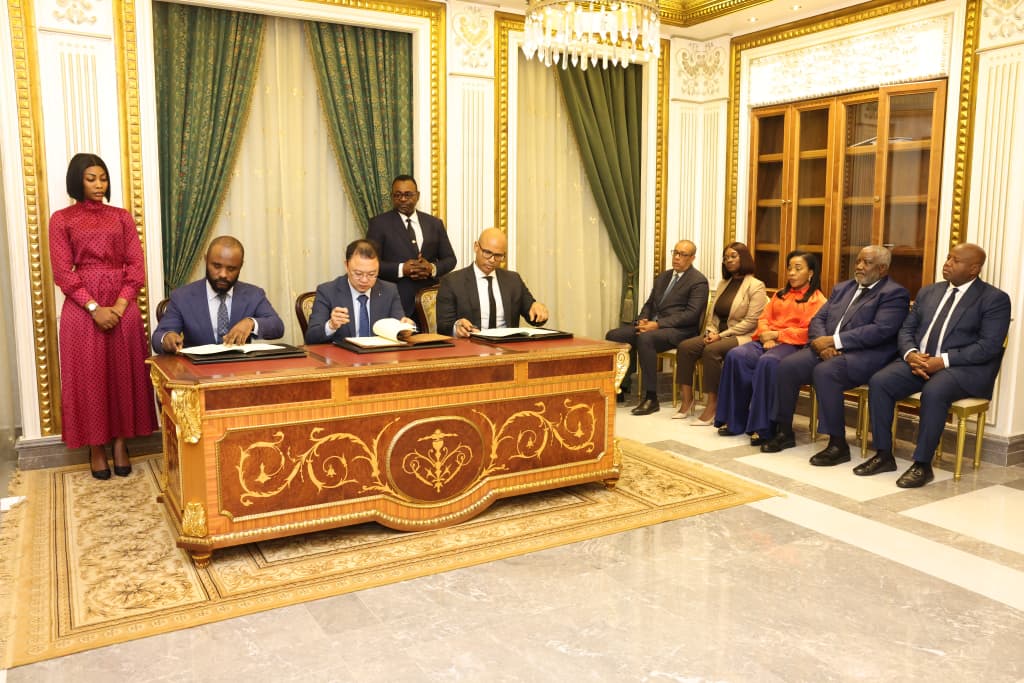
Equatorial Guinea has signed a $750 million investment agreement with Chinese companies China Machinery Engineering Corporation (CMEC) and Beijing Weineng Investment Co., Ltd. for the construction of a 500-megawatt-peak (MWp) solar photovoltaic power plant, marking a major step in the country’s efforts to expand electricity generation and accelerate its energy transition.
AfriLabs Partners with EYCONET to Expand Innovation Deal Room Across Algeria and North Africa
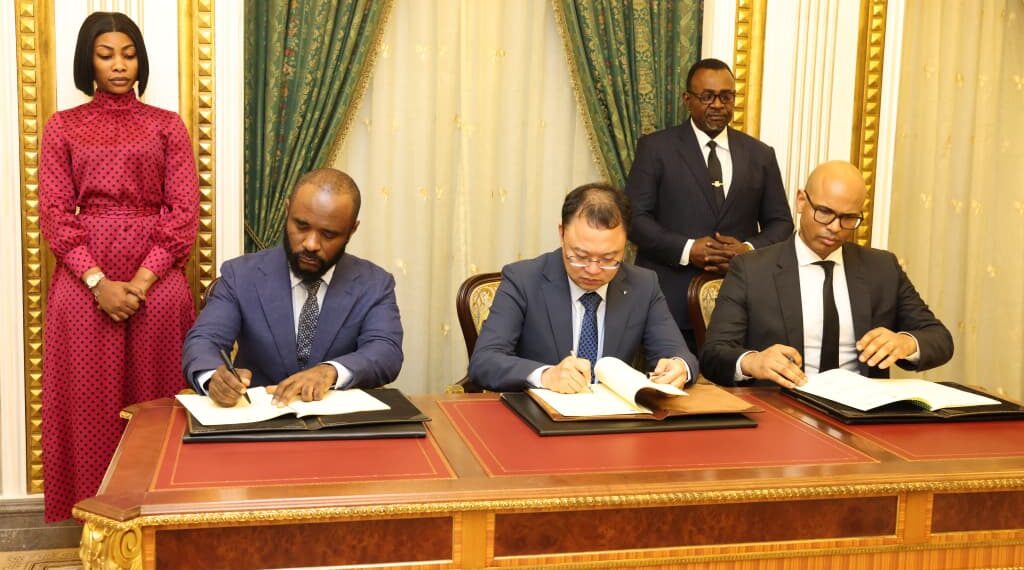
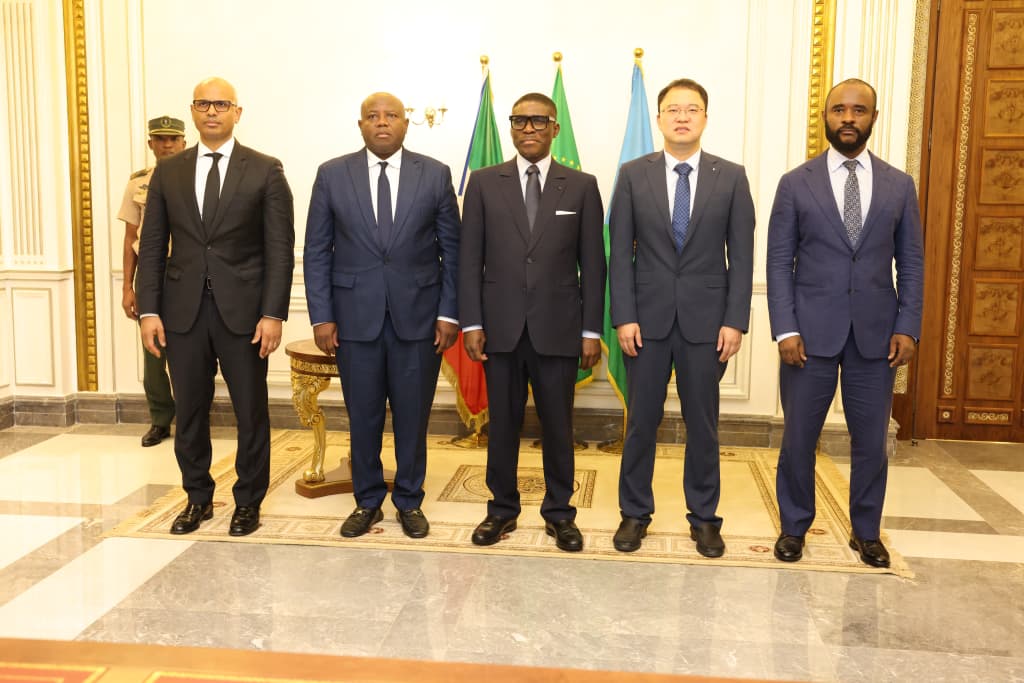
The agreement was signed on Wednesday, November 4, in Malabo during a ceremony presided over by the Vice President of the Republic, Nguema Obiang Mangue. The project represents a privately financed investment intended to double the country’s national electricity generation capacity while supporting industrial development, economic growth and diversification.
On behalf of the Equatorial Guinean Government, the agreement was signed by the Ministers responsible for Finance, Budget and National Planning, and Hydrocarbons, Mines and Electricity. The Chinese investment partners were represented by CMEC and Beijing Weineng Investment Co., Ltd.
Speaking at the signing ceremony, Vice President Nguema Obiang Mangue emphasized the strategic importance of the investment for the country’s economic transformation. He attributed the arrival of the project to government efforts to strengthen national stability, improve the business environment and establish favourable conditions for attracting foreign private capital.
He also welcomed the Chinese companies’ decision to invest in Equatorial Guinea, describing their choice as a recognition of the country’s institutional stability and efforts to create an attractive investment climate.
The project is expected to deliver significant employment opportunities, with more than 1,500 direct jobs anticipated during the construction phase and approximately 300 permanent positions once the solar facility becomes operational. Beyond employment generation, the agreement also includes technology transfer and professional training programmes aimed at developing the skills of young Equatorial Guineans.
These provisions are particularly important as the country seeks to strengthen its domestic technical capacity and ensure that major infrastructure investments generate lasting benefits for the local workforce.
With a planned capacity of 500 MWp, the solar facility is expected to contribute substantially to national electricity supply, providing additional energy resources to support industrial activities, businesses and households. Expanding reliable electricity generation is also considered essential to attracting new investments, improving productivity and creating the infrastructure needed for a more diversified economy.
The development reflects Equatorial Guinea’s broader ambition to move beyond its traditional dependence on hydrocarbons by investing in alternative energy sources and strengthening the foundations of sustainable economic growth.
For the Vice President, the agreement goes beyond the financial value of the investment, representing a strategic initiative with long-term implications for the country’s development trajectory. He described the project as one of the initiatives that could become part of Equatorial Guinea’s economic development history.
The partnership with CMEC and Beijing Weineng Investment Co., Ltd. therefore signals an important opportunity to deepen economic cooperation between Equatorial Guinea and China while positioning renewable energy as an increasingly important component of the country’s future development strategy.
As implementation progresses, the project’s success will depend not only on the timely delivery of the infrastructure but also on effective technology transfer, local workforce participation and the integration of the additional electricity capacity into the national power system.

If successfully delivered, the 500 MWp solar project could become a landmark investment in Equatorial Guinea’s energy landscape, strengthening electricity availability and supporting the country’s ambitions for industrialization, investment attraction and long-term economic diversification.