
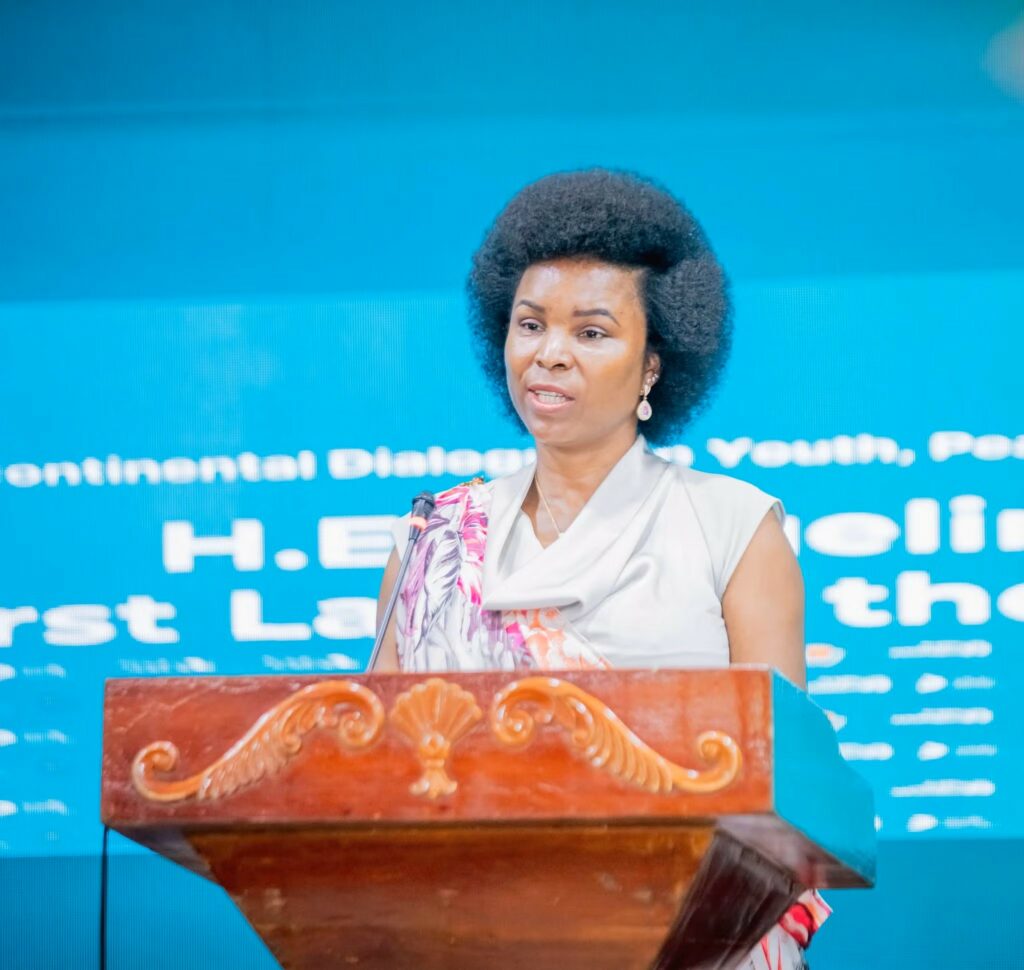
African women and young women are demanding a stronger role in shaping the peace and security decisions that affect their communities, with leaders and peacebuilding actors warning that sustainable peace cannot be achieved without their meaningful participation.
The call emerged from a high-level session held in Bujumbura on August 11 as part of the 5th Continental Dialogue on Youth, Peace and Security in Africa and the Women, Peace and Security Forum. The gathering brought together political leaders, women mediators, young leaders, women’s rights defenders and peacebuilding organizations to examine women’s participation in peace negotiations and access to justice.


AWIEF Announces Finalists for 2026 Africa Women Entrepreneurship Awards
First Lady of Burundi Angeline Ndayishimiye highlighted the role African women have played in conflict prevention, reconciliation, support for survivors and rebuilding social cohesion. Drawing on Burundi’s experience, she stressed that lasting peace requires continuous effort and must be strengthened across generations.
Ndayishimiye also called for experienced women peacebuilders to mentor younger women and create opportunities for them to enter decision-making spaces. Young women, meanwhile, were encouraged to take a more active role in peace processes and ensure that progress achieved by previous generations continues to expand.
Representing UN Women Executive Director Sima Bahous, UN Women Ethiopia Country Representative Jennet Kem emphasized that the debate has moved beyond whether women should participate in peace and security processes. The priority, she said, is now to turn commitments into measurable results for women and girls.
Twenty-five years after the adoption of UN Security Council Resolution 1325, which established the framework for women’s participation in peace and security, African countries have made progress. Thirty-six African Union member states have adopted National Action Plans on Women, Peace and Security, while networks including FemWise-Africa and the African Women Leaders Network continue to strengthen women’s mediation and leadership capacities.


Despite that progress, women remain significantly underrepresented in formal peace negotiations and decision-making structures. Young women face additional barriers to entering mediation, negotiation, leadership and post-conflict recovery processes.
The Bujumbura dialogue therefore placed intergenerational leadership at the center of the discussion. Participants stressed that the experience of established women peacebuilders should be connected with the ideas, innovation and energy of younger generations, creating pathways for young women to become mediators, negotiators and decision-makers rather than remaining only beneficiaries of peace initiatives.
Participants also called for stronger links between the Women, Peace and Security and Youth, Peace and Security agendas. Other priorities included improving women’s access to justice, investing in women’s economic empowerment, strengthening community-based conflict prevention and ensuring adequate resources and accountability for peacebuilding commitments.
The message from Bujumbura was that promises alone will not deliver inclusive peace. African women and young women need concrete opportunities, resources and institutional support to influence negotiations and decisions that shape the future of their communities.

As Africa continues to face complex peace and security challenges, giving women a meaningful place at the negotiating table is increasingly being framed not only as an issue of equality, but as a fundamental component of durable and inclusive peace across the continent.