
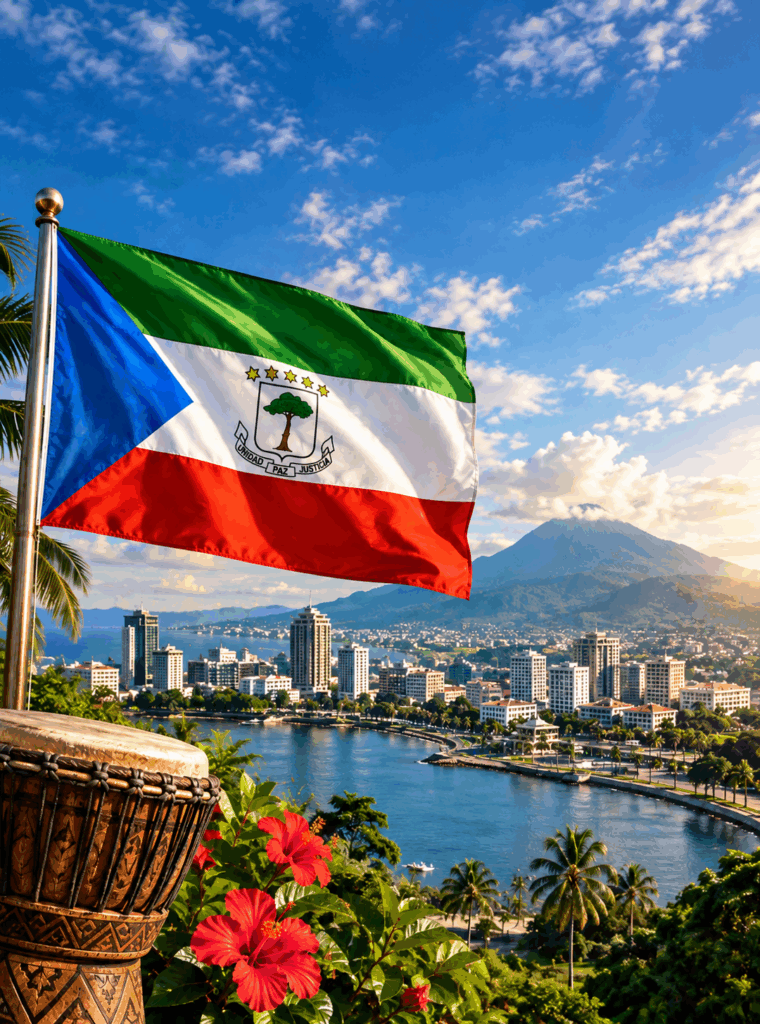
As Equatorial Guinea celebrates its independence on 12 October, the anniversary marks a defining moment in the nation’s history and an opportunity to reflect on Africa’s broader journey towards sovereignty, self-determination and sustainable development. Since gaining independence from Spain in 1968, Equatorial Guinea has continued to shape its national identity, strengthen its international presence and contribute to the continent’s evolving story.
For Equatorial Guinea and its people, this anniversary is more than a commemoration of a historic date. It is an occasion to honour previous generations, recognise the contributions of citizens at home and abroad, and renew the collective commitment to building a future in which national progress creates meaningful opportunities for all. It also serves as a reminder that the significance of independence extends beyond political freedom to encompass economic empowerment, human development, social well-being and the ability of African nations to determine their own development priorities.
As the nation marks its 58th anniversary in 2026, the occasion resonates with a wider Pan-African vision: an Africa that transforms its natural resources into shared prosperity, its youthful population into a driver of innovation, and its cultural diversity into a foundation for unity and international cooperation. Across the continent, sustainable progress increasingly depends on strengthening institutions, investing in people, expanding productive capacity and creating economic opportunities that benefit communities across national borders.
Under the leadership of President Teodoro Obiang Nguema Mbasogo, national sovereignty and development remain central themes of Equatorial Guinea’s public agenda. The proclamation of Ciudad de La Paz as the country’s national capital in January 2026 also represents a significant development in the nation’s institutional and territorial vision. As this transition advances, its long-term significance will be measured by its contribution to effective governance, economic activity, infrastructure development and improved opportunities for the population.
Realising these ambitions requires sustained investment in people. Education, technical and vocational training, digital skills, entrepreneurship and access to employment are essential to preparing Equatorial Guinea’s workforce for opportunities emerging across Africa and the global economy. The country has potential across sectors including energy, agriculture, construction, healthcare, tourism, logistics and digital services. Strengthening these industries while encouraging economic diversification can support greater resilience, stimulate local enterprise and expand employment opportunities.
Young Africans, in particular, represent one of the continent’s greatest sources of potential. Their creativity, professional skills, entrepreneurial ideas and capacity to adapt to technological change will help shape Africa’s future competitiveness. Ensuring that young people have access to practical training, decent employment, business opportunities and professional networks is therefore essential to translating the ideals of independence into tangible progress. Women entrepreneurs, small and medium-sized enterprises, skilled professionals and members of the African diaspora also have important roles to play in developing productive economies and strengthening cooperation across the continent.
Equatorial Guinea’s independence anniversary also provides an opportunity to reaffirm the importance of Pan-African solidarity and regional economic integration. The African Continental Free Trade Area offers a framework for expanding intra-African trade, developing regional value chains and enabling African businesses to reach new markets. By strengthening partnerships, exchanging knowledge and investing in productive industries, African countries can work towards reducing economic fragmentation and retaining a greater share of the value generated from the continent’s resources and expertise.
For Equatorial Guinea, deeper engagement with regional markets presents opportunities to develop professional services, strengthen local enterprises, encourage entrepreneurship and build partnerships with other African economies. More broadly, the country’s development journey forms part of the continent’s continuing effort to move beyond dependence on raw materials towards more diversified economic activity, local value creation and sustainable job creation.
The meaning of independence, therefore, lies not only in the historical achievement of sovereignty but also in the opportunities that sovereignty makes possible. It is reflected in the ability of citizens to build businesses, access quality education, develop their talents and participate meaningfully in their country’s economic and social progress. It is also reflected in the strength of national institutions, the confidence of younger generations and the capacity of a country to build partnerships while maintaining control over its development priorities.
As Equatorial Guinea celebrates this important national milestone, its anniversary offers an opportunity to look ahead with confidence, ambition and a renewed commitment to collective progress. The country’s future, like that of Africa as a whole, will depend on the ability to translate aspirations into practical results, natural wealth into lasting prosperity, and national sovereignty into opportunities that reach every generation.
For Africanian News, this anniversary is an occasion to extend warm congratulations to the Government and people of the Republic of Equatorial Guinea. May the celebration of independence strengthen national pride, inspire continued progress and reaffirm the enduring Pan-African conviction that the future of the continent will be shaped by its people, their ingenuity and their shared determination to build a more prosperous, peaceful and united Africa.
Ecobank Opens New Beijing Office to Boost Africa-China Trade