
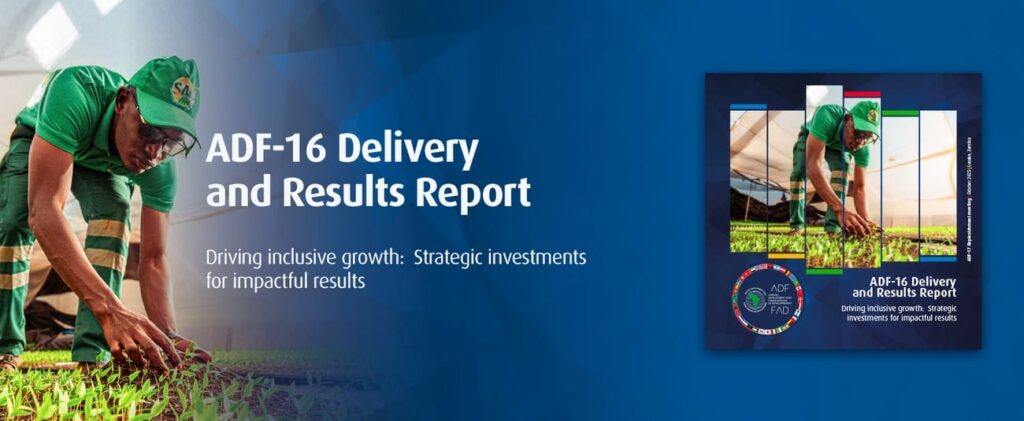
Amid global economic turbulence, Africa is showing tangible signs of progress. In 2024, 1.2 million people saw improved health services, while more than 520,000 farmers received climate-resilient technologies. Additionally, 24,403 agribusinesses, 8,380 of them led by women, were supported, creating economic opportunities in local communities.
The employment impact is also significant: 115,564 direct jobs and 449,224 indirect jobs were created or supported, including over 290,000 positions for young people aged 15 to 35.
Zambia bets on self-sufficiency: fertilizers and education drive economic growth
Investments Transforming Communities
The Mission 300 initiative, which aims to bring electricity to 300 million Africans by 2030, highlights the growing emphasis on essential infrastructure. More than $55 billion has been committed by international financial institutions and strategic partners to achieve this goal, a critical driver for industrialization and digital development across the continent.
At the same time, climate action is taking center stage. The Climate Action Window mobilized $442 million, and 99% of new projects incorporate climate resilience measures, ensuring economic growth does not compromise environmental sustainability.
Youth, Gender Equity, and Tangible Results
Empowering women and youth remains a key priority. Today, nearly all new projects include gender equality components, and investments targeting youth aim to turn Africa’s demographic potential into productive capital, generating employment and fostering local innovation.
Although the African Development Fund is behind these investments, the real protagonist is the continent and its people. Each figure represents transformed lives: electrified homes, roads connecting local economies, farmers adopting climate-smart technologies, and young people gaining employment and opportunities.

“This is a decisive moment for Africa,” said Sidi Ould Tah, president of the group managing the Fund, emphasizing that the key lies in turning investment into tangible impact.
The results come from the ADF-16 Delivery and Results Report, which evaluates investments across 37 African countries. Beyond reporting to financial institutions, the report provides a real map of progress, showing where capital translates into access to basic services, jobs, and economic resilience.
Despite facing global and local challenges, Africa demonstrates that numbers can tell stories of success, and that strategic investments are beginning to transform lives across the continent.