
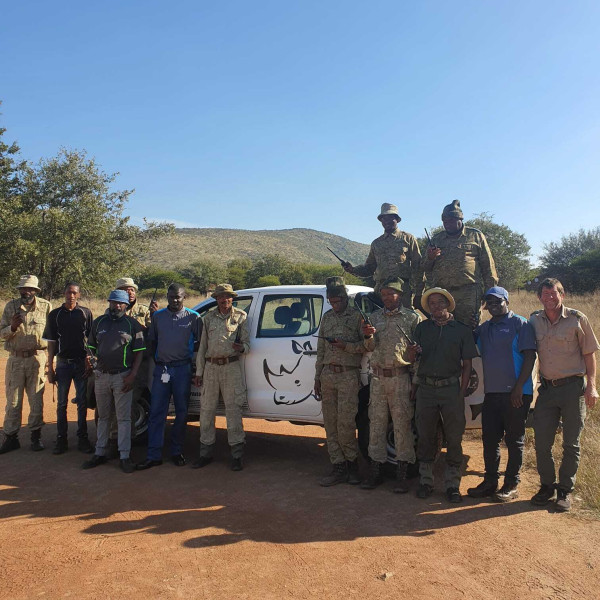
In the vast landscape of northwestern South Africa, the Pilanesberg Game Reserve stretches over 56,000 hectares, home to a unique diversity of species, including the iconic Big Five: lions, elephants, rhinoceroses, leopards, and buffaloes. This reserve is not only a sanctuary for these animals but also a vital stronghold for the conservation of the white rhinoceros, a species threatened by the increasing menace of poaching.
For years, Pilanesberg’s rangers faced significant challenges coordinating in the field. Equipped with outdated analog radios, communication was especially difficult in the reserve’s mountainous areas, where signal loss was frequent. This lack of coverage during critical moments not only hindered effective monitoring but also jeopardized the safety of the personnel responsible for protecting the wildlife.
In China, sports drive markets: The Su Chao league powers the local economy
The solution came with the implementation of an advanced digital communication network. This innovative system includes interconnected repeaters that ensure full coverage throughout the reserve. Each ranger now carries a radio with integrated GPS and access to real-time monitoring software located at a strategic control center. This technological infrastructure can automatically detect if a ranger has fallen or stopped moving, triggering immediate alerts and pinpointing their exact location. Additionally, the radios feature an emergency button to request help instantly, increasing the ability to respond quickly to any incident.
The system not only enhances safety but also facilitates operational management of patrols. The routes and movements of personnel are recorded and analyzed, helping identify vulnerable areas and optimize surveillance strategies. These data, protected by robust cybersecurity measures, enable intelligent planning that maximizes the effectiveness of the fight against poaching.

To ensure maximum benefit from this technology, the team has received specialized training, guaranteeing proper handling and integration of this tool into their daily conservation work. The impact of this innovation goes beyond Pilanesberg’s borders. Other renowned reserves like Kruger and Timbavati have shown interest in replicating the model, aware that technology can make a difference in preserving Africa’s wildlife. In a continent where biodiversity faces constant threats, technological advances have become an essential ally in protecting natural treasures. Steve Dell, ecologist and coordinator of the anti-poaching team, summarizes the project’s importance: “Without secure and effective communication, our work would be compromised. This technology allows us to act swiftly, safeguarding both our team and the animals we protect.”
Pilanesberg demonstrates that combining tradition and technology can open a new chapter in global conservation. African wildlife depends not only on human will but also on tools that allow intelligent and efficient protection.