
Forbes’ 2025 list of the world’s 100 most powerful women arrives at a moment of growing contradiction. While women continue to reach historic leadership positions, momentum toward workplace equality is weakening globally. In the United States alone, nearly half a million women left their jobs between January and October 2025, marking one of the sharpest declines in female workforce participation on record. Studies from McKinsey and Lean In show that only 54 percent of companies now prioritise promoting women into leadership roles, a steep fall from four years ago, while the United Nations warns that online sexism is increasingly shaping professional environments.
G20 Summit on African Soil Ignites a New Electric Vehicle Era for the Continent
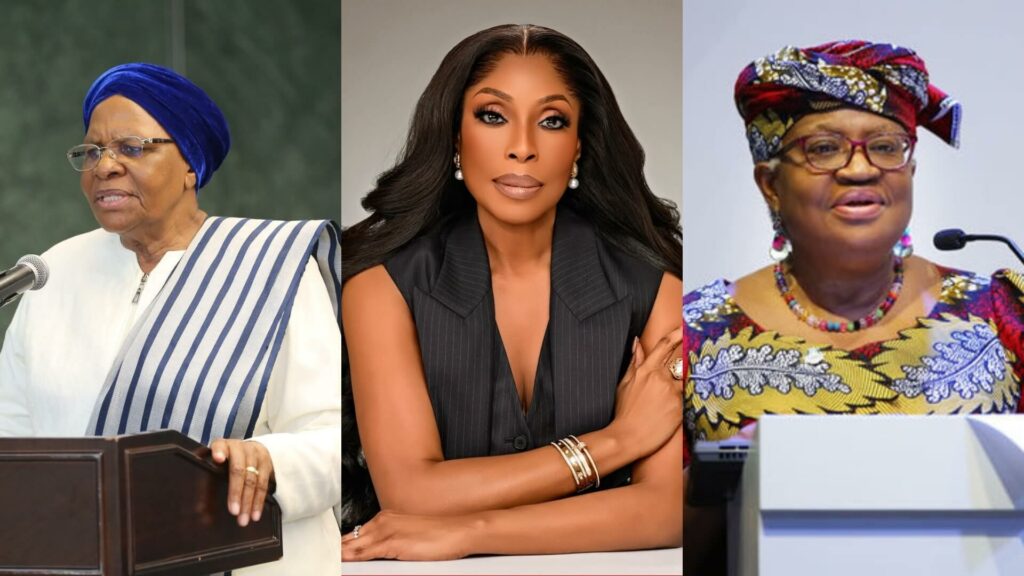
Against this backdrop, Africa stands out for a different reason. Across politics, finance, trade and media, African women are not retreating from leadership but redefining it. Forbes highlighted six African women whose influence extends well beyond national borders, signalling the continent’s growing role in shaping global power structures.
In South Africa, Mary Vilakazi made history as the first woman and first Black woman to lead FirstRand Group, the country’s largest financial-services firm by market value. A chartered accountant who became one of PwC’s youngest partners before rising through senior finance roles, her appointment marks a milestone in African corporate leadership.
Political leadership also reached new ground in the Democratic Republic of Congo, where Judith Suminwa Tuluka became the country’s first female prime minister in 2024. With a background in economics and international development, her rise reflects a broader shift toward technocratic governance in one of Africa’s most complex political landscapes.
Namibia added to this momentum in March 2025 when Netumbo Nandi-Ndaitwah was sworn in as the country’s first female president. A veteran policymaker, her early focus on fiscal discipline and national reform underscores women’s growing influence in shaping macroeconomic agendas across the continent. Corporate Africa is equally represented through Mpumi Madisa, the first Black woman to lead a top-40 Johannesburg Stock Exchange-listed company. As CEO of Bidvest, she oversees a global group employing around 130,000 people, demonstrating the scale at which African women now operate in international business.
On the global stage, Nigeria’s Ngozi Okonjo-Iweala continues to wield rare influence as Director-General of the World Trade Organization. Reappointed for a second term in 2024, she remains a central figure in shaping global trade governance at a time of geopolitical and economic uncertainty.Rounding out the list is Mo Abudu, whose media empire has transformed African storytelling into a global export. Through EbonyLife Media and the newly launched US$50 million Afro Film Fund, she is building financial and creative infrastructure to ensure African narratives compete on the world stage.
Together, these women reflect a broader truth. While global indicators point to setbacks for women in leadership, Africa’s power figures tell a more assertive story one of resilience, expansion and rising continental confidence in shaping the future of business, politics and culture worldwide.