
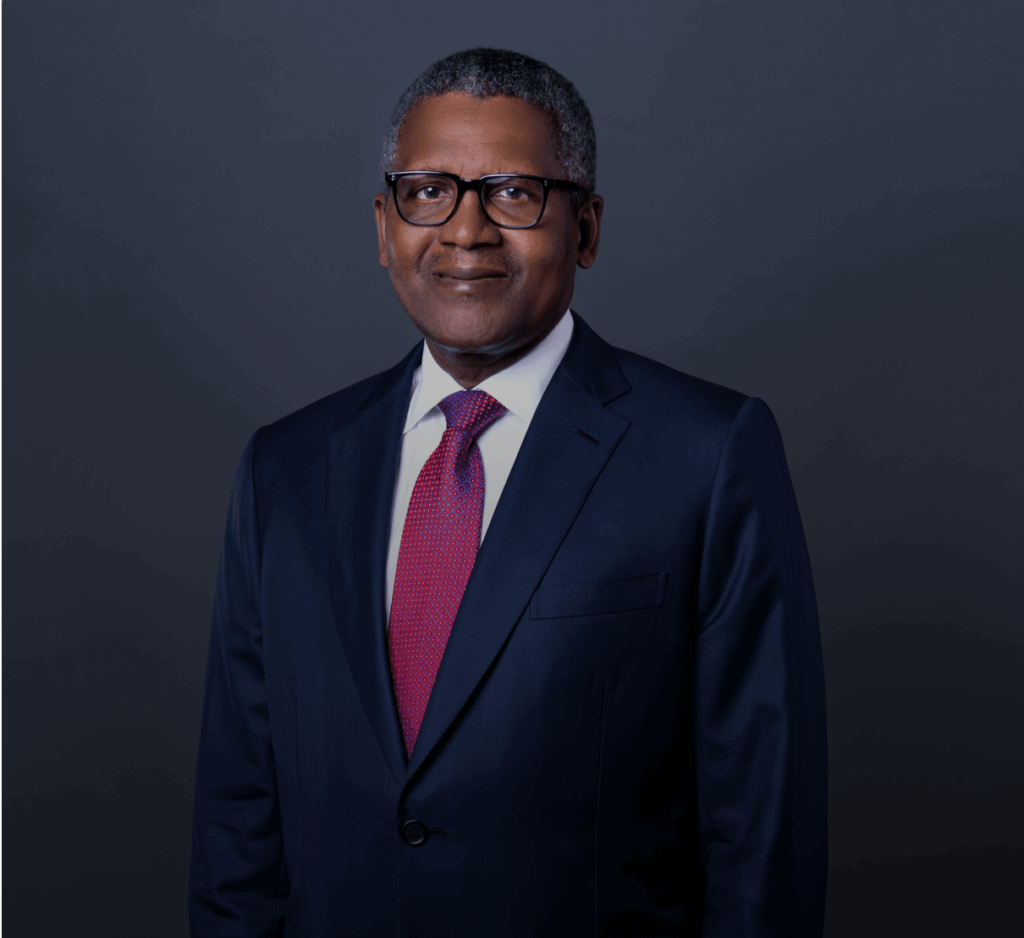
Nigerian industrialist Aliko Dangote has been named African Energy Person of the Year 2026 by the African Energy Chamber, with the award highlighting his investments in refining, energy infrastructure, manufacturing and industrial development across Africa.
The recognition comes as Dangote’s business group continues to expand its role in Africa’s energy and industrial landscape, particularly through the Dangote Petroleum Refinery in Lagos and new investments planned elsewhere on the continent.
The African Energy Chamber said the annual award recognises individuals who contribute to Africa’s energy security, infrastructure, local content, economic resilience and development. In Dangote’s case, the chamber pointed to his investments in industries designed to increase production capacity and reduce dependence on imported finished products.
Southern Africa Moves to Strengthen Local Pharmaceutical Manufacturing and Health Security
Dangote’s business career began in trading before expanding into sectors including cement, sugar, salt, flour and fertilizer. His Dangote Group has subsequently developed into one of Africa’s largest industrial conglomerates, with operations spanning manufacturing, infrastructure, agriculture, energy and other sectors.
A central part of that industrial strategy has been increasing the amount of processing and manufacturing that takes place within Africa. The approach has included investments in production facilities, logistics, raw-material processing and supporting infrastructure intended to strengthen domestic and regional supply chains.
The Dangote Petroleum Refinery has become the most prominent example of that strategy in the energy sector. Located in Lekki, near Lagos, the refinery currently has a processing capacity of about 700,000 barrels per day, according to the company. Its integrated complex includes petroleum refining, petrochemicals, storage, marine infrastructure and logistics.
The refinery has also entered a new phase of expansion. Dangote Industries has announced plans to increase capacity to approximately 1.4 million barrels per day, with the expansion targeted for 2029. Engineering work is substantially advanced and equipment orders and major contracts have already been put in place, according to company executives.
The project is also entering Nigeria’s capital markets. The Dangote Petroleum Refinery and Petrochemicals FZE public offering opened on September 14, offering 4.1 billion ordinary shares at ₦525 each. The offer is scheduled to close on October 13 and could raise approximately ₦2.15 trillion if fully subscribed.
The refinery’s expansion and public offering come as Nigeria seeks to strengthen domestic refining and reduce its exposure to imported petroleum products. The facility has also begun supplying refined products to international markets, giving Nigeria a larger role in regional petroleum trade.
Dangote’s energy ambitions are extending beyond Nigeria as well. The group is developing plans for a 700,000-barrel-per-day refinery in Kenya, marking a significant expansion of its refining strategy into East Africa. The project is expected to serve both regional and international markets.
The wider industrial strategy is complemented by Dangote’s philanthropic work through the Aliko Dangote Foundation, which supports programmes in areas including health, nutrition, education, emergency relief and economic opportunity.
The foundation has worked with governments, international organisations and other private-sector and philanthropic partners on initiatives including Nigeria’s polio-eradication campaign, nutrition programmes and emergency responses.

Together, Dangote’s industrial and philanthropic activities have made him a prominent figure in discussions about African manufacturing, energy security, private investment and economic development.
The African Energy Chamber’s 2026 recognition places that record within the continent’s wider energy transformation, at a time when African countries are seeking greater refining capacity, stronger energy infrastructure, expanded industrial production and more integrated regional markets.