
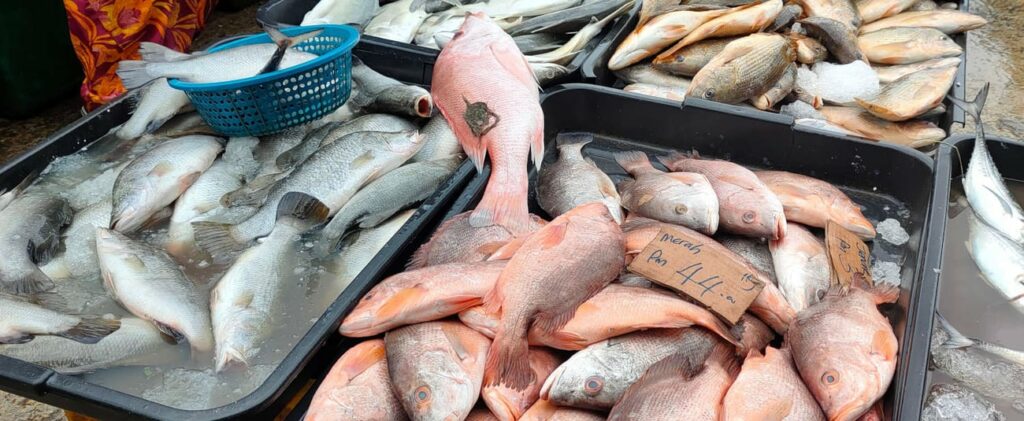
São Tomé and Príncipe has secured a $22 million grant from the African Development Bank Group to advance the development of its blue economy and modernize critical fisheries infrastructure across the archipelago. The financing, provided through the African Development Fund and the Transition Support Facility Prevention Window, will support the Blue Economy and Fisheries Infrastructure Rehabilitation and Maintenance Project, a national initiative designed to improve food security, strengthen livelihoods and expand economic opportunities linked to the country’s maritime resources.
The project will directly benefit around 30,000 people involved in fishing, processing and fish trading, while indirectly supporting an estimated 100,000 citizens through increased fish availability, improved market access and stronger value chains. Fisheries play a central role in São Tomé and Príncipe’s economy and food system, but the sector has faced persistent challenges, including aging port infrastructure, high post harvest losses and growing climate risks. The new investment aims to address these constraints through a coordinated program of infrastructure rehabilitation, fleet modernization and capacity building.
Key components include the rehabilitation of three multipurpose fishing ports in Neves and Porto Alegre on São Tomé Island and Chimaelo on Príncipe Island, as well as disaster risk management support for Port San Antonio Praia. These facilities are essential for connecting coastal communities to domestic markets and supporting maritime activity across the islands.The project will also introduce 400 climate resilient fiberglass fishing vessels to replace wooden canoes, improving safety, efficiency and sustainability in artisanal fisheries while reducing pressure on forest resources.
To reduce post harvest losses, the initiative will strengthen cold chain capacity through refurbished cold storage facilities and refrigerated transport, improving the quality and shelf life of fish products and supporting more stable supply to urban markets.Annual fish production is expected to increase significantly, while post harvest losses are projected to decline. Household incomes among fishers and value chain actors are also expected to rise as productivity and market access improve. Social inclusion is embedded in the project design, with at least half of training activities targeting women and young people. Support will focus on strengthening cooperatives, promoting women led enterprises and creating opportunities for youth in fisheries related services and maritime activities.

The initiative aligns with São Tomé and Príncipe’s Vision 2030 and the 2023 to 2027 National Development Plan, which identify the blue economy as a strategic driver of economic diversification, employment and poverty reduction. Fish remains a key source of nutrition in the country, with consumption levels among the highest in Central Africa.
Implementation will take place between 2026 and 2030 under the Ministry of Economy and Finance through the Blue Economy Directorate and the Satellite Intelligence Unit. Long term sustainability will be supported through a revolving fund mechanism, public private partnerships and targeted training in infrastructure maintenance and fisheries management. With an Exclusive Economic Zone of nearly 165,000 square kilometers, São Tomé and Príncipe has significant potential to expand its sustainable ocean economy. The project represents a step toward translating that potential into durable growth, improved food security and greater economic resilience.