
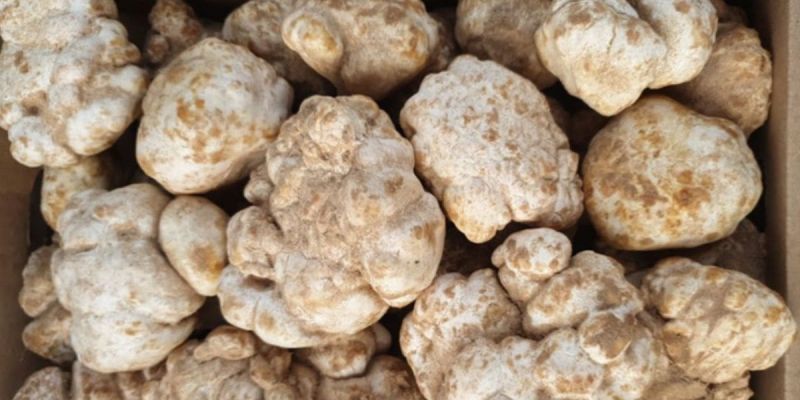
Algeria is pioneering a new chapter in desert agriculture, transforming its vast Sahara region into a productive hub for cultivating desert truffles, a prized wild fungus long tied to seasonal rainfall. Traditionally, desert truffles valued for their cultural and nutritional significance could only be harvested after rare desert rains. Their unpredictable growth made them a seasonal delicacy, limiting both supply and commercial potential.
Liquid Appoints New CEO to Lead Zambia Growth and Digital Expansion
Today, that reality is rapidly changing. Through the adoption of modern irrigation techniques, farmers in southern Algeria are now able to cultivate desert truffles throughout the year, marking a significant shift in how agriculture is practiced in arid environments.
At the center of this transformation is the use of advanced irrigation systems, particularly center-pivot technology, which allows for precise water distribution across large desert plots. These systems, combined with improved soil management, have enabled farmers to replicate the natural conditions required for truffle growth.
Equally important is the use of symbiotic planting methods. Desert truffles naturally grow in association with specific desert النباتات, and farmers are now deliberately cultivating these host plants alongside truffles to enhance productivity. This ecological approach not only boosts yields but also maintains the organic quality of the crop.
The result is the emergence of a high-value agricultural product that can be cultivated sustainably in one of the world’s harshest climates. By turning previously unproductive land into thriving truffle farms, Algeria is demonstrating how innovation can unlock new economic opportunities in desert regions.
Beyond local consumption, desert truffles hold strong potential for export markets, where demand for organic and specialty foods continues to rise. This positions Algeria to diversify its agricultural economy while reducing dependence on traditional sectors.

Experts say the success of desert truffle farming could serve as a model for other arid regions across Africa and the Middle East, where climate challenges have long limited agricultural productivity. By combining technology with traditional ecological knowledge, Algeria is redefining what is possible in desert farming. As the Sahara begins to yield new forms of agricultural value, desert truffles are emerging not only as a cultural delicacy but also as a symbol of innovation, resilience, and economic transformation.