
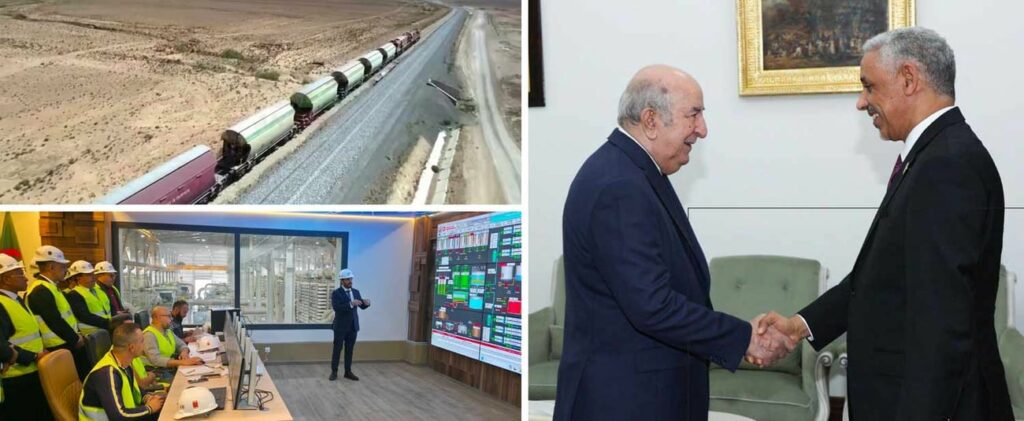
Algeria is accelerating its economic transformation with an ambition rarely seen in Africa. Using the 2025 Finance Law as a launchpad, the country has implemented a comprehensive development plan reshaping its relationship with territory, natural resources, and the continent. The goal is no longer mere growth—it is modern, connected, and self-sufficient industrial development that generates value locally.
At the forefront of this drive is the ambitious Laghouat-Ghardaïa-El Meniaa railway, a 495-kilometer corridor costing $2.8 billion. Far more than an infrastructure project, it marks the beginning of a Sahara-spanning backbone reaching Tamanrasset and, eventually, Niger. Algeria aims to connect its Mediterranean north with the deep south, opening a new logistics corridor that will also benefit landlocked Sahel countries. What was once a geographic boundary is now a highway of opportunity.
Ghana transforms its agriculture thanks to Joshua Toatoba’s Model
This project is part of a national plan to double the country’s railway network to 10,000 kilometers by 2030. Algeria has already demonstrated technical prowess, building 950 kilometers of track in just two years using exclusively domestic capabilities. This rapid execution illustrates how the country is moving from planning to tangible transformation. The railway is only one pillar of a broader strategy. Algeria is redefining its approach to natural resources. “We can no longer export raw materials without processing them,” said Minister of Hydrocarbons and Mines Mohamed Arkab. The next decade aims to increase local hydrocarbon processing from 30% to 60% by 2035, expand petrochemicals, develop hydrogen, modernize fertilizer production, and turn Sahara deposits of iron, zinc, gold, and rare earths into industrial engines rather than mere export reserves.

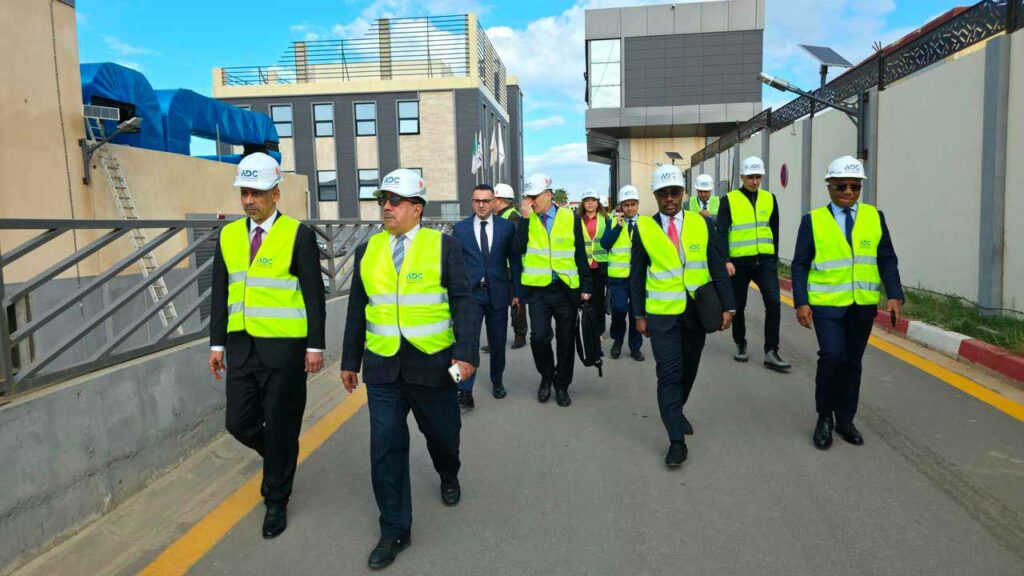
Connecting these resources to industrial zones underscores the critical role of the Trans-Saharan Railway. Unlike other nations reliant on foreign partners for each segment, Algeria has invested in domestic capacity, engineers, and homegrown solutions. This alignment of ambition and autonomy forms the backbone of its new economic narrative.
Modernization also prioritizes water security. After years of drought stressing the Mediterranean, Algeria has scaled up desalination efforts: 19 plants are already operational, with five more slated by 2027. The goal is for 60% of national water to come from the sea by 2030, positioning Algeria as a regional benchmark in sustainable water management. Energy is another area where Algeria sets itself apart. The country supplies LPG to 75% of households, including the most remote desert areas, through a locally built distribution network. This model is increasingly cited in African debates on energy transition and universal access to clean solutions.

In this context of ambition and proven capacity, Algeria has partnered with the African Development Bank for external financing. During a recent visit, the bank’s president, Sidi Ould Tah, highlighted the country’s technical strength and long-term vision, a combination placing Algeria at the center of continental transformation. Yet, by design, Algeria retains the lead role: it sets the course, executes the projects, and aims to turn its resources, territory, and talent into a new African economic story.