
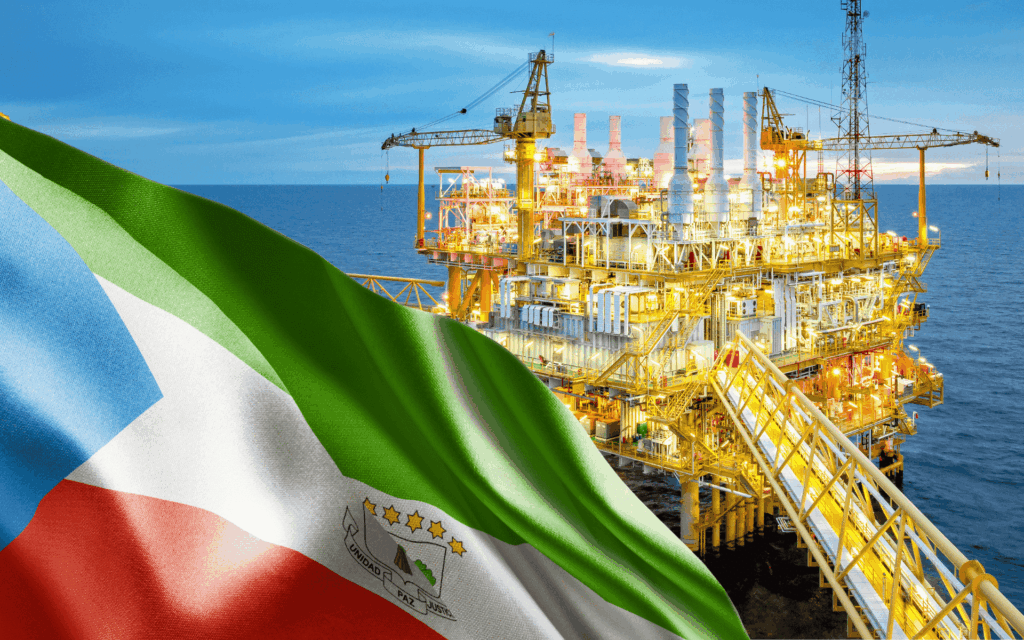
Equatorial Guinea is accelerating its transformation into a regional gas hub, supported by a wave of new agreements, strategic partnerships and the effective use of existing infrastructure. The country’s evolving energy model is increasingly seen as a practical and efficient pathway to unlocking value from both domestic and regional gas resources across Central Africa and beyond.
This progress will be highlighted at the Invest in African Energy Forum in Paris, where the Minister of Mines and Hydrocarbons, Antonio Oburu Ondo, is expected to present the country’s vision during a dedicated session. The forum will bring together policymakers and industry leaders, offering a platform to showcase Equatorial Guinea’s investment potential and expanding role in the regional energy market.
Recent developments underscore the country’s momentum. In February, Equatorial Guinea and Cameroon signed a unitization agreement to jointly develop the cross-border Yoyo-Yolanda gas fields, estimated to hold around 2.5 trillion cubic feet of gas. The project is expected to supply the Punta Europa complex, reinforcing the country’s position as a processing and export hub while maximizing existing infrastructure.
At the same time, a new agreement with Chevron to expand the Aseng gas project has strengthened domestic capacity. The increase in GEPetrol’s stake to more than 30 percent is expected to enhance national participation while ensuring a steady supply of gas for downstream processing.
Rather than investing in costly new liquefied natural gas developments, Equatorial Guinea is focusing on aggregating gas from multiple sources and channeling it through its established infrastructure. At the center of this strategy is the Punta Europa complex on Bioko Island, one of the most advanced gas processing facilities in sub-Saharan Africa, with existing liquefied natural gas, methanol and liquefied petroleum gas operations.
The Gas Mega Hub initiative offers a flexible and cost-effective model, enabling the country to process third-party gas from neighboring producers such as Cameroon and potentially Nigeria. This approach reduces investment risk while opening opportunities across transportation, processing and downstream industries.
Government support has played a key role in driving this transition. The Ministry of Mines and Hydrocarbons has prioritized regulatory alignment and cross-border cooperation, creating an environment that encourages investment and strengthens regional integration.
For investors, the upcoming forum in Paris represents a timely opportunity to engage directly with decision-makers and industry operators shaping the sector. The participation of both public and private stakeholders reflects growing confidence in Equatorial Guinea’s strategy and its ability to deliver results. With a clear vision, strong infrastructure and expanding partnerships, Equatorial Guinea is positioning itself as a key hub for gas development in Central Africa while extending its influence across the wider region.