
Thailand and Nigeria have signed a new Memorandum of Understanding (MoU) aimed at expanding capacity building in agriculture and fisheries, with a focus on human resource development, knowledge exchange and technology transfer.
Africa Expands Its Global University Footprint as UCT Returns to Top 150
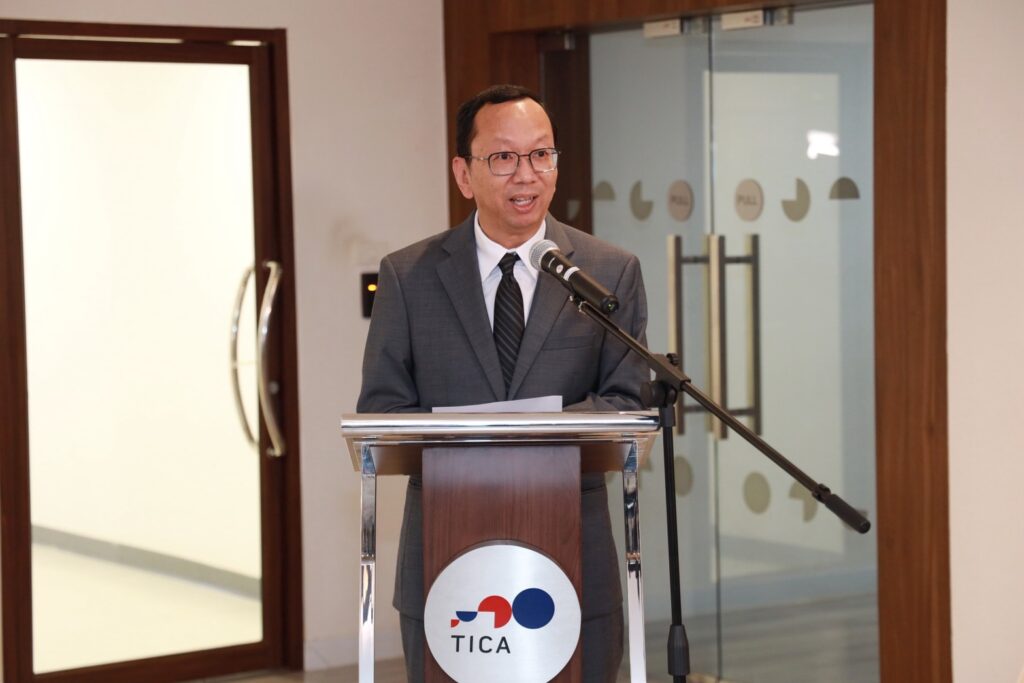
The agreement was signed on September 25 in Bangkok by Chulvat Narinthrangura, Director-General of the Thailand International Cooperation Agency (TICA), and Associate Professor Dr. Kongsak Thiangtum, President of Kasetsart University. Representatives from Thailand’s Department of South Asian, Middle East and African Affairs and Kasetsart University attended the signing ceremony.
The MoU establishes a framework for Thailand to share agricultural and fisheries expertise and practical experience with Nigeria. Cooperation will include training and human resource development, the transfer of knowledge and technology, and the sharing of Thailand’s practices in agricultural and fisheries development.
According to Thailand’s Ministry of Foreign Affairs, the partnership is intended to support Nigeria’s efforts toward greater self-reliance and long-term food security, guided by the principles of Thailand’s Sufficiency Economy Philosophy.
Nigeria’s large population and significant economic potential make agriculture and fisheries important sectors for employment, livelihoods and food production. Strengthening technical capacity and access to relevant technologies can contribute to the development of these sectors while supporting broader food-security objectives.
The partnership also reflects Thailand’s growing cooperation with African countries. During the discussions, the two sides explored opportunities to advance the Thailand–Africa Initiative (TAI) and potentially extend similar cooperation to other African countries in the coming years.

The agreement brings together Thailand’s agricultural and fisheries expertise with Nigeria’s development priorities, creating a framework for continued institutional cooperation, training and knowledge exchange.For Nigeria, the initiative provides an additional avenue for accessing international experience and technical knowledge as it works to strengthen agricultural productivity, fisheries development and food-system resilience.