
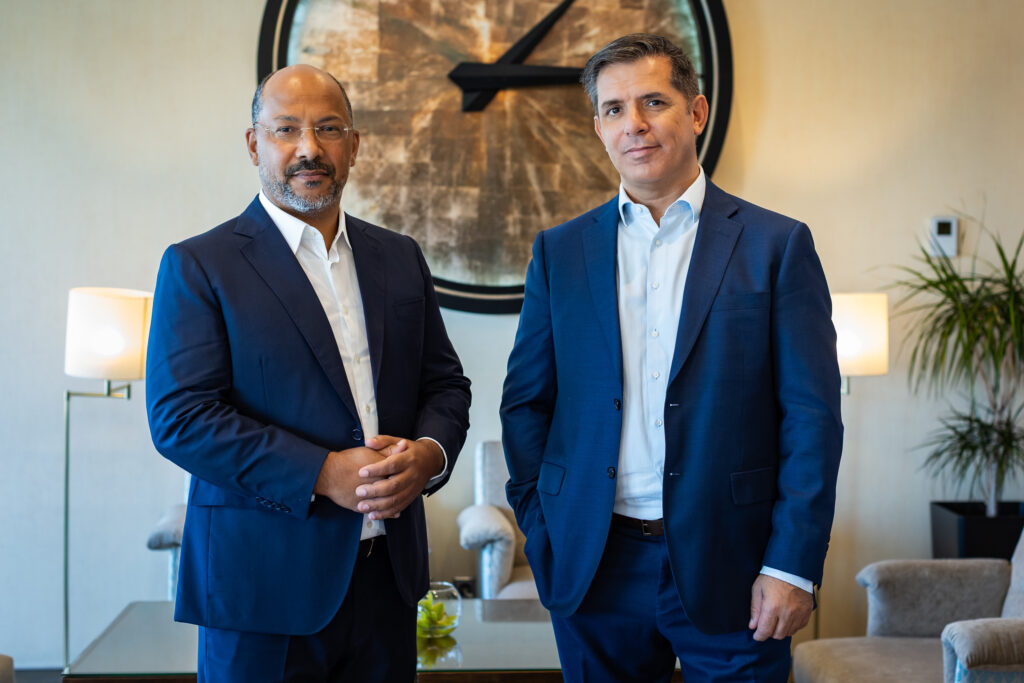
Africa’s growing sports economy is gaining a new development platform as African Collaborations Group (ACG) appoints Paulo J. Cruz as its Founding Chief Executive Officer, placing large-scale sports and entertainment infrastructure at the centre of its pan-African expansion strategy.
Cruz joins ACG after serving as Senior Vice President at DAMAC Group from 2022 to 2026. His appointment brings nearly three decades of experience in infrastructure development, urbanisation strategy, real estate and project structuring to a platform focused on transforming sports facilities into broader economic ecosystems.
Uganda Health Workers Bring Care to Women in Karamoja
During his 28-year career, Cruz has worked on projects ranging from approximately $50 million to more than $5 billion, taking developments from early concepts and feasibility studies through financial structuring, investor alignment and delivery. His professional experience includes senior positions at BP, BlackIvy Group, Movares and Cushman & Wakefield.
Before joining DAMAC, Cruz served as Group Chief Executive Officer of LandAfrique, a pan-African development platform involved in industrial parks, infrastructure, housing and power projects across Sub-Saharan Africa.
At ACG, his mandate will centre on building a pan-African project-origination platform that works with governments, development finance institutions, investors, sports organisations, entertainment stakeholders and academic institutions.
The objective is to develop sports and entertainment districts that go beyond individual stadiums or event venues. ACG’s approach is designed to combine sporting facilities with commercial, entertainment, hospitality and other supporting infrastructure capable of generating economic activity throughout the year.
Its flagship initiative, Victory District™, provides the framework for these developments. The model focuses on increasing asset utilisation, diversifying revenues beyond matchdays, creating employment and youth opportunities, developing talent and establishing professional standards for operations and maintenance.
For African cities, such an approach could connect sports infrastructure with wider urban development and investment strategies. Well-planned districts can create spaces for athletes and teams while also supporting events, businesses, entertainment, tourism and surrounding economic activity.
Cruz said infrastructure is fundamental to building a sustainable sports economy because athletes require training and competition facilities, governing bodies need venues that meet international standards, and broadcasters, sponsors and event organisers require infrastructure capable of supporting commercial activity.
ACG’s leadership structure also includes an Advisory Board featuring figures with experience across global sport, finance, infrastructure and development. Its members include former FIFA Secretary General Fatma Samoura, former FIFA Chief Member Associations Officer Kenny Jean-Marie, Rugby Africa President and World Rugby Executive Board Member Herbert Mensah, and World Football Summit Co-Founder and Managing Director Jan Alessie.
The organisation has also established a Research & Impact Advisory Panel bringing together scholars examining the economics, governance and wider societal impact of sport.
.

ACG Founder and Executive Chairman Nicolas Pompigne-Mognard said Cruz brings extensive project-origination experience and continental knowledge to the organisation’s next phase.
Cruz’s appointment comes as African countries continue to explore ways of developing sports beyond competition and into broader sectors of the economy. From youth development and employment to tourism, entertainment, infrastructure and investment, the growing sports industry is creating opportunities for more integrated development models.
Through its district approach, ACG aims to position sports and entertainment infrastructure as part of Africa’s wider urban and economic development landscape, with projects designed around long-term utilisation, investment sustainability and measurable economic impact