
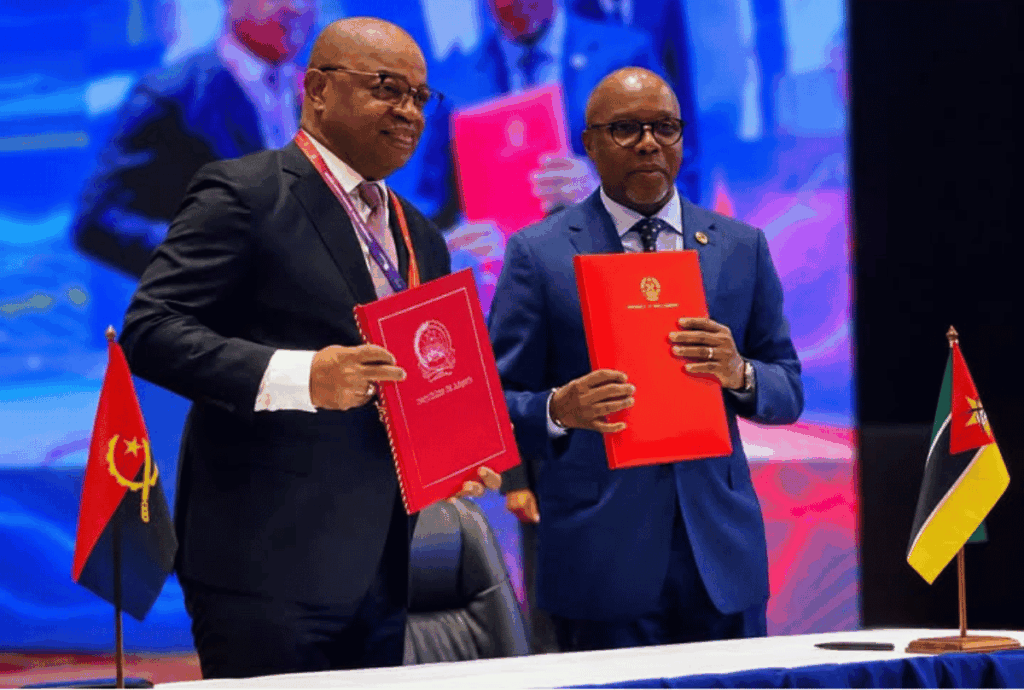
Mozambique and Angola have taken a significant step toward deepening regional cooperation in technology and communications after signing a Memorandum of Understanding (MoU) designed to strengthen collaboration in digital transformation, telecommunications, and information and communications technologies (ICTs).
The agreement, signed on the sidelines of the 5th National Communications Conference, reflects the growing commitment of both countries to leverage digital technologies as a catalyst for economic growth, innovation, and social development. The partnership is expected to create a framework for closer cooperation between the two Lusophone African nations as they work to modernize their communications sectors and expand digital opportunities for citizens and businesses.
Morocco Secures €200M to Expand Skills and Youth Employment
Mozambique’s Minister of Communications and Digital Transformation, Américo Muchanga, and Angola’s Minister of Telecommunications, Information Technologies and Social Communication, Mário Oliveira, formally signed the memorandum, underscoring the strategic importance both governments place on strengthening ties in an increasingly digital world.
According to officials from both countries, the agreement seeks to promote technical and institutional cooperation through the exchange of expertise, knowledge, and best practices across a range of areas, including telecommunications infrastructure, digital governance, regulatory frameworks, digital innovation, cybersecurity, and emerging technologies.
The partnership comes at a time when African nations are accelerating investments in digital infrastructure to improve connectivity, bridge the digital divide, and unlock new opportunities in the digital economy. Across the continent, governments are prioritizing technology-driven solutions to enhance public services, improve business competitiveness, and foster greater inclusion in rapidly evolving global markets.
For Mozambique and Angola, the memorandum represents more than a bilateral cooperation agreement. It is a strategic commitment to building stronger digital ecosystems capable of supporting sustainable development and long-term economic resilience. By sharing experiences and coordinating efforts, the two countries aim to address common challenges while accelerating progress toward their respective national digital transformation goals.
Officials noted that enhanced cooperation in telecommunications could help improve network coverage, increase broadband accessibility, and strengthen digital infrastructure in underserved areas. Expanding connectivity remains a critical priority for many African countries, particularly as digital services become increasingly essential for education, healthcare, financial inclusion, e-commerce, and government services.
The agreement is also expected to encourage greater collaboration between regulatory authorities, allowing both nations to exchange insights on policy development, spectrum management, consumer protection, and industry oversight. Such cooperation can help create more efficient and predictable regulatory environments that support investment and innovation within the telecommunications sector.
In addition, the memorandum opens opportunities for joint initiatives aimed at fostering innovation and digital entrepreneurship. As startups and technology-driven businesses continue to play a growing role in Africa’s economic landscape, stronger regional cooperation can help create conditions that enable innovation ecosystems to thrive.
The signing took place during the 5th National Communications Conference, an event that brought together policymakers, industry leaders, technology experts, and stakeholders to discuss the future of communications and digital transformation. The conference served as an important platform for dialogue on emerging trends, technological advancements, and policy priorities shaping the sector.
Analysts view the agreement as part of a broader trend across Africa, where governments are increasingly recognizing the value of regional collaboration in achieving digital transformation objectives. Partnerships that facilitate knowledge sharing and coordinated action are becoming essential as countries seek to build resilient digital economies and respond to rapidly changing technological landscapes.
The memorandum also aligns with wider continental efforts to promote digital integration and technological development. As Africa continues to pursue ambitious digitalization goals under various regional and continental frameworks, cooperation between countries such as Mozambique and Angola is expected to play a crucial role in driving progress and ensuring that the benefits of digital transformation are shared more broadly.

By strengthening collaboration in communications, technology, and innovation, Mozambique and Angola are positioning themselves to capitalize on emerging opportunities in the digital economy while contributing to Africa’s broader vision of a connected, inclusive, and technology-enabled future. The agreement stands as a testament to the growing importance of partnerships in shaping the continent’s digital transformation journey and advancing sustainable development through innovation.