
Under the blazing African sun in Kafue, Lusaka Province, Grace Nyirongo Phiri walks among rows of lush green crops as water flows directly to the plants’ roots. Just a few years ago, tending these fields meant long, exhausting hours with hoses, uneven irrigation, and uncertain yields that left the future in doubt. “Before, we spent all day watering, and it was never enough,” Phiri recalls. “Sometimes the crops would still wither, and we didn’t know what to do.”
Today, Grace has time to plan, innovate, and expand her small farm. The transformation is not just technological—it has reshaped the way she lives and works the land. With a modern drip irrigation system, a private well, and solar-powered pumps, her work is now precise, more profitable, and far less labor-intensive. “Now I can focus on other things while the crops grow,” she says, smiling with relief and pride.
South Africa: Gen Z Innovation drives cost-effective solutions to combat child hunger
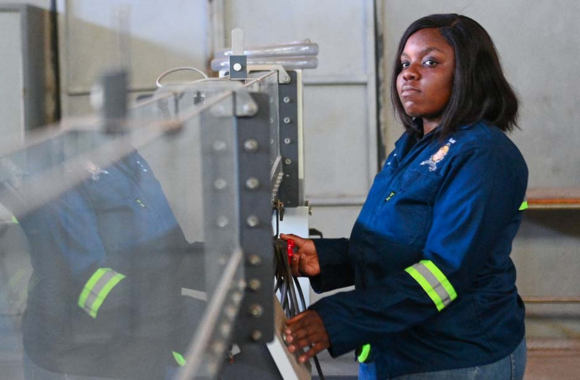
Hundreds of kilometers away in Lusaka, Kangwa Bwalya, a civil and environmental engineering student at the University of Zambia (UNZA), is experiencing a radical change—but in education. “Previously, our labs were limited, and much of the equipment didn’t work,” she recalls. “Now, with fully upgraded labs and modern technology, we can apply theory to real-world practices.”
Meanwhile, in Kabwe, Joseph Banda, a young entrepreneur trained at a technical institute, has shifted from seeking employment to creating opportunities. His agro-supply store, Akunzi AgroVet, employs direct and indirect staff, connecting farmers with the inputs and knowledge they need to thrive. “This opportunity has changed my life and the lives of people in my community,” Banda says.

Though each story unfolds differently, they share a common thread: access to education, technology, and resources that empower individuals to transform their lives. Support for modern irrigation, customized fertilizers, educational infrastructure, and professional training has created an ecosystem connecting farmers, students, and entrepreneurs across Zambia.
For Grace, Kangwa, and Joseph, these opportunities mean tangible steps toward self-sufficiency and resilience. Watching her crops flourish, Phiri reflects: “We are rising step by step. One day we might become medium-scale farmers, then commercial farmers. God knows. But this support has been immense, and we are very grateful.”
These stories highlight how strategic investment in education, innovation, and skills development can generate lasting impact. From farms to classrooms and small businesses, Zambia is cultivating productivity, opportunity, and growth. The seeds of change are taking root.