
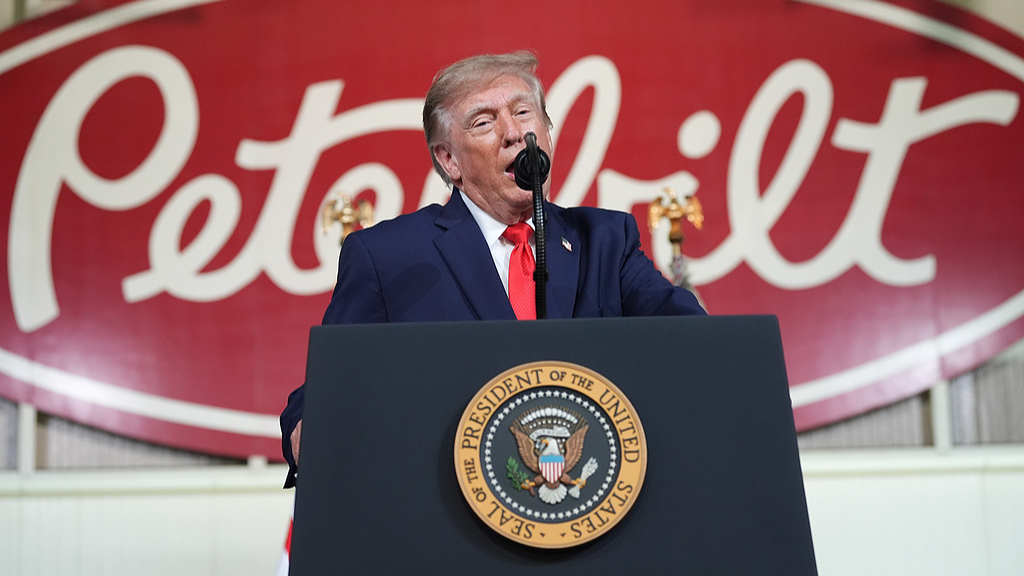
U.S. President Donald Trump has said renewed large-scale military strikes against Iran after the November midterm elections are “possible,” as diplomatic efforts between Washington and Tehran remain stalled.
In an interview with TIME published Thursday, Trump was asked whether the United States could intensify its bombing campaign against Iran following the midterm elections. He responded, “Possible,” while declining to identify potential targets. Trump also said the United States had spent recent months rebuilding its weapons stocks.
Cameroon’s Steel Industry Gets €40 Million Boost as Afreximbank Backs Prometal Expansion
Trump said he rejected Iran’s latest ceasefire proposal because he considered its terms insufficient. Tehran’s proposal had included a seven-day ceasefire and a phased reopening of the Strait of Hormuz, alongside renewed diplomatic discussions. U.S. and Iranian positions remain divided over the conditions required to end hostilities and restart broader negotiations.
The latest developments follow indirect discussions between Iranian and U.S. representatives during the United Nations General Assembly in New York. Iran’s delegation was led by Foreign Minister Abbas Araghchi, while negotiations focused in part on the conflict and the strategic Strait of Hormuz.
The talks have faced significant mistrust. Iranian officials have continued to call for an end to U.S. military and economic pressure, while Washington has maintained that Tehran must accept broader conditions for a lasting agreement. According to CBS News, U.S. Secretary of State Marco Rubio instructed the Iranian delegation to leave the United States earlier than planned following technical discussions.
At the same time, Washington has expanded its economic pressure campaign. The Trump administration announced new sanctions targeting Iran’s automotive and railway sectors and foreign suppliers connected to them. Reuters reported that the measures are intended to restrict alternative transportation networks that Tehran could use to move oil, fuel and other goods while maritime routes remain disrupted.
The sanctions include Iran Khodro Company and SAIPA, two major Iranian automakers, as well as several railway companies. The U.S. Treasury has placed the measures within its broader “Operation Economic Outcast” campaign against Iran.
Military activity around the region is also increasing. Reports indicate that the United States is preparing to deploy additional naval and Marine forces to the Middle East, including another aircraft carrier strike group. The buildup comes as Washington weighs its options amid the diplomatic deadlock.

Iran, meanwhile, has said it remains open to dialogue while preparing for a stronger response should the United States launch another major military campaign. Reuters reported that Iranian officials are considering retaliation beyond the immediate Middle East region if hostilities resume.
For now, the diplomatic track remains open, but the latest statements from both sides point to substantial differences over the terms of any ceasefire or longer-term agreement. Trump’s comments make clear that renewed U.S. military action remains under consideration, although he did not announce a decision to resume strikes.