
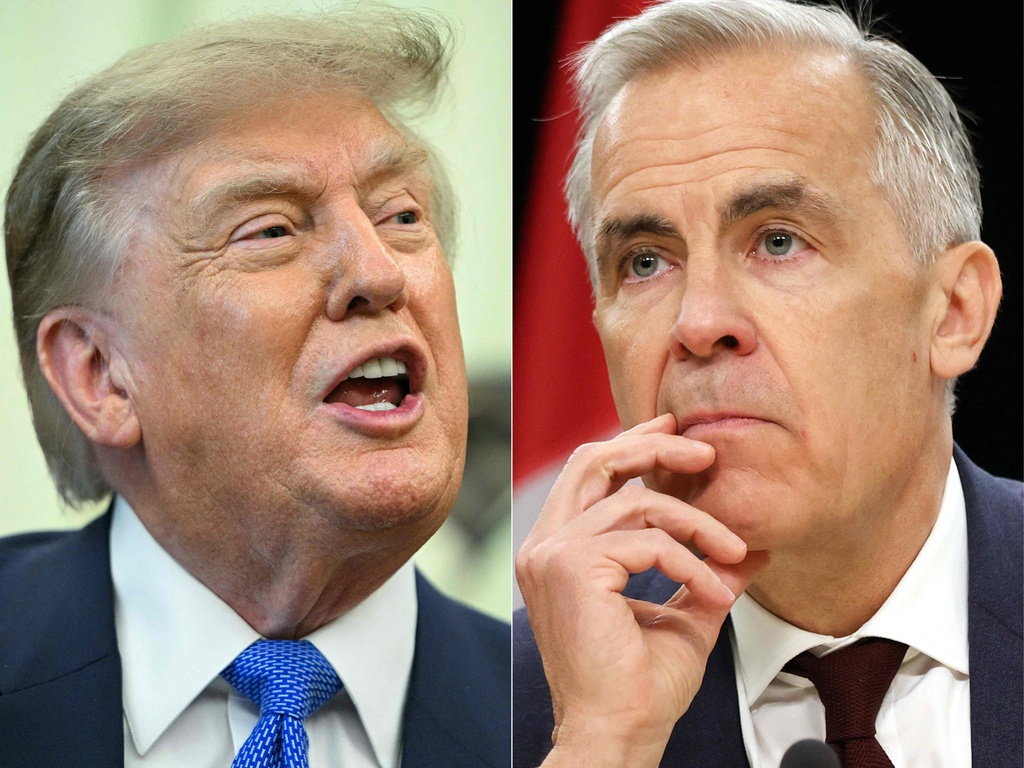
he trade dispute between the United States and Canada is threatening to escalate further after President Donald Trump warned that a 50% tariff could be imposed on Canadian-made cars, trucks and auto parts from January 1, 2027.
If implemented, the proposed measure would strike at one of the most deeply integrated industries in North America, where vehicles and components frequently cross the US-Canada border during the manufacturing process. The move could therefore create significant pressure on supply chains, manufacturers and consumers on both sides of the border.
China’s Animation Industry Takes Global Stage Beyond Ne Zha
The latest threat follows the announcement of a 50% tariff on approximately $20 billion worth of Canadian goods on August 22 after trade negotiations ended without a breakthrough. Products affected include honey, wine, cosmetics, cement, paper, textiles, electronics and hockey equipment.
The White House said the tariffs, imposed under Section 338 of the Tariff Act of 1930, were intended to address Canada’s treatment of US exports, including in sectors such as automobiles, alcohol and dairy products. The Trump administration has also described tariffs as a tool to support domestic manufacturing, protect American workers, encourage companies to bring production back to the United States and reduce trade deficits.
Although the $20 billion in affected goods represents just over 5% of Canada’s exports to the United States, the high tariff rate has raised concerns that the dispute could expand into additional sectors and cause wider economic disruption.
Canada has pledged to respond. Prime Minister Mark Carney said his government would retaliate “dollar for dollar,” with new Canadian tariffs expected to take effect on September 8. The prospect of reciprocal measures has increased concerns about a prolonged trade confrontation between two of the world’s closest economic partners.
The economic consequences could be particularly severe for Canada because of its heavy dependence on trade with the United States. Estimates cited by The Associated Press suggest that the latest tariffs have already weighed on Canadian economic growth, while further escalation and supply chain disruptions could increase the damage.
The proposed tariffs on vehicles and auto parts could have broader consequences across the North American automotive industry. Manufacturers rely on highly interconnected production networks spanning the United States, Canada and Mexico, meaning higher border costs could affect production schedules, business investment and vehicle prices.
The dispute also highlights growing uncertainty over the future of the US-Canada economic relationship. Daniel Bélanger, a political science professor at McGill University, said the collapse of tariff talks had reinforced concerns among Canadians that the long-standing relationship between the two countries was entering a new and more uncertain period.
ith Canada preparing retaliatory measures and Washington signalling the possibility of additional tariffs, businesses across North America are now facing the prospect of increased costs and further disruption unless both governments can find a path back to negotiations.