
Rwanda is deepening its investment in health innovation and human capital as part of a broader effort to modernise its healthcare system and reduce dependence on imported expertise. This week, the African Development Bank Group approved $33.64 million in financing to support the second phase of the country’s Centre of Excellence for Biomedical Engineering and e-Health.
The project, to be implemented through the University of Rwanda, aims to build future-ready skills while strengthening health services nationwide. The Bank Group will contribute $29.85 million, drawn from both its concessional African Development Fund and its non-concessional lending arm, with the Government of Rwanda providing the remaining funding.
Vertiv Report Outlines How AI Is Reshaping the Future of Data Centers
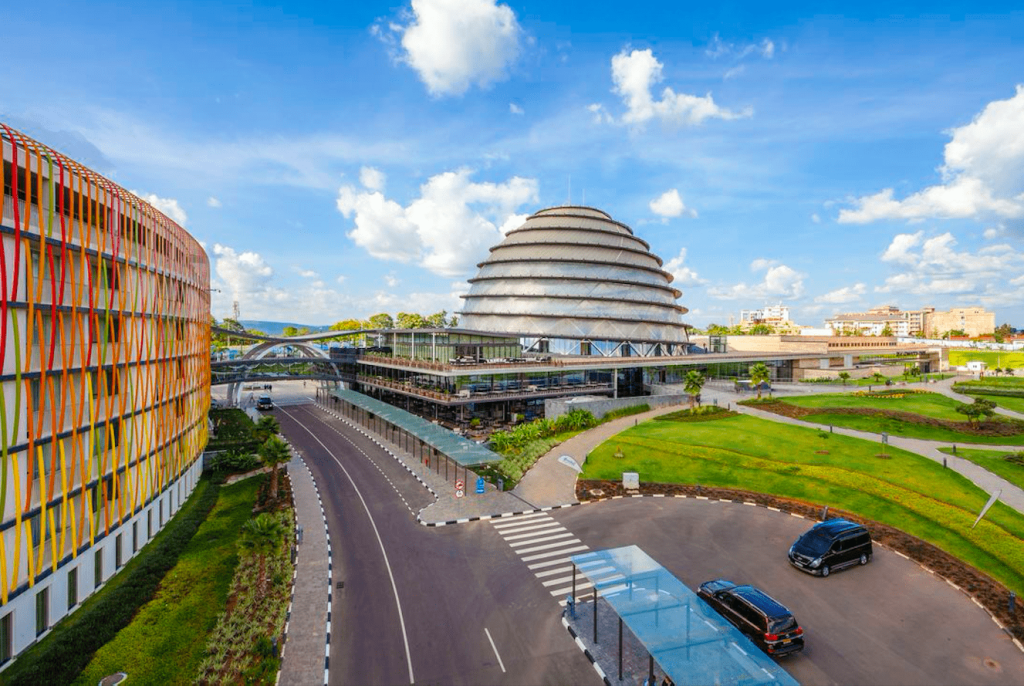
Located in Kigali Innovation City, a growing technology hub in the capital, the Centre of Excellence will be expanded and upgraded through new academic programmes, modern laboratories and advanced equipment. The project also seeks to strengthen links with the private sector, positioning training and research closer to real-world health system needs.
Phase II builds on the results of an earlier phase and is expected to directly train 470 students in biomedical engineering, rehabilitation and mobility sciences, and digital health at both bachelor’s and master’s levels. Most beneficiaries will be young people from Rwanda and other East African Community countries, reinforcing the project’s regional dimension.
In parallel, the initiative will invest in the development of academic staff through doctoral and post-doctoral training, aimed at sustaining high-quality teaching and research. Curriculum reform, accreditation and collaborative research with international institutions are also central components of the programme.
A key addition under the new phase is the creation of a Biomedical Innovation Park. The facility is designed to allow students, researchers and private companies to design, test and produce health technologies tailored to local and regional needs, supporting Rwanda’s ambition to move from technology adoption to innovation and production.
Beyond the university, the project is expected to have tangible effects across the healthcare system. Hospitals and clinics will benefit from a larger pool of locally trained specialists capable of installing, maintaining and repairing medical equipment, reducing treatment delays and lowering long-term costs.
Digital health tools and telemedicine are expected to expand access to care, particularly for patients in remote areas far from major hospitals. Over time, improved skills and technology are expected to contribute to better diagnosis, safer treatment and more resilient health services.

During construction, the project will generate hundreds of short-term jobs, primarily for young people. In the longer term, it is expected to support new health technology enterprises and attract research funding, contributing to job creation and innovation in the health sector.
The project, approved in early January, will run through 2030 and aligns with Rwanda’s long-term vision of building a knowledge-based economy alongside a resilient and inclusive healthcare system.