
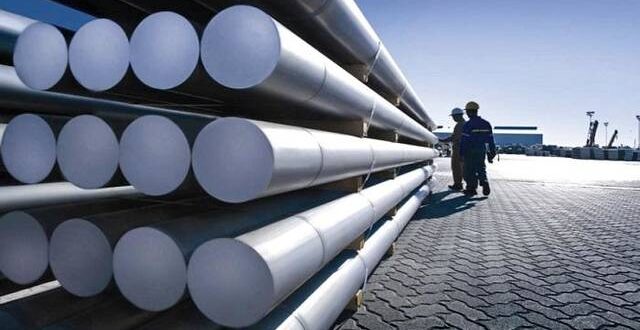
African bauxite producers are accelerating a shift from raw material exports to higher-value alumina refining, marking a pivotal phase in the continent’s mining and industrial development. With Africa holding nearly 30% of global bauxite reserves but contributing less than 1% of alumina production, the sector is emerging as a major opportunity for value creation and long-term investment.
The global alumina market is projected to reach $67 billion by 2032, and African countries are increasingly positioning themselves to capture a larger share of that value through downstream processing and industrialization. African Mining Week 2026, scheduled for October 14–16 in Cape Town, is expected to serve as a key platform for connecting investors, project developers, and policymakers, with discussions focused on scaling refinery projects and maximizing economic impact.
Gabon’s First Lady Donates CFA 100 Million to RAFER in Sipopo
Nigeria is leading the continent’s refining ambitions with plans for its first large-scale alumina refinery, backed by $1.3 billion in financing from the Africa Finance Corporation and the Solid Minerals Development Fund. The facility is designed to produce one million tons of alumina annually and is expected to generate approximately $1.2 billion in annual GDP contributions over time. The project aligns with the country’s broader industrial strategy, leveraging domestic gas resources to power refining operations while advancing local value addition.
Guinea is also moving aggressively to expand its refining capacity, targeting six alumina refineries by 2030 with a combined output of 7 million tons per year. Partnerships with international companies are already underway, including a $1.2 billion refinery project in Boké. Ghana is pursuing similar ambitions, aiming to develop between 4 and 6 million tons of annual refining capacity through global partnerships that strengthen local beneficiation of its bauxite resources.
In Cameroon, feasibility studies are progressing for a refinery linked to the Minim Martap project, reflecting growing interest in expanding downstream capabilities across Central Africa. These developments underscore a broader continental push to transform raw resource extraction into industrial production.
By investing in alumina refining, African countries are not only increasing export revenues but also creating skilled jobs, strengthening supply chains, and attracting long-term investment. The shift highlights deeper integration between mining, energy, and industrial policy, as reliable power supply becomes critical to sustaining refinery operations.

Industry observers note that this transition represents a significant opportunity for investors across infrastructure, energy, and processing technologies. As stakeholders prepare to convene at African Mining Week 2026, the focus is expected to remain on accelerating partnerships and unlocking the full potential of Africa’s mineral wealth. With governments and private sector players aligning around value addition and industrial growth, alumina refining is increasingly seen as a cornerstone of Africa’s economic transformation and a key driver of its competitiveness in global commodity markets.