
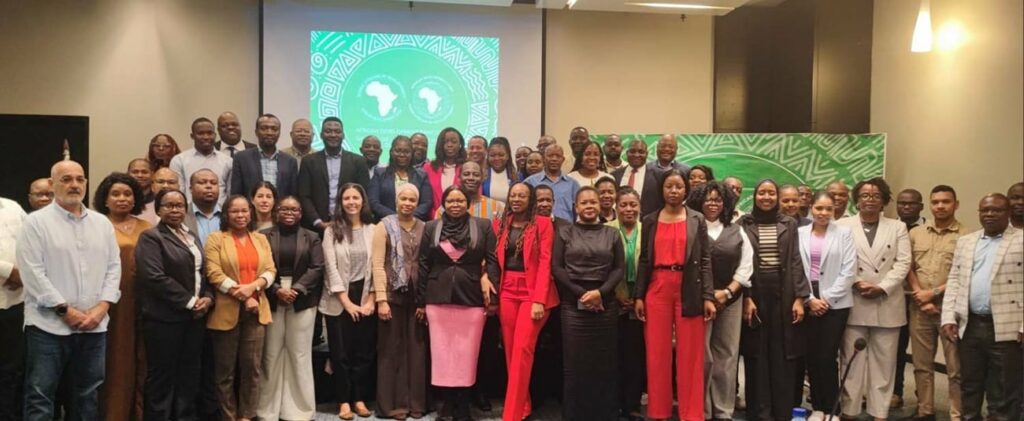
Over eighty professionals from public institutions, private organizations, and environmental authorities in Mozambique have completed an intensive training on environmental and social safeguards, designed to boost the sustainability and long-term impact of development projects implemented across the country.
The five-day workshop equipped participants with practical skills in environmental and social impact assessments, resettlement management, stakeholder engagement, and the implementation of environmental and social management plans. The initiative addresses the growing need to embed sustainability practices in national projects amid rising environmental pressures and community challenges.
The training forms part of Mozambique’s Project Portfolio Performance Improvement Plan, which seeks to enhance transparency, quality, and accountability in public investments. Organizers highlighted that the initiative will enable national technical teams to apply more rigorous risk assessment and mitigation procedures, ensuring that projects deliver inclusive and sustainable benefits.
Burundi: PASEREC brings clean water and green jobs to 500,000 people
“The training gives our teams concrete tools to integrate environmental and social criteria from the design stage of every project,” said Patrícia Baptista, Country Program Officer at the African Development Bank’s Mozambique Country Office. “It directly responds to the recommendations of the Country Portfolio Performance Review and supports the country’s commitment to sustainable and inclusive development.”
Chamila Aly, National Director of the Directorate of Public Debt at the Ministry of Finance, emphasized that the initiative strengthens the State’s capacity for responsible public management. “We now have clearer references on the roles and responsibilities of each institution in environmental and social management. This translates into stronger projects with tangible positive impacts for our communities,” she noted.

Supported by the African Development Bank, the training focused on the updated Integrated Safeguards System (ISS), approved in 2023 and effective since 2024. The framework promotes three fundamental pillars — environmental sustainability, social inclusion, and transparency — aligning Mozambique’s projects with international standards and best practices.
According to Modeste Kinane, Lead Environmental and Social Safeguards and Compliance Officer at the Bank, the impact of the training should extend far beyond theory. “The challenge now is to apply this knowledge in practice, strengthen collaboration between institutions, and ensure that every project truly contributes to the well-being of Mozambican communities,” he said. With this initiative, Mozambique takes a decisive step toward consolidating a national culture of sustainability, where environmental protection and community welfare stand at the core of the country’s development agenda.