
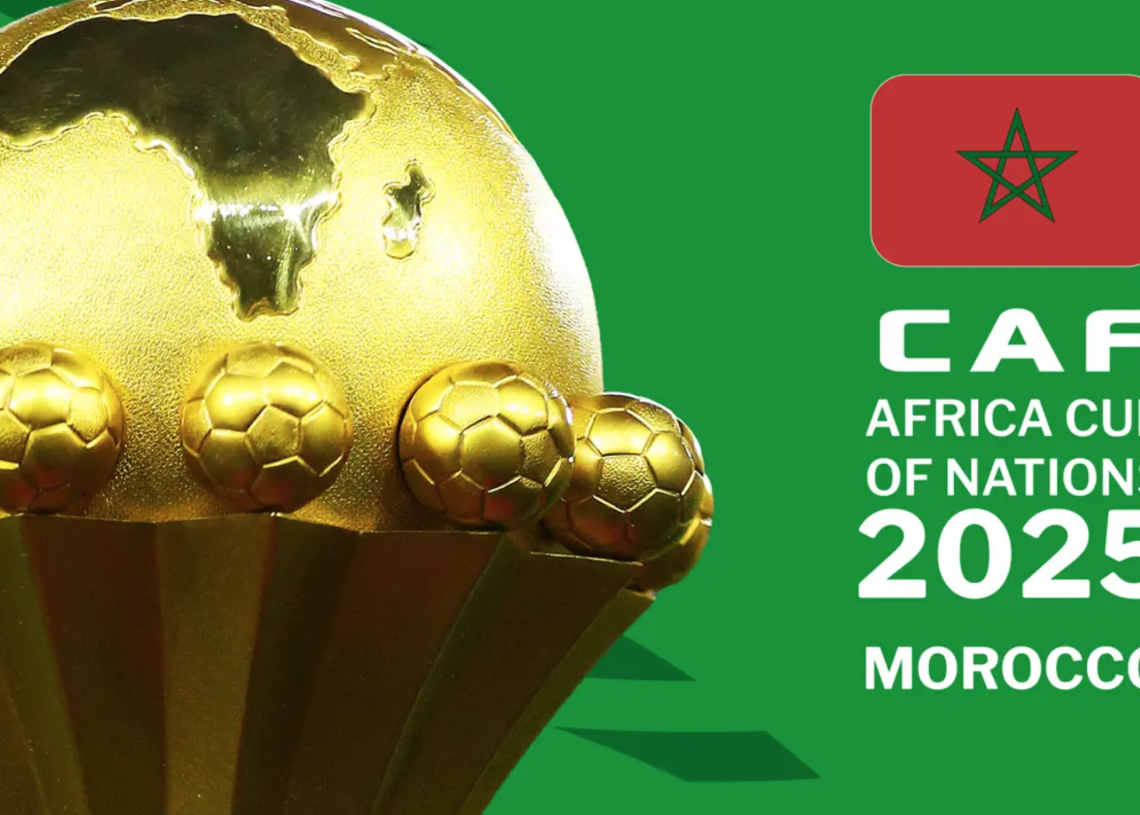
After months of meticulous preparation and soaring anticipation, the Africa Cup of Nations (AFCON) 2025 officially kicked off in Morocco on December 21, signaling a pivotal moment for African football. Hosting 24 national teams across six cities and nine venues, the tournament not only spotlights Africa’s deep-seated football passion but also serves as a crucial proving ground for Morocco’s bold ambitions as a co-host of the 2030 FIFA World Cup.
Morocco’s commitment to delivering a world-class event is evident in its sweeping investments in infrastructure, widely regarded as among the most comprehensive sporting developments in Africa’s history. The Prince Moulay Abdellah Stadium in Rabat, which will host both the opening fixture and the final, stands as a testament to this vision—ready to welcome tens of thousands of fervent supporters despite unseasonably cold and rainy weather. The tournament brings together a compelling mix of footballing heavyweights and rising contenders. Reigning champions Ivory Coast, fresh from a dramatic title run on home soil in the previous edition, seek to defend their crown, while Nigeria aims to convert last tournament’s runner-up finish into glory. Senegal, led by talismanic forward Sadio Mané, returns determined to repeat their 2021 triumph. Egypt, in pursuit of an unprecedented eighth continental title, must balance on-field focus with swirling speculation surrounding Mohamed Salah’s future.
Visa boosts global payments in USDC through Aquanow integration
Teams have been drawn into six groups: Morocco, Mali, Zambia, and Comoros in Group A; Egypt, South Africa, Angola, and Zimbabwe in Group B; Nigeria, Tunisia, Uganda, and Tanzania in Group C; Senegal, DR Congo, Benin, and Botswana in Group D; Algeria, Burkina Faso, Equatorial Guinea, and Sudan in Group E; and Cameroon, Gabon, Ivory Coast, and Mozambique in Group F. In Rabat’s expansive fan zones, an electric atmosphere prevails. Despite the damp weather, Moroccan supporters clad in the red and green of the national team have been vocally rallying behind their squad. Central to the host nation’s hopes is Achraf Hakimi, captain and defensive linchpin. Though an ankle injury had cast doubt on his opening match participation, Hakimi expressed resolute confidence. “This is a responsibility we proudly shoulder,” he said. “It fuels our determination to succeed.
While Morocco carries the hopes of the host nation, underdog teams like Comoros are relishing their moment on Africa’s grandest stage. The island nation, appearing in only their second AFCON, has galvanized fans with a spirited campaign. Forward El Fardou Ben Mohamed captured the collective sentiment: “We have proven that we belong here. This is a source of pride for all Comorians.” The team has also drawn encouragement from President Azali Assoumani, who visited the squad ahead of their first match.
AFCON 2025 is widely viewed as more than a continental competition—it is a rehearsal for Africa’s impending arrival on football’s global stage. Morocco’s extensive preparations and infrastructural commitments exemplify its readiness to co-host the 2030 FIFA World Cup alongside Spain and Portugal. As the tournament’s opening whistle blows at 8 p.m. CAT on December 21, millions across Africa and around the world will watch, witnessing not just football matches but a celebration of African unity, resilience, and the continent’s unyielding passion for the beautiful game.