
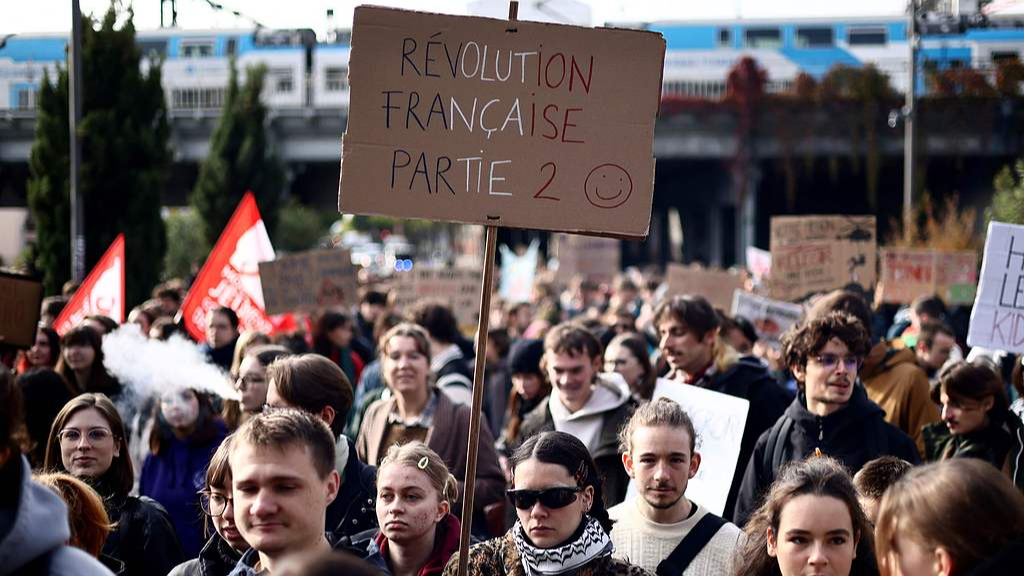
Around 600,000 people took part in demonstrations across France on Thursday, November 6, 2026, according to an initial estimate by the French Interior Ministry, as reported by French television channel BFM TV. However, the General Confederation of Labour (CGT) placed the turnout significantly higher, estimating that nearly 1.6 million people participated nationwide, including approximately 350,000 in Paris.
The demonstrations reflected mounting frustration over salaries, declining purchasing power and working conditions, bringing together workers from different sectors, students, teachers and public service employees. The significant difference between the government’s estimate and that of the CGT underscored the scale of the mobilization and the contrasting assessments of participation.
South Sudan Seeks Technical Partnerships to Accelerate Oil and Gas Development
Education was among the sectors affected by the strike. Figures from the French Ministry of National Education indicated that 16% of teachers participated in Thursday’s industrial action. Meanwhile, nearly one-third of the country’s higher education institutions experienced disruptions by midday, affecting 60 of France’s 184 institutions.
The public administration sector also recorded significant participation, with nearly 10% of employees in the French state civil service joining the strike over salaries and purchasing power, according to the Ministry of Public Action and Accounts.
Despite the nationwide mobilization, transport services largely continued operating. French Transport Minister Philippe Tabarot stated on X that services were generally maintained. By 2 p.m. local time, nine out of every ten high-speed TGV trains were operating, alongside approximately two-thirds of regional train services.
Thursday’s demonstrations form part of a broader wave of social mobilization that has swept across France since September. Initially driven by students demanding improvements in educational conditions, the movement gradually expanded, attracting other social groups and trade unions.

On October 17, approximately 550,000 people demonstrated nationwide, bringing together farmers, climate activists, trade unions and students. Their concerns extended beyond education and employment to include fuel prices, the rising cost of living and the provision of essential public services.
The latest demonstrations highlight the growing importance of purchasing power and public sector conditions in France’s domestic debate, as different sections of society increasingly call for measures addressing economic pressures and improving living standards.