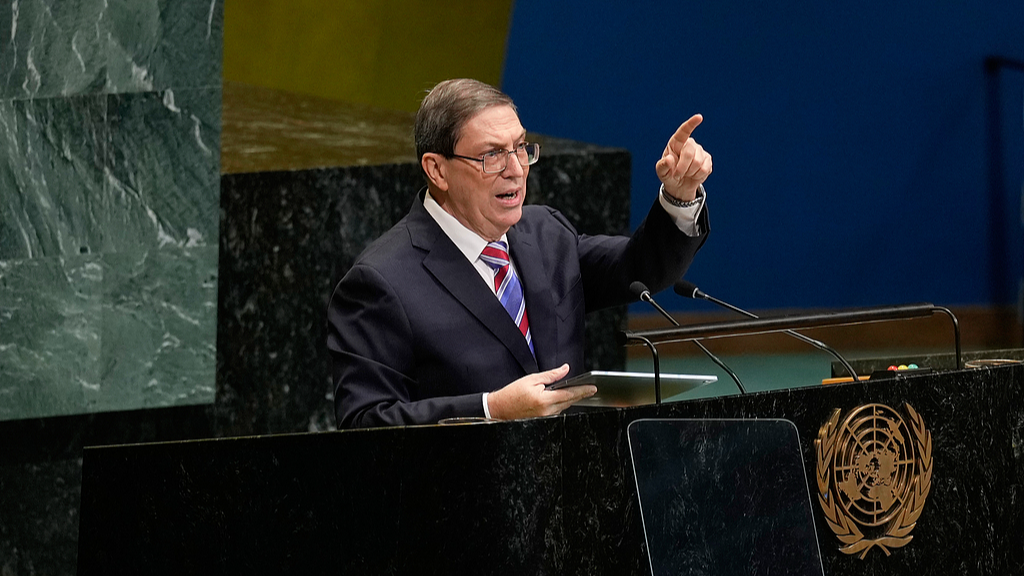
The United Nations General Assembly has once again called for an end to the United States’ longstanding economic, commercial and financial embargo on Cuba, adopting a resolution by an overwhelming majority on Wednesday, 28 October 2026. The vote saw 130 countries support the resolution, 17 oppose it and 25 abstain, reinforcing the international debate over the impact of unilateral sanctions on national sovereignty, international trade and the Cuban population.
Princess Royal to Visit Cape Town for Commonwealth Agriculture Conference
The resolution expresses concern over the continued enactment and application of US laws and regulations, including the 1996 Helms-Burton Act, whose extraterritorial effects, according to the text, undermine the sovereignty of other states, the legitimate interests of individuals and entities under their jurisdiction, and the freedom of trade and navigation.
It calls on all countries to refrain from adopting and applying such measures and urges states that continue to enforce them to take the necessary steps to repeal or invalidate them as soon as possible. Although General Assembly resolutions of this nature carry significant diplomatic weight, they are generally not legally binding in the same way as decisions of the UN Security Council.
Wednesday’s vote marked the 34th consecutive adoption of a resolution calling for the termination of the US embargo. The repeated votes have highlighted the persistent divide between Washington’s policy towards Havana and the position of a substantial majority of UN member states.
Cuba welcomed the outcome, describing it as a diplomatic victory amid increased pressure from the United States to defeat the initiative. President Miguel Díaz-Canel said the broad support represented a victory for the Cuban people, arguing that the country had continued to resist economic pressure, threats and what he characterised as abusive measures by the US government.
In a statement published on social media, Díaz-Canel portrayed the result as a rejection of efforts to isolate Cuba economically and politically. His remarks reflected Havana’s longstanding position that the embargo amounts to collective punishment and places an unfair burden on the country’s population.
Cuban Foreign Minister Bruno Rodríguez, who led the Cuban delegation at the General Assembly, also welcomed the result, describing it as another victory against US sanctions. He reiterated Havana’s position that Cuba does not constitute a threat to the United States and that the embargo itself is the central obstacle to normal relations between the two countries.
Washington has maintained economic, commercial and financial restrictions on Cuba for more than six decades, with successive administrations adjusting the scope and enforcement of the policy. The restrictions have shaped bilateral relations since the Cold War and remain a major source of disagreement over economic policy, human rights, political freedoms and regional diplomacy.
The embargo has been intensified under the Trump administration, according to the report, adding to the economic pressures facing the Caribbean island. Official Cuban government figures estimate that the restrictions have caused nearly US$179 billion in economic losses over time. The figure is an estimate provided by Cuban authorities and reflects Havana’s assessment of the embargo’s cumulative economic impact.
The annual UN vote has become a recurring test of international opinion on the issue. While the repeated resolutions demonstrate broad opposition among member states to the continuation of the embargo, they have not resulted in its removal. The United States retains control over its domestic sanctions framework, and changes to the policy would require action by the relevant US authorities.
For Cuba, the vote offers diplomatic support for its call to end the restrictions and expand access to international trade and finance. For the wider international community, the debate raises questions about the relationship between national sanctions policies, the sovereignty of third countries and the principles of open international commerce.
Despite decades of diplomatic pressure and repeated calls from the General Assembly, the future of the embargo remains unresolved. Wednesday’s vote nevertheless reaffirmed the position of a large majority of UN member states that the longstanding restrictions should be brought to an end.