
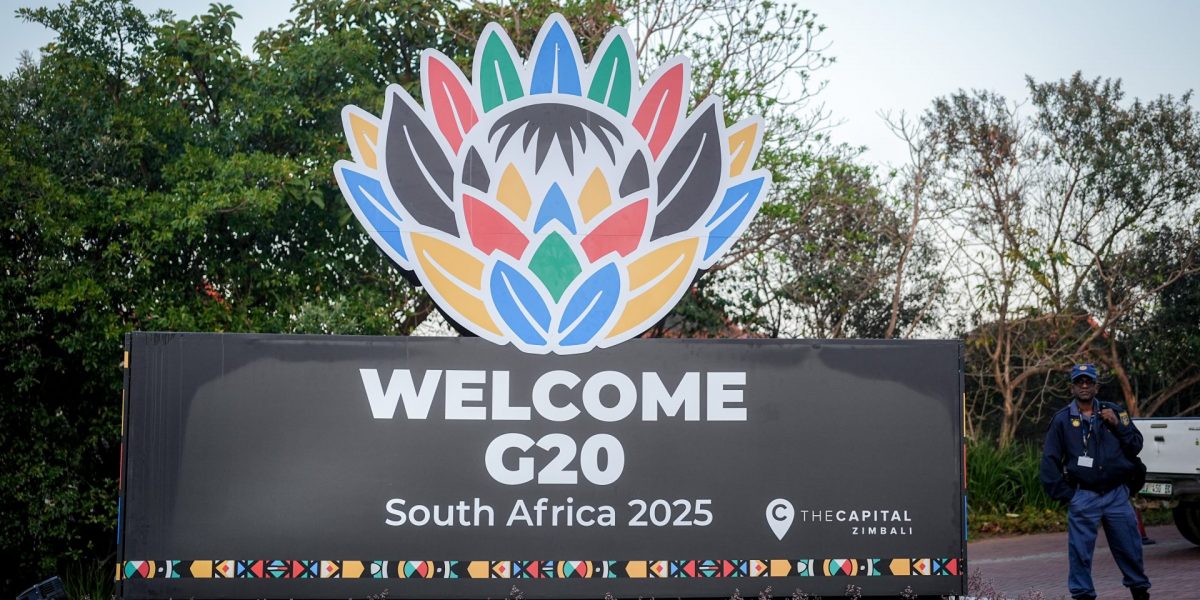
Johannesburg — The first-ever G20 Summit held on African soil quietly marked a historic turning point. Three major global policy directions aligned, presenting what could be the most significant opportunity for Africa’s industrial future in a generation—centered on electric vehicles (EVs). As the Paris Agreement hits its tenth anniversary, Africa faces a critical choice: follow the fossil fuel-heavy path of industrialized nations or leapfrog directly into sustainable mobility by building the industries and infrastructure that will power the 21st century. Johannesburg’s summit suggests the latter is within reach.
The G20 Leaders’ Declaration expressed urgent commitment to deep and sustained cuts in greenhouse gas emissions consistent with limiting global warming to 1.5°C. Transport, a major global emitter, is especially poised for disruption as EV technology becomes increasingly affordable. The summit’s emphasis on accelerating Africa’s EV adoption signals a recognition that the continent cannot afford to lag.
São Tomé and Príncipe records 1,293 Malaria cases and zero deaths in Q1 2025
Alongside climate goals, G20 Environment and Climate Ministers connected these ambitions to air quality—a vital issue for rapidly growing African cities like Lagos, Nairobi, Johannesburg, and Cairo. Without swift action, these cities risk facing the same dangerous pollution crises seen elsewhere. Electric vehicles offer an immediate, tangible benefit by eliminating tailpipe emissions, improving public health right where people live and work.
From the economic perspective, the G20’s Business 20 forum pointed to India’s electric vehicle revolution as a model for Africa. Redirecting billions currently spent on oil imports into local EV manufacturing, battery assembly, and charging infrastructure could stimulate job creation and position African nations as leaders in this fast-growing sector.
Johannesburg’s summit delivered a rare alignment of political will, health imperatives, and economic opportunity. But declarations alone won’t build factories or charging networks. The true test will be whether African governments and investors turn this momentum into concrete policies and infrastructure, capitalizing on a narrowing window of opportunity. The G20 has set the table. Now, Africa must decide if it will take the keys to an electric future—shaping cleaner cities, sustainable industries, and healthier lives for generations to come.