
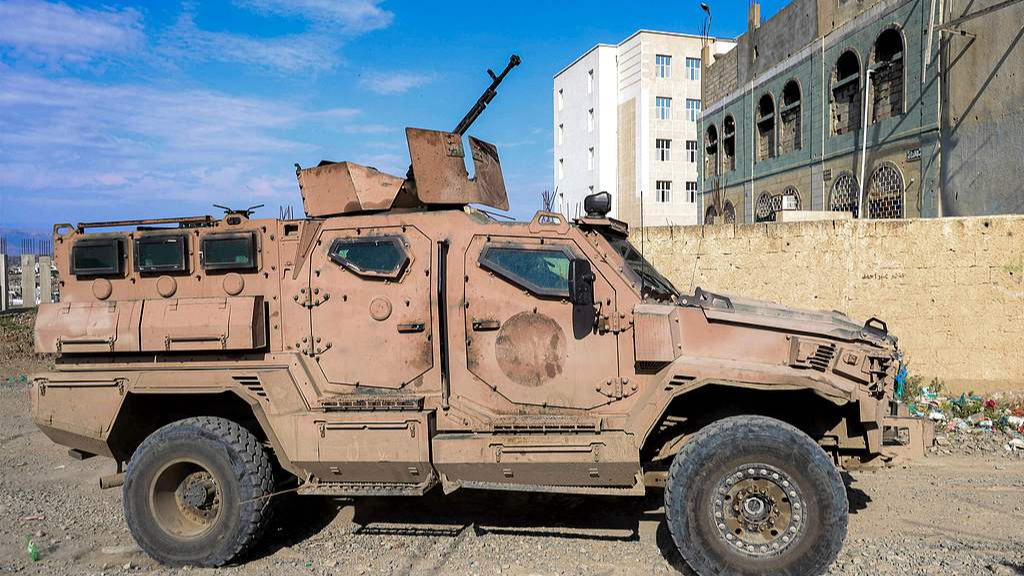
Tensions across the Middle East remain elevated amid reports that the United States is preparing for potentially major military operations against Iran, while fighting between Saudi Arabia and Yemen’s Houthi movement continues to intensify. The parallel developments are raising concerns about regional security, diplomatic relations and the humanitarian consequences of further escalation.
AfriLabs Supports More Than 13,000 Jobs Across 53 African Countries, Mobilises $2.7 Million in 2025
According to CNN, the Pentagon is prepared to launch potentially significant operations against Iran within 96 hours of receiving an order from US President Donald Trump. The report indicates that sufficient US military forces are deployed in the region to support possible strikes, although no final decision to launch the reported operation was confirmed in the account.
Some US officials reportedly believe an order could come before the end of 2026, potentially after the US midterm elections. The anticipated scope of any new operation could extend beyond limited strikes on Iranian military assets to include broader targets.
The New York Times also reported that the United States and Israel had developed plans for renewed strikes against Iran, potentially targeting energy infrastructure, nuclear facilities, and missile and drone capabilities. These reports point to the possibility of a wider confrontation, although the timing and execution of any such action remain uncertain.
Amid these military concerns, senior officials from Iran, Saudi Arabia, Pakistan and Türkiye met in Tehran on October 26 to discuss regional security and closer cooperation. The meeting brought together Saudi Defense Minister Prince Khalid bin Salman, Pakistan’s Chief of Army Staff Field Marshal Syed Asim Munir, Türkiye’s National Intelligence Organization Director Ibrahim Kalin and Iranian officials, including Supreme National Security Council Secretary Mohsen Rezaei, according to the report.
The discussions focused on continued engagement among the four countries, particularly on regional peace and security. Iranian President Masoud Pezeshkian also expressed support for arrangements that could promote unity, stability and development across the region.
The diplomatic meeting highlights efforts to maintain channels of communication at a time when potential confrontation involving Iran could have implications well beyond its borders. Whether these consultations lead to concrete de-escalation measures remains to be seen.
Meanwhile, Yemen is experiencing a further intensification of hostilities between the Houthi movement and forces aligned with the Saudi-backed Yemeni government.
Houthi military spokesperson Yahya Sarea claimed that Saudi forces conducted 119 air and missile strikes over a 24-hour period, targeting areas including Sanaa and the provinces of Al-Jawf, Taiz, Saada, Amran, Ibb and Lahj.
Separately, Majid al-Nuzaili, spokesperson for Yemen’s government forces, reported that government troops carried out 1,276 attacks against Houthi military positions and capabilities during the same period. He claimed that the operations had killed or otherwise neutralised approximately 382 Houthi fighters and commanders and destroyed or damaged 140 military vehicles and heavy weapons.
These figures represent claims by the respective parties and were not independently verified in the report. The latest escalation has reportedly involved intensified ground combat and airstrikes, alongside Houthi missile and drone attacks on Saudi territory.
Beyond the battlefield, the conflict continues to aggravate Yemen’s humanitarian emergency. The United Nations Office for the Coordination of Humanitarian Affairs (OCHA) reported that nearly half of the more than 280,000 people displaced across Yemen since the latest round of hostilities began on August 1 had fled Taiz governorate.
In Taiz, the country’s third-largest city, restrictions on humanitarian access have contributed to critical health needs and shortages of essential supplies, including medicine, fuel and clean water. OCHA also warned that the accumulation of uncollected waste is increasing the risk of disease outbreaks.
The simultaneous pressures surrounding Iran and Yemen illustrate the interconnected security and humanitarian challenges facing the Middle East. While military preparations and continuing hostilities threaten to widen instability, diplomatic engagement remains an important avenue for addressing regional tensions.

The coming weeks will be significant in determining whether diplomatic initiatives can help contain the risks of further escalation. For civilians across the region, however, the immediate priorities remain the protection of lives, access to essential services and the prevention of a deeper humanitarian crisis.
Source: CGTN, with reporting attributed to CNN, The New York Times and the United Nations Office for the Coordination of Humanitarian Affairs.