Schools across Italy and Scotland were evacuated on Wednesday, November 11, following a new wave of bomb threats, while educational institutions in Northern Ireland were advised to remain open after police assessed the warnings they received as not credible.
The latest alerts have intensified concerns over a growing pattern of suspected hoax threats and disruptive activities across Europe, with recent incidents affecting schools, airports, airlines, supermarkets, blood banks and television broadcasters.
South Sudan Seeks Technical Partnerships to Accelerate Oil and Gas Development
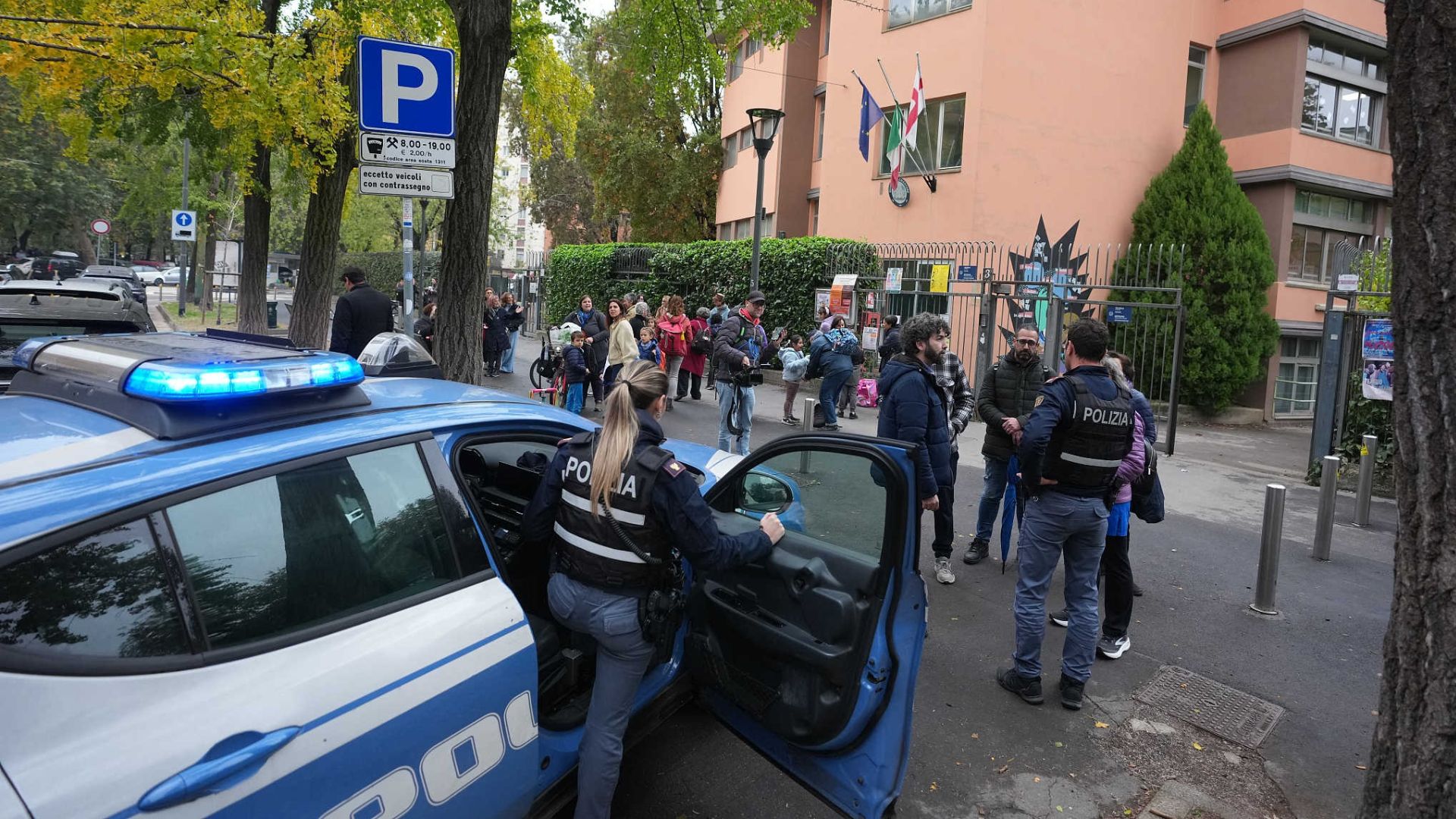
In Italy, at least 300 schools were evacuated after receiving identical bomb alert messages, according to Education Minister Giuseppe Valditara. Speaking to Italian television channel La7, Valditara said authorities believed the threats were likely hoaxes, although the number of affected schools was expected to increase.
Schools immediately activated emergency procedures to protect students and staff. In a message to parents, one school in Rome confirmed that all students had been moved to a safe location and remained under the supervision of teaching personnel.
Valditara argued that the scale of the incident suggested the threats lacked credibility. Nevertheless, Italian police have opened an investigation into the messages and their origins.
According to a copy of the email reviewed by Reuters, the threat was signed by an individual identifying himself as “Mikhail Andropov, leader of the Vilayat of Misoginistan.” The same purported sender had allegedly claimed responsibility for bomb threats sent to media organisations in Ireland and Bulgaria the previous Friday.
In Northern Ireland, the Education Authority advised schools to continue operating after police determined that the warnings received did not represent a credible threat. Officials noted similarities between the latest message and a bogus alert circulated the previous month, which had already been dismissed as a hoax by the Police Service of Northern Ireland.
A WIDER PATTERN OF DISRUPTION
The school evacuations follow a series of threats targeting European media organisations and transport infrastructure. On Friday, several broadcasters, including Ireland’s RTÉ, Britain’s Sky and Bulgaria’s Nova TV, received messages warning that “the clock is ticking.” The alerts triggered evacuations and interruptions to television programming, although no explosives were discovered at the affected locations.
Airports and airlines have also faced repeated bomb threats in recent days, disrupting passenger services from Serbia to Finland and Spain. Some incidents resulted in flight diversions, emergency landings and extensive security inspections, with no explosives found so far.
The incidents have unfolded alongside growing concerns about cyberattacks and other forms of disruption, including attacks targeting supermarket operations and critical infrastructure.
European authorities have increasingly raised the possibility of hybrid warfare, a broad term describing activities that combine cyber operations, sabotage, disinformation and other forms of pressure designed to destabilise institutions without necessarily triggering conventional military confrontation.
Several European governments have accused Russia of engaging in such disruptive activities, which officials describe as relatively inexpensive to carry out and difficult to attribute conclusively. However, no hard evidence has established a connection between Moscow and the latest wave of bomb-threat hoaxes. Russia has repeatedly denied involvement in sabotage operations targeting European countries.
For now, investigations remain ongoing as authorities work to identify those responsible, assess possible links between the incidents and prevent further disruption. Although the threats reported so far have not resulted in confirmed bomb discoveries, the repeated targeting of schools, transport networks and public institutions highlights the growing security challenges facing Europe.