Kenya is pressing ahead with its clean energy ambitions, backing a new geothermal power plant that will strengthen electricity supply, lower generation costs, and reinforce the country’s position as a continental leader in renewable energy.
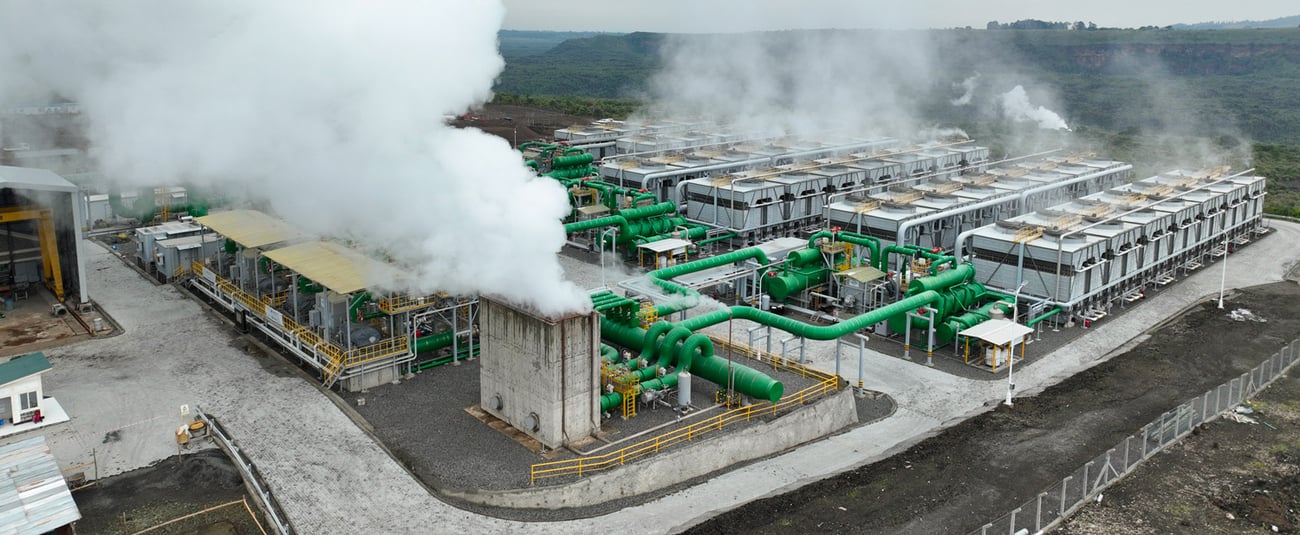
The 35 megawatt OrPower Twenty Two geothermal plant, under development at the Menengai geothermal field in the Rift Valley, is expected to add reliable baseload power to the national grid at one of the lowest tariffs in the country. When fully operational, the facility will generate about 301 gigawatt hours of clean electricity each year, helping stabilize supply while reducing dependence on diesel fueled generation.
EU and Mercosur Seal Landmark Trade Deal After Decades of Talks
Menengai, located just north of Nakuru town and about 180 kilometers from Nairobi, has become a cornerstone of Kenya’s geothermal strategy. The new plant will be the third in the field, joining the operational Sosian Menengai facility and the Globeleq Menengai project, which remains under construction. Together, the three plants will unlock the full 105 megawatts planned for the field’s first development phase.
Kenya’s geothermal model is built around long term public investment in resource development, with steam production managed by the state owned Geothermal Development Company. Electricity generated at Menengai will be sold to the national utility under a 25 year power purchase agreement, ensuring predictable supply for consumers and long term revenue certainty for developers.
Beyond power generation, the project delivers clear environmental gains. Over its operating life, the plant is expected to prevent nearly 1.9 million tonnes of greenhouse gas emissions, supporting Kenya’s broader climate commitments and its push toward a power system dominated by renewable sources.
For policymakers, the Menengai expansion is central to national development goals. Kenya aims to more than double its geothermal capacity, from about 940 megawatts today to 1,824 megawatts by 2030, as part of its drive toward 100 percent clean energy. Geothermal power, prized for its reliability and low operating costs, plays a critical role in that vision.
The project also reflects Kenya’s growing use of public private partnerships to scale infrastructure. By combining government led resource development with private sector generation, the country has built a pipeline of bankable renewable projects that continue to attract international capital.
As demand for electricity rises with industrial growth and urbanization, Kenya’s geothermal investments are shaping a power system designed not only to meet domestic needs, but to serve as a model for clean, resilient energy development across Africa.