
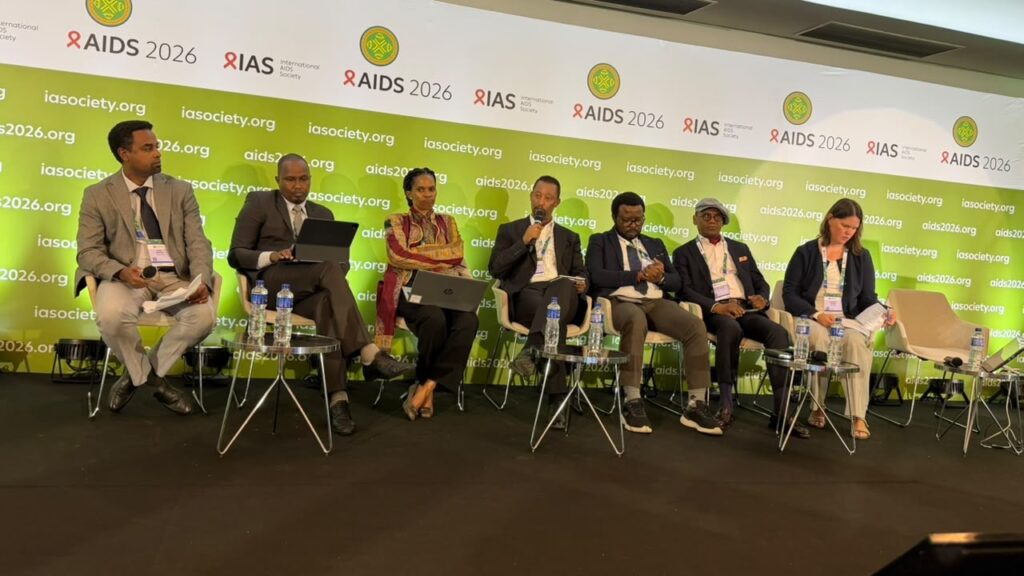
Kenya has reaffirmed its commitment to strengthening its national response to HIV during the International AIDS Society (IAS) 2026 Conference, where global leaders gathered to discuss progress, innovation and collaboration in the fight against the disease.
The Kenyan delegation was led by Director-General for Health Dr. Patrick Amoth and included Director of Family Health Dr. Issak Bashir, Head of the National AIDS and STI Control Programme (NASCOP) Dr. Andrew Mulwa, along with other senior health officials and technical experts.
Zidane returns to lead France as national team coach after long wait
The conference brought together researchers, policymakers, healthcare professionals, community organizations and development partners from around the world to exchange knowledge and accelerate efforts to end AIDS as a public health threat.
During the event, Kenya emphasized its commitment to expanding evidence-based HIV prevention and treatment services, including access to long-acting prevention and treatment options. The country also highlighted the importance of building resilient health systems capable of delivering quality healthcare while ensuring communities remain at the centre of the national HIV response.
Discussions at IAS 2026 underscored the importance of scientific research, innovation, sustained investment and strong partnerships in improving equitable access to life-saving HIV services. Participants agreed that continued collaboration between governments, healthcare providers and communities will be essential to achieving the global target of ending AIDS by 2030.

Kenya’s participation reflects its continued efforts to strengthen public health programmes and contribute to international initiatives aimed at reducing new HIV infections, improving treatment outcomes and enhancing the quality of life for people living with HIV.