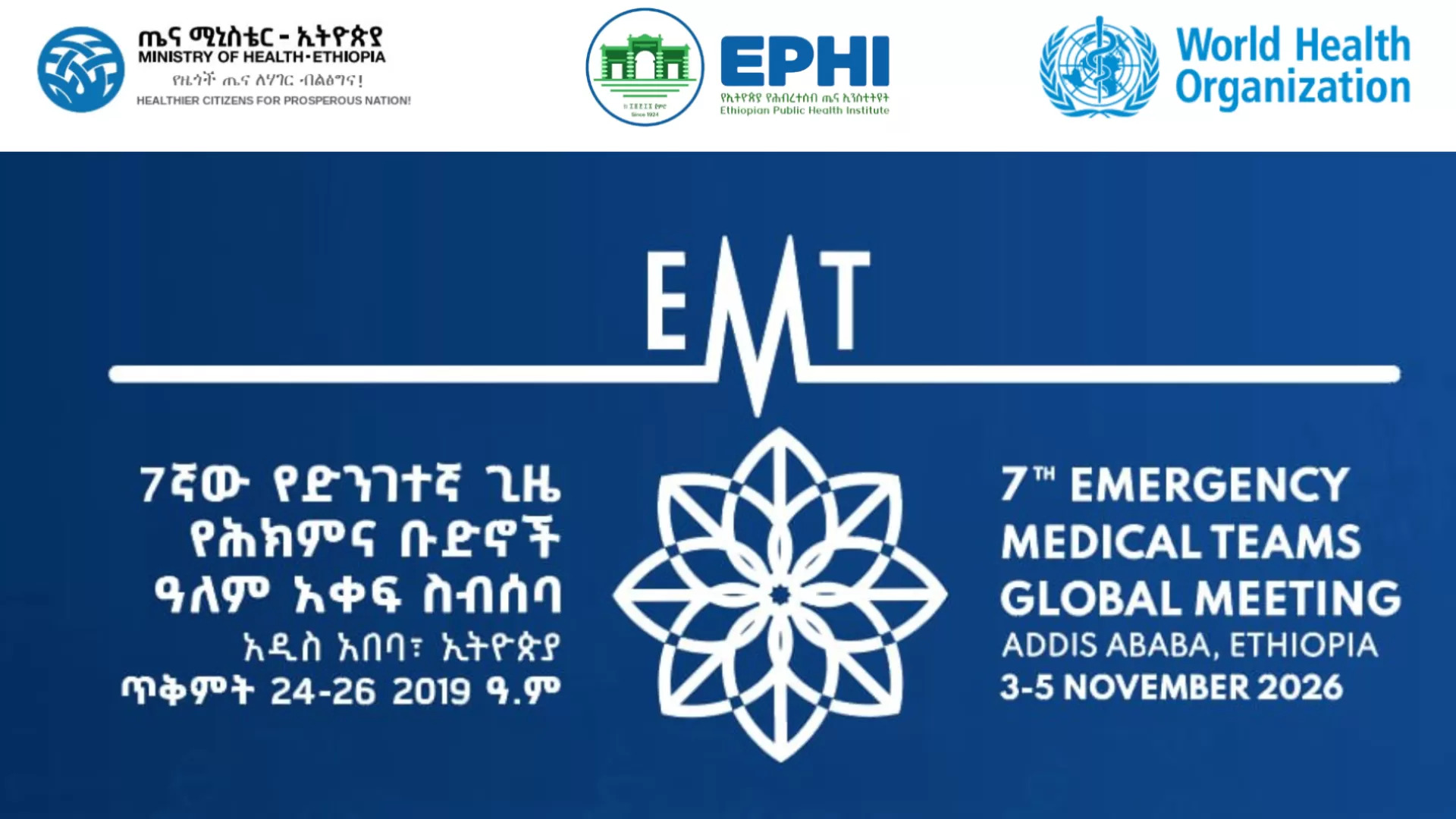
Ethiopia is taking centre stage in global health emergency preparedness as it hosts the seventh Emergency Medical Teams (EMT) Global Meeting from November 3 to 5, 2026, marking the first time the international gathering has been held in the World Health Organization (WHO) African Region.
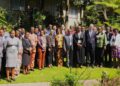
The meeting brings together more than 800 participants representing over 100 countries, including government officials, healthcare professionals, researchers and humanitarian organizations, to discuss how countries can strengthen their ability to deliver timely and quality medical care during emergencies.
Cassava Technologies Expands Access to Anthropic’s Claude AI Across Africa Through Amazon Bedrock
Hosted by the Government of Ethiopia in collaboration with the World Health Organization (WHO), with support from Macao SAR and the Robert Koch Institute, the gathering comes at a time when health emergencies, infectious disease outbreaks, natural disasters and humanitarian crises continue to place pressure on healthcare systems across the world.
Discussions are guided by the EMT 2030 Strategy and focus on sustainable financing, international quality standards, operational readiness and stronger cooperation between countries. The objective is to build nationally led emergency medical teams capable of responding rapidly while supporting existing health services.
Emergency Medical Teams are specialized groups of doctors, nurses and other healthcare professionals equipped to provide medical assistance during disease outbreaks, natural disasters, conflicts and other humanitarian emergencies. They operate under the coordination of affected national authorities and follow internationally agreed standards designed to ensure safe and effective medical care.
For Africa, strengthening these teams represents an important investment in health security and the continent’s capacity to manage emergencies without relying exclusively on external assistance.
Ethiopia’s own progress reflects this ambition. In September 2026, the country’s national Emergency Medical Team achieved WHO international classification following an assessment of its clinical services, logistics and operational readiness against established international standards.
Across the WHO African Region, 30 countries are currently developing national emergency medical team capacities, supported by the Regional Framework on Emergency Medical Teams 2026–2030. This initiative aims to strengthen national preparedness, improve coordination and establish more reliable systems for deploying medical personnel during crises.
Addis Ababa is also becoming an important centre for regional expertise through the Regional EMT Training and Knowledge Hub, which provides opportunities for professional training, simulation exercises and the exchange of experience among countries. WHO supports these efforts through technical guidance, mentoring and readiness assessments.
Building an effective emergency medical team requires more than recruiting healthcare professionals. Countries must establish sustainable financing arrangements, ensure that trained personnel can be released from their regular duties when emergencies arise, maintain essential medical equipment and organize reliable transportation and deployment systems.
These practical challenges are among the issues being addressed during the global meeting, allowing participating countries to exchange experiences and identify areas where international cooperation and investment can strengthen national response capabilities.
Professor Francis Chisaka Kasolo, WHO Representative to Ethiopia, emphasized the importance of developing strong national teams that can respond quickly and organize medical assistance according to local needs.
He noted that hosting the meeting in the African Region brings the continent’s experiences directly into global discussions and creates an opportunity to improve support for emergency teams before and during health crises.
The gathering also highlights the importance of sustained investment in healthcare personnel, training, logistics and institutional preparedness. Without reliable financing and regular operational exercises, even well-equipped teams may face difficulties when called upon to respond to major emergencies.
For African countries, the initiative carries broader significance. Strengthening national emergency medical capabilities can reduce response delays, improve access to essential healthcare during disasters and reinforce the resilience of health systems. It can also encourage greater regional cooperation, enabling countries to share expertise and coordinate assistance when emergencies exceed national capacities.
As Africa continues to confront infectious disease outbreaks, climate-related disasters and humanitarian emergencies, developing a skilled and properly equipped emergency health workforce remains essential to protecting lives and safeguarding development gains.
Ethiopia’s hosting of the first EMT Global Meeting on the continent therefore represents an important milestone in Africa’s participation in international health preparedness and emergency response. More importantly, it places national capacity, regional collaboration and sustainable investment at the centre of discussions about how the continent can better prepare for the next health emergency.