Malawi has achieved 100% administrative coverage in a second-dose Oral Cholera Vaccine (OCV) campaign in Blantyre, marking an important milestone in efforts to strengthen long-term protection against cholera and prevent future outbreaks.
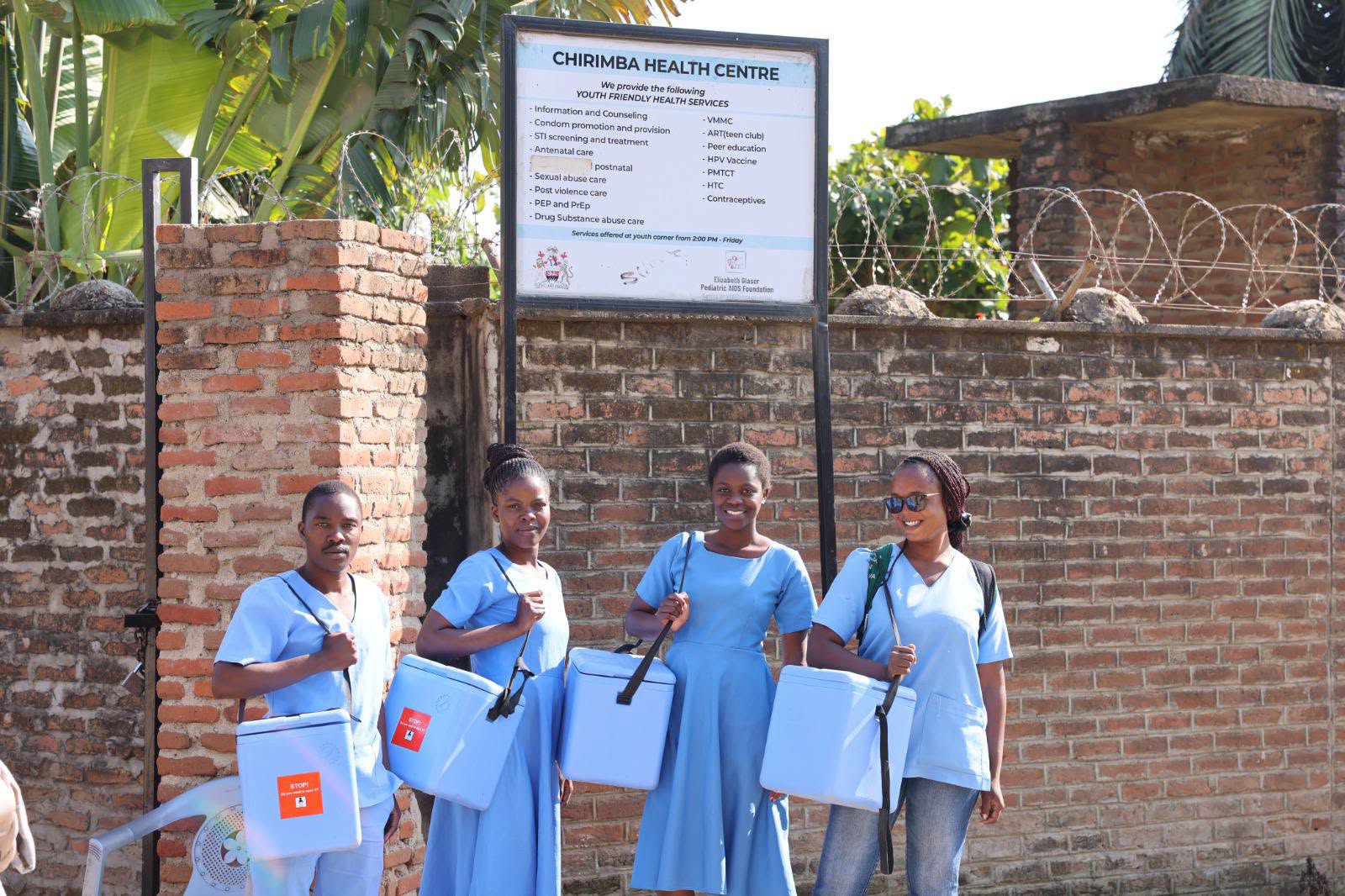
The campaign, conducted in August 2026, reached 186,108 people across five Priority Areas for Multisectoral Interventions (PAMIs): Chemusa, Chirimba, Chilobwe, Suya and Mpemba. It targeted communities that had previously received vaccination during the 2025–2026 cholera outbreak, providing a second dose to reinforce and extend their immunity.
Middle East Tensions Rise Amid Potential US Strikes on Iran and Escalating Fighting in Yemen
Unlike earlier emergency vaccination activities, which primarily focused on interrupting transmission during the outbreak, the Blantyre initiative was designed to establish more sustainable protection among populations facing persistent exposure risks.
The campaign represented the third phase of Malawi’s oral cholera vaccination response, demonstrating a strategic shift towards preventive public health interventions rather than relying exclusively on emergency measures once infections begin spreading.
The World Health Organization (WHO) provided technical and operational support throughout the initiative, assisting the Ministry of Health with campaign planning, readiness assessments, vaccine deployment, logistics coordination, supervision and monitoring. It also mobilized US$120,933 to support implementation, alongside strengthening community engagement, immunization safety preparedness and real-time monitoring systems.
Community participation played a central role in achieving the campaign’s results. Traditional and religious leaders, local authorities and community volunteers worked alongside healthcare teams to raise awareness, address concerns and encourage residents to complete their vaccination schedules. Their involvement helped strengthen public confidence and ownership of the prevention initiative.
Beyond vaccination, WHO supported post-campaign coverage surveys to generate evidence that can guide future interventions and improve long-term planning for communities vulnerable to cholera transmission.
The results were reflected in the country’s epidemiological progress. Following the oral cholera vaccination interventions, reported transmission declined steadily, with fewer major surges in cases. On 31 August 2026, Malawi’s Ministry of Health officially declared the end of the cholera outbreak.
The achievement highlights the importance of combining government leadership, international technical assistance and community participation in building resilient public health systems. It also demonstrates how preventive vaccination can complement surveillance, public awareness and broader health interventions in reducing the risk of recurring outbreaks.
For Malawi, the Blantyre campaign represents more than a successful vaccination exercise. It signals progress towards a more proactive approach to disease prevention, protecting vulnerable populations before the next public health emergency emerges.
As countries across Africa continue to confront infectious disease threats, Malawi’s experience offers an important example of how sustained investment in prevention can strengthen community resilience and advance the continent’s broader ambition of eliminating cholera as a public health threat.