Africa is turning greater attention toward one of its most valuable but often under-recognized assets: the living agricultural systems that have sustained communities, protected biodiversity and carried traditional knowledge across generations.
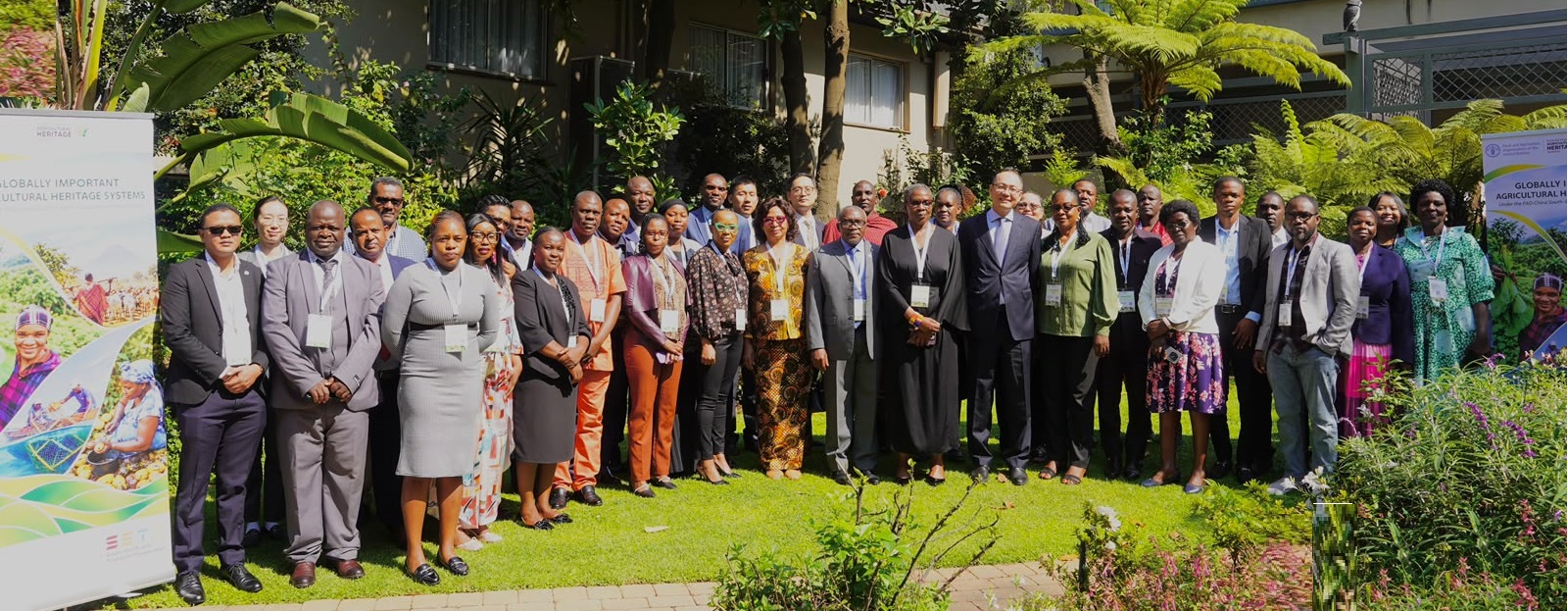
Representatives from 16 African countries are meeting in Johannesburg from September 28 to 30 for a regional capacity-building workshop focused on Globally Important Agricultural Heritage Systems (GIAHS). Organized by the Food and Agriculture Organization of the United Nations (FAO), through its GIAHS Secretariat, with support from the FAO–China South-South and Triangular Cooperation Programme, the gathering is designed to help countries move from identifying agricultural heritage to developing concrete proposals, conservation plans, partnerships and financing.
Moyale Hospital Strengthens Safer Healthcare With New WASH and IPC Facilities
Officials and experts from Botswana, Eswatini, Ethiopia, The Gambia, Ghana, Kenya, Lesotho, Liberia, Malawi, Mozambique, Namibia, Nigeria, South Africa, Tanzania, Zambia and Zimbabwe are participating alongside community representatives, researchers, civil society organizations and FAO personnel.
The focus reflects the breadth of Africa’s agricultural heritage. Across the continent, farmers, pastoralists, Indigenous Peoples, fisherfolk and rural communities have developed systems that connect food production with biodiversity, traditional knowledge, cultural identity and the sustainable management of land, water, forests and other natural resources.
These systems remain relevant to contemporary challenges, supporting livelihoods and food security while contributing to ecosystem services and climate resilience.
FAO Subregional Coordinator for Southern Africa Patrice Talla said the GIAHS approach should reinforce these living systems rather than unnecessarily transform them. The objective, he said, is to protect the conditions that allow communities to maintain their systems while supporting locally driven adaptation when climate, economic, demographic or institutional pressures threaten their future.
Yet the scale of Africa’s agricultural heritage is not reflected in the continent’s current number of officially designated GIAHS sites. Only four African sites have received formal designation under the programme, highlighting the need for greater awareness, stronger institutional coordination, technical expertise and investment to help countries develop potential nominations.
Community participation is central to that effort. The workshop emphasizes that agricultural heritage cannot be separated from the people who have maintained, adapted and transmitted it over generations. Their knowledge, priorities, institutions, participation and consent are therefore important elements of future GIAHS proposals and conservation plans.
South Africa’s Department of Forestry, Fisheries and the Environment welcomed the gathering as an opportunity to strengthen community capacity and encourage knowledge-sharing across the continent. Chief Director Morongoa Leseke urged participants to exchange ideas and build partnerships across sectors and national borders.
The workshop also highlights the role of South-South cooperation. China’s support through the FAO–China programme is providing participating countries with opportunities to exchange practical experiences and explore approaches that can be adapted to different African communities and ecosystems.
Du Lei, Counsellor at the Embassy of China in South Africa, said agricultural heritage and traditional ecological knowledge can offer valuable insights for sustainable agricultural development, while emphasizing China’s readiness to cooperate with African countries and FAO.
The Johannesburg meeting is structured around practical outcomes. Participants are examining the GIAHS designation process and its five interconnected assessment criteria, while working in thematic groups covering pastoralism and livestock, agriculture and agroforestry, and fisheries and watersheds.
The sessions are helping countries assess the global significance of potential heritage systems, document traditional practices, define system boundaries and interactions, identify threats and stakeholders, and develop elements of nomination proposals and five-year Dynamic Conservation Action Plans.
Financing is also a major part of the agenda. Participants are exploring opportunities involving the Green Climate Fund, FAO’s Technical Cooperation Programme and the Global Environment Facility, alongside broader strategies for mobilizing partnerships and resources.
For Africa, the process goes beyond securing international recognition. As Talla emphasized, designation is only the beginning. Long-term protection requires effective policies, institutions, knowledge, partnerships and financing capable of supporting communities and the systems they have preserved.
By the conclusion of the Johannesburg workshop, participating countries are expected to have strengthened their capacity to identify agricultural heritage systems, prepare GIAHS nominations and conservation plans, and connect those plans with potential technical and financial partners.
The initiative places Africa’s communities at the centre of a broader conversation about sustainable agriculture: one in which ancestral knowledge, modern innovation and international cooperation can work together to protect the continent’s agricultural heritage while keeping it productive and relevant for future generations.