A long standing partnership between an international medical charity and local healthcare providers in Madagascar is transforming the treatment of children born with clubfoot, a congenital condition that can lead to permanent disability if left untreated. Through sustained training and mentorship, Malagasy clinicians are increasingly able to provide high quality care independently, marking a significant shift toward self reliance in the country’s healthcare system.
Clubfoot is a condition present at birth in which one or both feet are twisted inward and downward. Without early and appropriate treatment, children may face lifelong mobility challenges, social exclusion, and limited access to education and employment opportunities. In many low and middle income countries, access to specialized orthopedic care has historically been limited, making such conditions more difficult to treat effectively.
Sierra Leone Joins AEW 2026 to Spotlight Offshore Oil and Gas Ambitions
In Madagascar, efforts to address this gap have been underway for more than a decade. A key turning point came in 2015, when a specialized clinic based on the Ponseti method was established at Hospital Analakininina in the coastal city of Toamasina. The initiative was supported by Mercy Ships, which worked alongside Malagasy healthcare professionals to introduce standardized treatment protocols and provide hands on training.
The Ponseti method, widely recognized as the global standard for treating clubfoot, involves a series of carefully applied casts that gradually reposition the foot, followed in some cases by a minor surgical procedure and the use of braces to maintain correction. Clinical studies have shown that the method is highly effective, with success rates of around ninety percent when properly administered.
Over the years, the initial training provided by international specialists has evolved into a more sustainable model centered on local expertise. Malagasy clinicians who were trained during the early stages of the program are now leading treatment efforts, mentoring new colleagues, and expanding access to care for patients across the region.
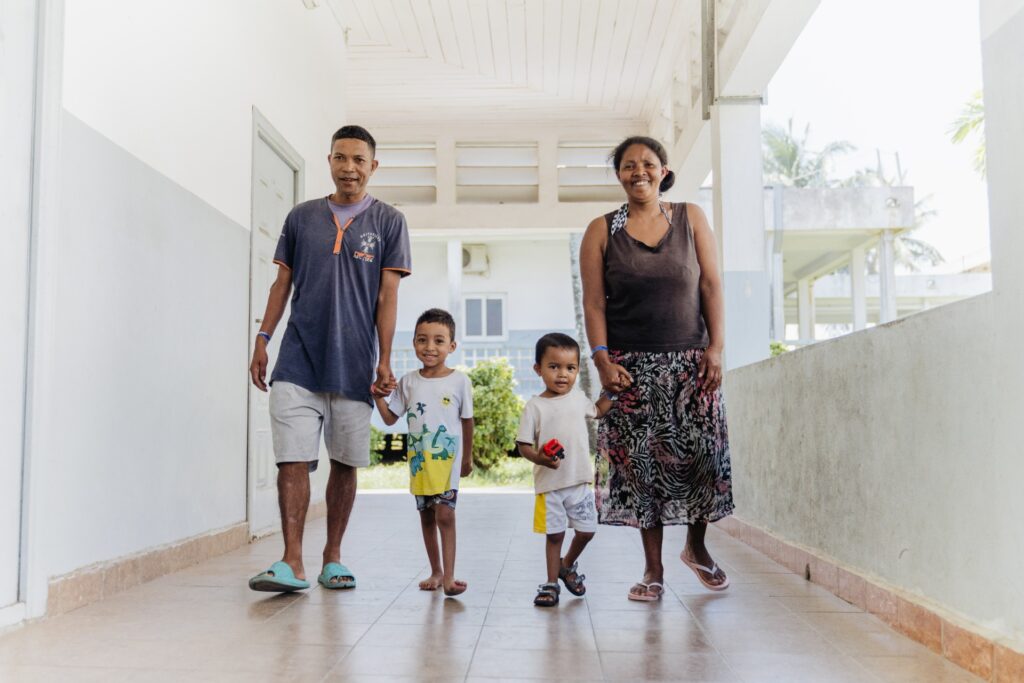
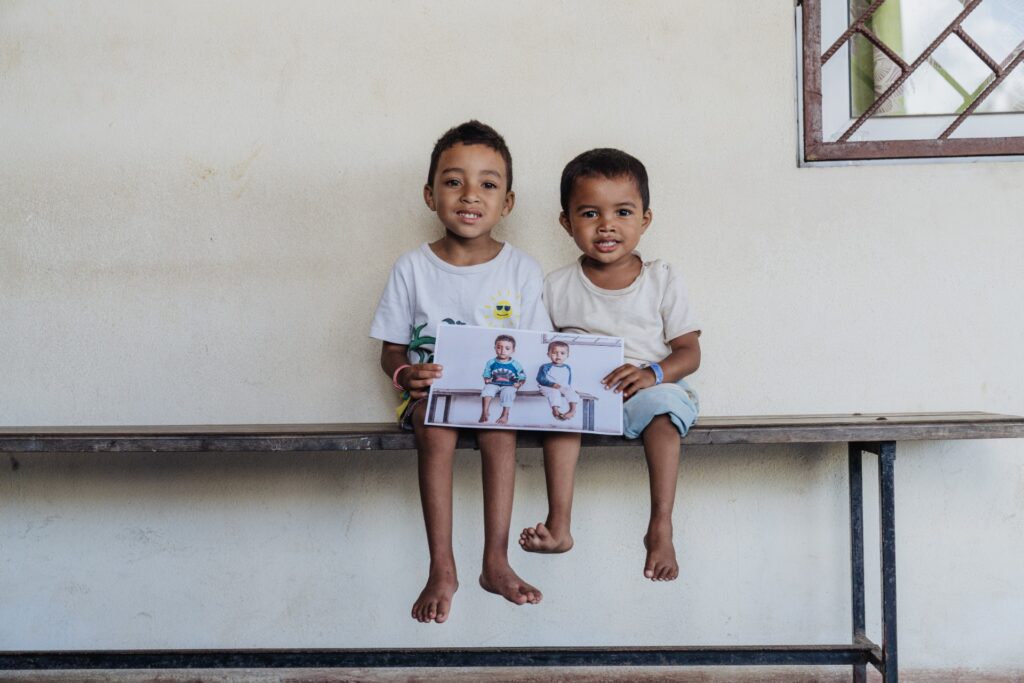
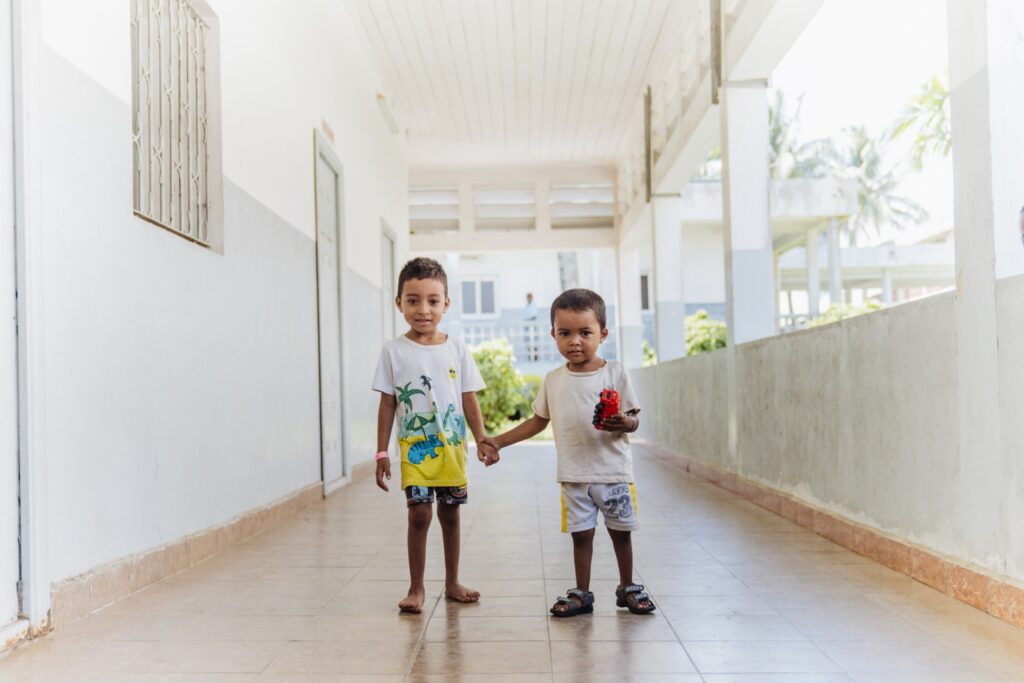
The experiences of two young brothers, Fanirisoa and Vonjy, illustrate both the progress achieved and the continuing evolution of the program. Both children were born with clubfoot and received treatment at Hospital Analakininina, yet their care reflects different phases of the initiative.
Vonjy, the younger of the two, was treated entirely by Malagasy clinicians who had been trained through earlier programs. His successful outcome demonstrates the growing confidence and competence of local medical teams. Fanirisoa, his older brother, received care as part of a more recent mentoring initiative designed to address complex cases and further strengthen the skills of healthcare providers.
These mentoring efforts remain an important component of the partnership. Visiting specialists continue to work alongside local teams, offering advanced training and guidance in both clinical decision making and surgical techniques. This collaborative approach ensures that knowledge is continuously updated while reinforcing the independence of local practitioners.
Among those contributing to this effort is Dr Rachel Buckingham, an orthopedic surgeon from the United Kingdom who volunteered her time to support the program. Working directly in the operating room, she assisted in training Malagasy surgeons in precise procedures used in the treatment of clubfoot, helping to refine their skills and build confidence in handling more advanced cases.
She emphasized that the long term objective extends beyond immediate patient care. The aim is to create a healthcare system in which local professionals possess the expertise to train others, reducing the need for external support over time and ensuring that treatment remains accessible to future generations.
For families, the impact of this work is profound. The father of Fanirisoa and Vonjy described the transformation in his children’s lives after receiving treatment. Before intervention, the condition posed the risk of lifelong hardship. After treatment, both children are able to stand upright, walk without pain, and participate fully in everyday activities.
Their recovery reflects not only medical success but also a broader social benefit. Children who receive timely treatment are more likely to attend school, engage with their communities, and pursue opportunities that would otherwise be out of reach. In this way, addressing a single medical condition can have far reaching effects on quality of life and long term development.
The progress seen in Toamasina is part of a wider shift in global health strategies. Increasingly, international organizations are focusing on building local capacity rather than providing short term interventions. By investing in training, education, and systems development, such programs aim to create lasting improvements that continue long after external partners step back.

In Madagascar, this approach is yielding tangible results. A growing network of trained clinicians is expanding access to treatment, while ongoing mentorship ensures that standards of care continue to improve. Hospitals that once relied heavily on external expertise are becoming centers of knowledge and training in their own right. Challenges remain, including the need to reach patients in remote areas and to ensure consistent access to medical supplies and follow up care. However, the foundation established over the past decade provides a strong platform for further progress.
As Fanirisoa and Vonjy take steps without pain, their stories embody both the human impact of medical care and the success of a long term vision centered on empowerment and sustainability. Their journey reflects a broader transformation within Madagascar’s healthcare system, where investment in knowledge and skills is helping to change lives and shape a more resilient future.