
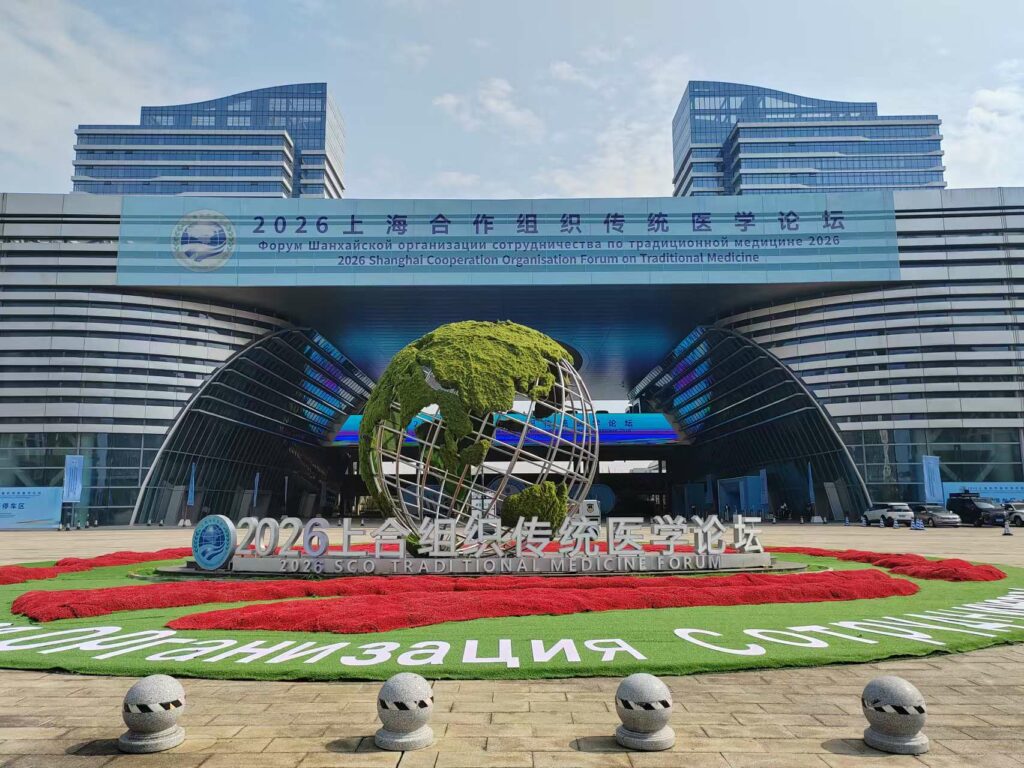
Traditional medicine is taking a new step into the digital age as the 2026 Shanghai Cooperation Organization (SCO) Forum on Traditional Medicine opens in Nanchang, bringing health officials, researchers and international representatives together to explore how traditional healthcare practices can work alongside modern technology.
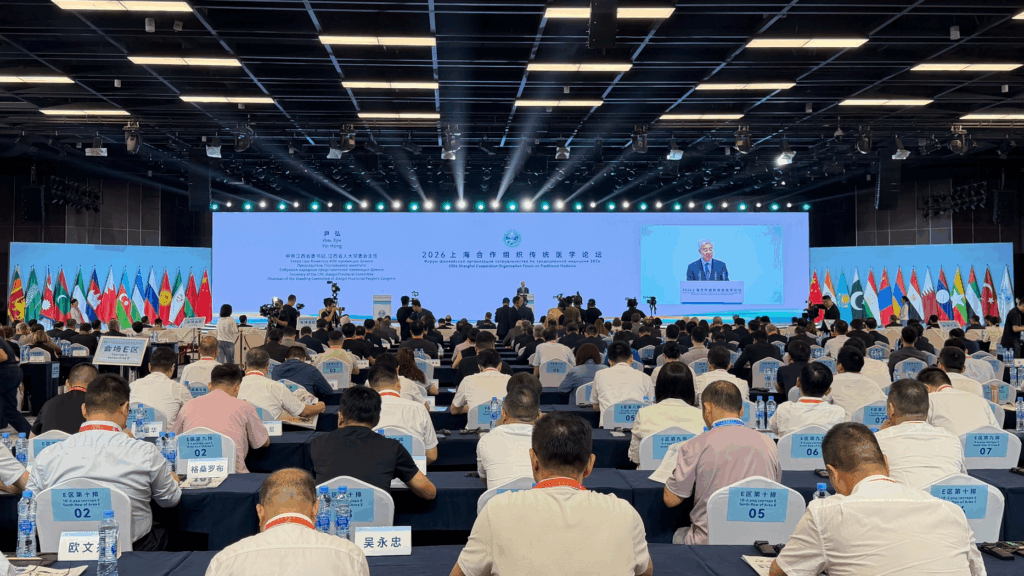
The three-day forum, held from September 16 to 18 in Jiangxi Province, attracted a record 81 delegates from 21 countries, including Sri Lanka, Belarus, India and Kazakhstan. Participants include senior government officials, health ministers, diplomats and representatives from organisations including the SCO Secretariat and the World Federation of Chinese Medicine Societies.
Herbert Mensah Joins ACG Board to Boost Africa’s Sports Economy
The growing international participation reflects an expanding discussion around traditional medicine, with the forum placing greater emphasis on practical cooperation, shared standards and institutional collaboration alongside academic exchange.
Technology is one of the central themes of this year’s meeting. A special session is showcasing new policies, standards, technologies and products, including AI-assisted diagnostic tools and intelligent systems for herbal processing.
The programme is designed to connect traditional medical knowledge with emerging technologies while exploring areas such as standards recognition, research cooperation and the commercialisation of healthcare products.
Jiangxi is also presenting its experience in developing traditional Chinese medicine services. Provincial officials said the sector generated 27.9 billion yuan, equivalent to about $3.93 billion, while the province has established 3,146 traditional Chinese medicine institutions.
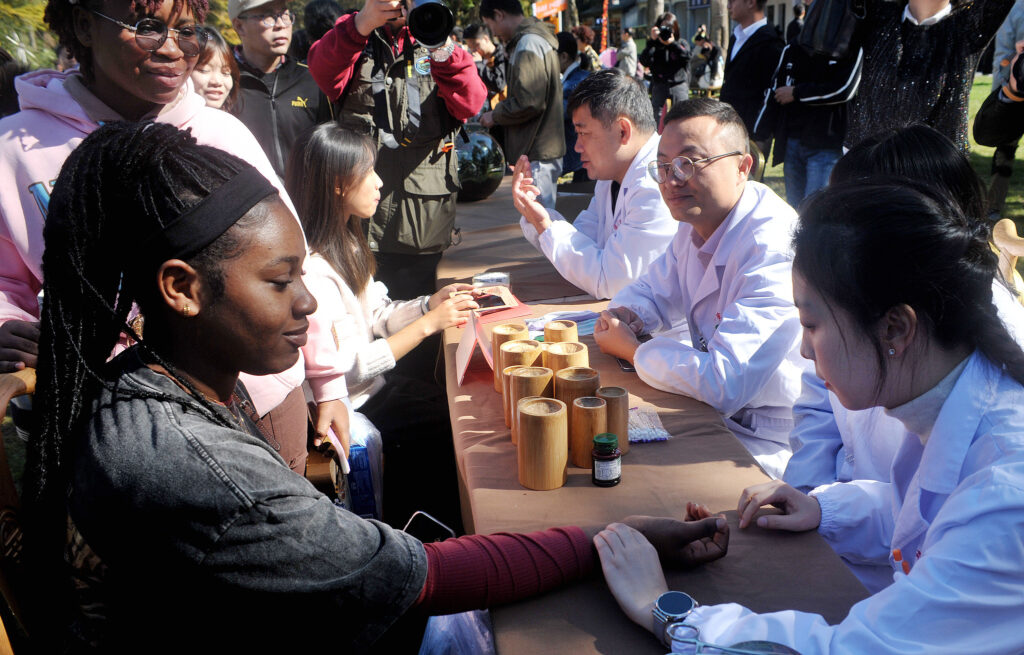
Officials also highlighted Jiangxi’s “15-minute TCM healthcare service circle”, an approach intended to improve residents’ access to traditional medicine services within their local communities.
Yin Hong, secretary of the Communist Party of China Jiangxi Provincial Committee and chairman of the Standing Committee of the Jiangxi Provincial People’s Congress, said digital technologies could provide new opportunities for traditional Chinese medicine, including smart healthcare services and AI-supported diagnostics.
The forum also comes as the SCO marks its 25th anniversary. Organisers say the organisation’s growing focus on artificial intelligence and the digital economy provides additional opportunities for traditional medicine to explore digital applications and wider international accessibility.
Shen Yueyue, vice-chairperson of the National Committee of the Chinese People’s Political Consultative Conference and chairperson of the Good-Neighborliness, Friendship and Cooperation Commission of the SCO, said the forum has developed into an important platform for policy dialogue since its launch in 2020.
Five previous sessions have helped establish cooperation frameworks including the Nanchang Initiative and the Nanchang Consensus, according to organisers.
Beyond policy discussions, the 2026 programme includes sessions on international education standards, cross-regional medical supply chains and traditional medicine industries. Exhibitions are showcasing traditional medical practices alongside digital healthcare technologies, including thermal moxibustion robots.
Delegates are also visiting research laboratories, pharmaceutical companies and medical institutions across Jiangxi to examine research, manufacturing and healthcare applications.
The forum highlights a broader global conversation about how traditional medical knowledge can be researched, standardised and integrated with modern healthcare systems. For countries across Asia, Africa and other regions where traditional medicine remains an important part of community healthcare, discussions around evidence, training, technology and accessibility could provide opportunities for further knowledge exchange.
As healthcare systems increasingly explore digital tools and new approaches to prevention and treatment, the Nanchang forum is positioning traditional medicine within a wider conversation about innovation, international cooperation and the future of global health.