As the Africa Cup of Nations draws crowds to stadiums across Morocco, the rhythms of the tournament are being echoed beyond the pitch. In Rabat, the country’s National Handicrafts Week is offering a parallel celebration, one rooted not in competition but in creativity, memory and shared African heritage.
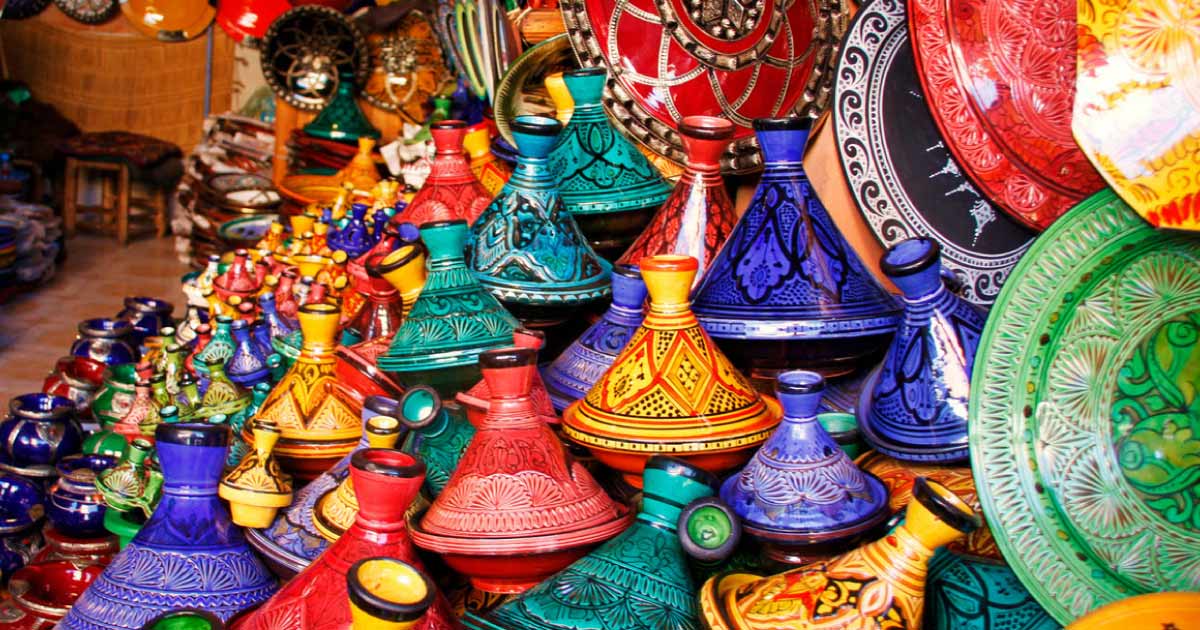
Held in the capital, the exhibition brings together football-inspired works of art and traditional Moroccan craftsmanship, weaving sport into a broader cultural narrative. Intricately worked metal, carved wood, handwoven textiles and finely detailed jewellery stand alongside artistic tributes to football, highlighting how both craft and sport have long served as expressions of identity across the continent.
AI Music Breaks Boundaries in 2025: Hits, Deals, Studios, and Rising Stars
“Culture and football speak the same language,” said Mehdi Kotbi, president of the National Foundation of Museums. For him, the coincidence of the two events is symbolic. “Morocco beats in the heart of Africa, and Africa beats in the heart of Morocco,” he said, describing culture as a space of connection at a time when global headlines are dominated by crisis and division. “We need joy, we need celebration, and we need fraternity.”
The exhibition also extends beyond national borders, reflecting Morocco’s role as a crossroads for African exchange. Artists from across the continent are taking part, including Senegalese painter Zulu Mbaye, who sees cultural cooperation as essential for Africa’s future. “It is time for countries of the South to rely on themselves and build dialogue with one another,” he said. “If we do not do it, no one else will.”
While the displays honour tradition, they also underline the contemporary relevance of craftsmanship in Morocco. Long supported by government policy, the handicraft sector remains a cornerstone of the national economy. It generates an estimated $14 billion in annual revenue and provides employment for more than 2.3 million people, many of them working in small, family-run workshops where skills are passed down through generations.
Moroccan handcrafted goods continue to attract growing international demand. The United States is currently the largest export market, followed by France and Turkey, a reflection of the global appetite for products that combine authenticity with artisanal expertise.
National Handicrafts Week runs until 18 January, closing on the same day the Africa Cup of Nations final crowns a champion. Together, the two events offer different but complementary visions of African excellence: one measured in goals and trophies, the other in patience, skill and the enduring power of cultural heritage.