
Africanian
  • Home
  • News
  • News 24/7
  • Business
  • Sports
  • World
    • US
    • Russia
    • Europe
    • Asia
    • America
  • Events
No Result
View All Result
Africanian
  • Home
  • News
  • News 24/7
  • Business
  • Sports
  • World
    • US
    • Russia
    • Europe
    • Asia
    • America
  • Events
No Result
View All Result
Africanian
Home Travel Destinations

Wild Lion Population Dwindling as 90% Disappear From Historical Habitat

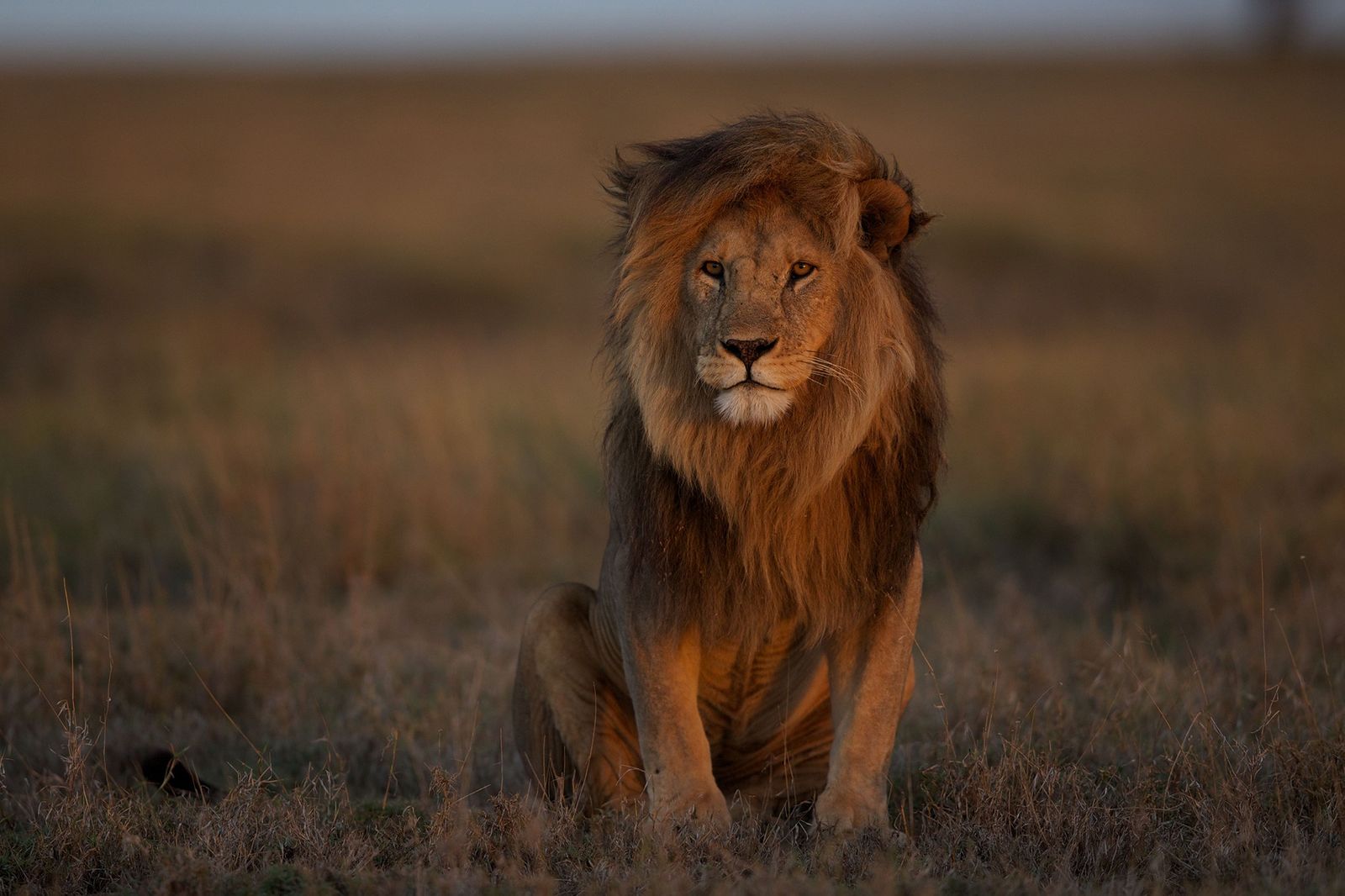
The majestic lions of Kenya's national parks are a species living on the edge.

Wild Lion Population Dwindling as 90% Disappear From Historical Habitat
Share on FacebookShare on TwitterShare via Whatsapp

The edge of diminishing ecosystems, locked in a conflict with humans, whilst also threatened by wildfires and climate change. Humans and lions are engaged in a battle for resources.

Read More: Nurturing Future Generations Through Breastfeeding
The killing of 10 lions in one week in May this year at Kenya’s Amboseli National Park once again highlighted an increase in human-wildlife conflict.

In some areas of Kenya, lion populations overlap with human settlements and livestock grazing areas leading to negative interaction and conflicts that often result in economic losses, threats to human life and conservation challenges. The building of infrastructure has also worsened the problem.

To guard their herds against predators, the farmers often resort to drastic measures such as spearing and the use of potent pesticides in a bid to kill the iconic species. According to the International Fund for Animal Welfare, the recent drought witnessed in Kenya led to the deaths of thousands of wildlife in ecosystems such as the Amboseli.

Read More: Empowering African Leaders – The Mandela Washington Fellowship Experience

The drought was described as the worst in 40 years and was marked by minimal rainfall. Approximately 6,093 animals were lost between June and November 2022.

The drought led to the loss of grasslands that attract prey that would then serve as a source of food for lions. If their prey is no longer present, they will turn their attention to livestock, and conflict with local people follows.

Wildfires have also been identified as a contributing factor in the loss of valuable rangelands. In 2020, the Tsavo ecosystem experienced wildfires that led loss of wildlife as well as their rangelands.

Read More: Nurturing Future Generations Through Breastfeeding

Scientists emphasize on the need for long-term solutions to address the impacts of habitat loss. The World Wildlife Fund reports that there may be as few as 23,000 wild lions left, with lions disappearing from over 90% of their historical habitats.


RelatedPosts

Mali Moves Key Legal Documents Online, Streamlining Public Services

Mali Moves Key Legal Documents Online, Streamlining Public Services

February 14, 2026
Moov Africa Burkina Breaks Ground on New Headquarters in Ouagadougou

Moov Africa Burkina Breaks Ground on New Headquarters in Ouagadougou

February 4, 2026
MTN Ghana Commits $2 Million to Train a New Generation of Coders

MTN Ghana Commits $2 Million to Train a New Generation of Coders

February 2, 2026
Mozambique Deploys Drones to Guide Rescues as Floods Ravage the South

Mozambique Deploys Drones to Guide Rescues as Floods Ravage the South

January 31, 2026
Morocco Advances Climate Transition as AfDB Awards $1m Green Finance Grant

Morocco Advances Climate Transition as AfDB Awards $1m Green Finance Grant

January 31, 2026
Madagascar Launches Free 15-Month Digital Skills Training for 1,300 Youth

Madagascar Launches Free 15-Month Digital Skills Training for 1,300 Youth

January 30, 2026
South Africa Expands Digital Access for Learners With New Computer Lab

South Africa Expands Digital Access for Learners With New Computer Lab

January 29, 2026
Egypt Brings Free Tech Training to Upper Egypt in Bid to Expand Opportunity

Egypt Brings Free Tech Training to Upper Egypt in Bid to Expand Opportunity

January 28, 2026
Nigeria Turns to Youth and Technology to Rebuild Farming for a Hotter Age

Nigeria Turns to Youth and Technology to Rebuild Farming for a Hotter Age

January 27, 2026
Africanian News Is a dedicated project aimed at amplifying the voices of the African Ecosystem and Diaspora. We actively collaborate with initiatives to improve access to education and digital inclusion, both in traditional schools and through digital platforms, for African children.

It’s crucial to emphasize that none of the articles or images featured on our platform are intended for copyright infringement, neither now nor in the future.
If you believe that any information, text, image, etc., may be subject to copyright and should be removed, please notify us by sending an email to: [email protected]

News Categories

  • Agriculture (3)
  • America (39)
  • Asia (131)
  • Business (1,247)
  • Culture (232)
  • Destinations (210)
  • Education (5)
  • Europe (154)
  • Food and Drink (14)
  • Guides & Tips (20)
  • Health (633)
  • Hotels (5)
  • Meetings and Tech (368)
  • News (2,563)
  • Opinion Piece (12)
  • Russia (73)
  • Science (62)
  • Sports (316)
  • Style (4)
  • Travel (145)
  • US (107)
  • World (425)

Your dreams matter; your stories matter.

Feel free to explore collaboration opportunities with us. Share your articles, thoughts, interviews, experiments, or no-comment videos by reaching out to [email protected].

You can also subscribe to our mailing list to receive the latest updates from Africanian News.

Newsletter

© 2025 Africanian News.

Log In

Sign In

Forgot password?

Don't have an account? Register

Forgot password?

Enter your account data and we will send you a link to reset your password.

Back to Login

Your password reset link appears to be invalid or expired.

Log in

Privacy Policy

Accept

Add to Collection

  • Public collection title

  • Private collection title

No Collections

Here you'll find all collections you've created before.

No Result
View All Result
  • Home
  • News
  • Business
  • Sports
  • Meetings and Tech
  • World

© 2025 Africanian News.