Facing some of the most severe flooding in recent memory, Mozambique has turned to drone technology to strengthen emergency response efforts as rising waters inundate communities, destroy infrastructure and isolate thousands of residents.
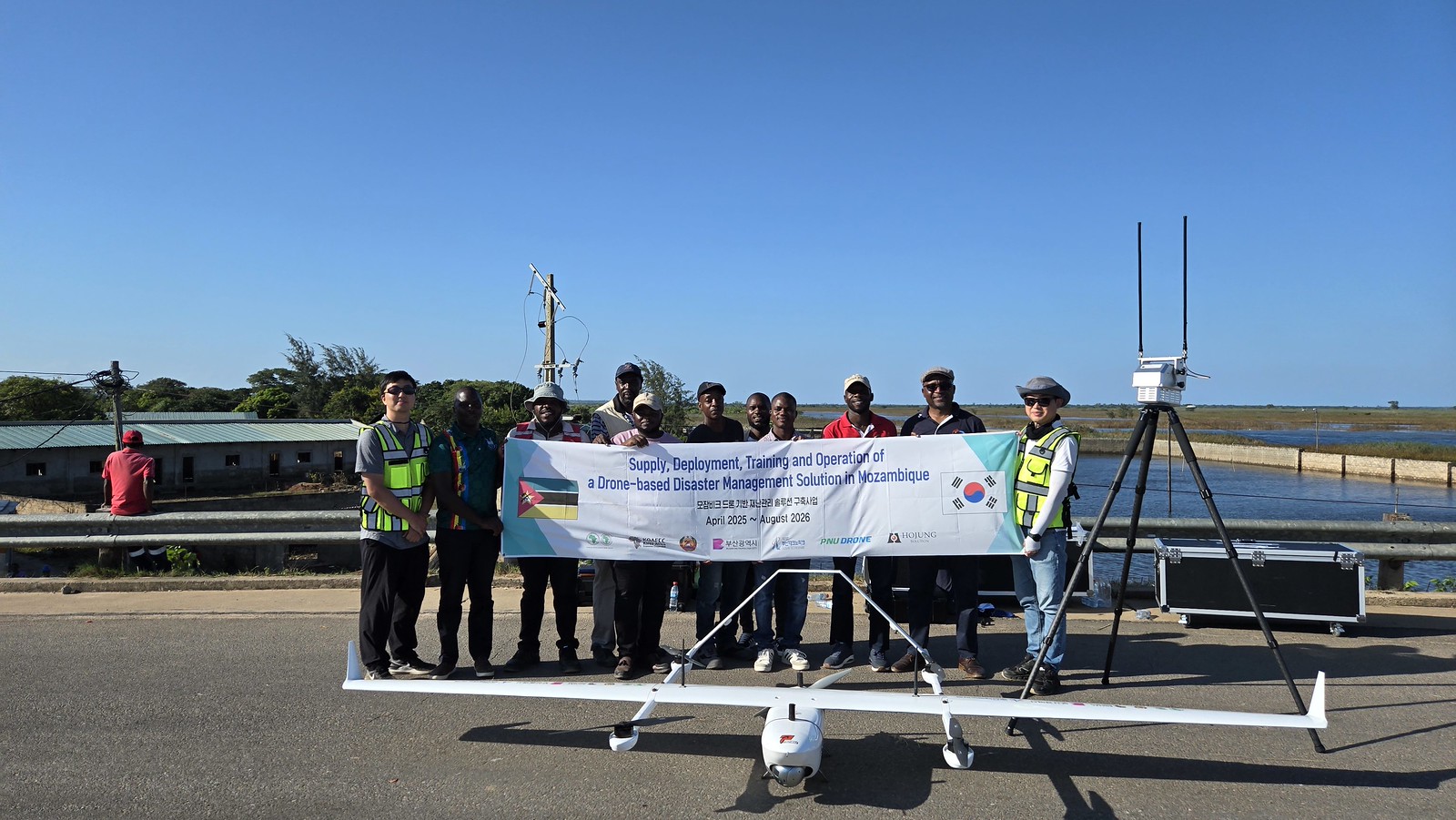
Search and rescue operations began this week using advanced drones financed by the African Development Bank Group through the Korea-Africa Economic Cooperation Trust Fund. The technology is being deployed with support from Korean experts and Mozambican teams trained to operate the equipment as part of a broader disaster preparedness initiative.
Equipped with high-resolution cameras and artificial intelligence capabilities, the drones are capturing real-time images of flooded areas, helping authorities identify people in need of rescue, assess damage to roads and buildings, and transmit live video to emergency command centers. The aerial data is converted into digital maps that guide rescue teams and support ongoing monitoring of high-risk zones.
Kenya Expands Geothermal Power to Strengthen Its Clean Energy Transition
Drone missions have focused on Gaza Province, one of the areas hardest hit by the floods. Districts including Chókwè and Guijá have seen extensive damage, while the provincial capital, Xai-Xai, is largely submerged. Flooded roads and collapsed infrastructure have cut off entire communities, making ground access difficult or impossible.
According to official figures, more than 692,000 people have been affected since early January, with at least 12 deaths reported. Over 1,300 kilometers of roads have been damaged, forcing authorities to delay the start of the school year. The floods have also killed more than 34,000 livestock and destroyed over 100,000 hectares of farmland, raising concerns about food security in the months ahead.
The drone operations form part of the Drone-Based Disaster Management Project launched in 2025 by the African Development Bank Group, the Mozambican government and Busan Technopark. The project established a national drone training center and introduced drone-based monitoring and emergency response across five flood-prone regions.
Although the emergency deployment was initially planned for 2026, the scale of the current crisis prompted the government to request an accelerated rollout. Coordination meetings held on January 26 brought together Mozambican authorities, Bank Group officials and Korean technical teams to initiate the response.
Twenty Mozambicans, including staff from disaster management agencies and security services, have completed drone training and are now flying missions alongside international specialists. To support long-term capacity, the project has donated nine drones to the government, enabling continued monitoring as climate risks evolve.
Officials say the integration of drone technology marks a shift in how Mozambique responds to climate-driven disasters. By combining advanced tools with local expertise, authorities aim to shorten response times, improve coordination and reduce loss of life during emergencies.
Beyond the immediate crisis, the initiative is also intended to strengthen national resilience. As extreme weather events become more frequent, the ability to deploy real-time data and rapid aerial assessments is increasingly seen as essential to protecting communities, infrastructure and livelihoods across the country.