Guinea is undergoing a profound transformation driven by major investments in infrastructure, agriculture, and energy that are reshaping its economy and improving the lives of thousands of families. New transport networks, agricultural development programs, and modernization projects are boosting trade, reinforcing food security, and opening opportunities for women, youth, and local entrepreneurs.
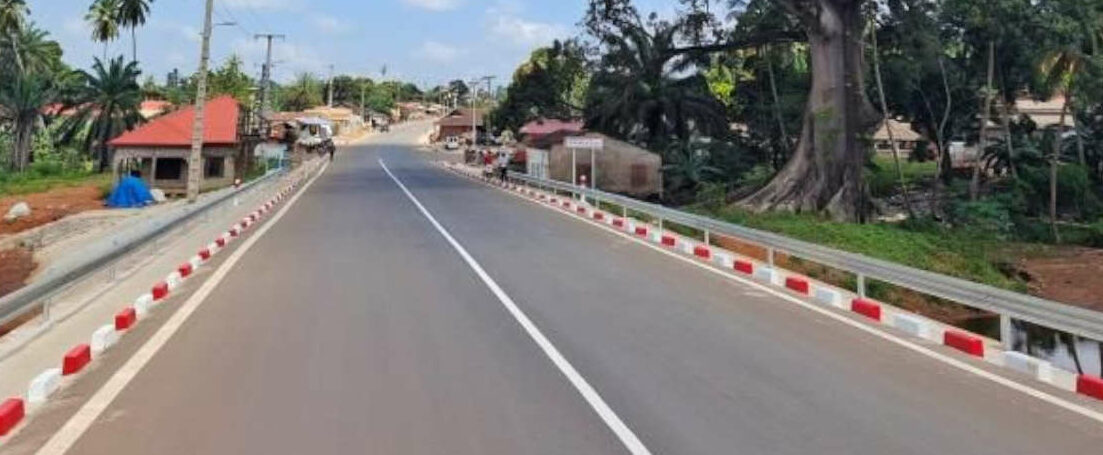
In the bustling Sambaya market of Forécariah, the changes are visible in everyday life. Under the midday sun, Moriba Touré unloads baskets of fresh tomatoes with a smile of satisfaction. Not long ago, half of his produce would spoil before reaching customers due to poorly maintained roads and transport delays. Today, however, thanks to the reconstruction of the Coyah-Farmoréah-Sierra Leone border road in 2023, the story is completely different. The 75-kilometer project, funded with $47 million by the African Development Bank (AfDB), has drastically improved delivery times, reduced losses, and revitalized trade between Guinea and its neighbors. “All the products arrive fresh now,” Touré explains proudly. “I earn more, I waste less, and I can supply my customers better than ever before.” His personal success is just one example of a larger transformation taking place across the country.
Africa: 6 transformative and impactful strategies by Guterres for sustainable development
Better roads have not only boosted profits for traders but also reduced transportation costs for everyone. Ousmane Keïta, director of transport in Farmoréah, highlights that fewer vehicle breakdowns have led to lower repair expenses and shorter travel times. The improvement has encouraged local and regional mobility, enabling merchants, farmers, and families to access markets and services more easily. In Maferinya, Léonard Touré notes that traffic has tripled since the road’s completion, describing how the community has become more connected and dynamic. “People move freely now, and business opportunities are multiplying,” he says.
Agriculture, one of Guinea’s most vital economic sectors, has also benefited significantly from these developments. The improved transport infrastructure has allowed farmers to distribute their products more efficiently, while large-scale projects supported by the African Development Bank have brought essential resources to rural communities. The Guinea Agricultural Transformation and Youth Agricultural Entrepreneurship Project, launched in 2018 with $11 million in funding, is helping women and young farmers gain access to financing, training, and tools that enhance productivity.
Guinea’s progress extends beyond roads and agriculture. The Electricity Network Interconnection Project connecting Côte d’Ivoire, Liberia, Sierra Leone, and Guinea, with $455.7 million invested since 2013, linked four national grids, benefiting over 27,000 households in 2022. The Industrial Development and SME Resilience Support Project, with $14 million since 2024, promotes local employment and economic growth. Meanwhile, the Agropastoral Development Digitalization and Market Access Support Project, with $28 million since 2023, digitizes the agricultural sector, easing marketing and training for young entrepreneurs. With an active portfolio of $1.2 billion and $500 million already invested, the African Development Bank Group is driving Guinea’s economic development and social transformation. Improvements in roads, electricity, and agriculture have reduced travel times, increased productivity, and strengthened food security.
Despite progress, challenges remain: limited equipment, funding gaps, and the need for increased agricultural mechanization. “It’s a team effort,” says Moriba Touré, acknowledging that Guinea’s advances are the result of cooperation among communities, authorities, and international partners. Projects funded by the African Development Bank have laid solid foundations for sustained growth, improving mobility, agricultural production, and access to essential services. While Guinea has made significant strides, the nation continues to work toward closing the infrastructure gap and achieving equitable, sustainable development.