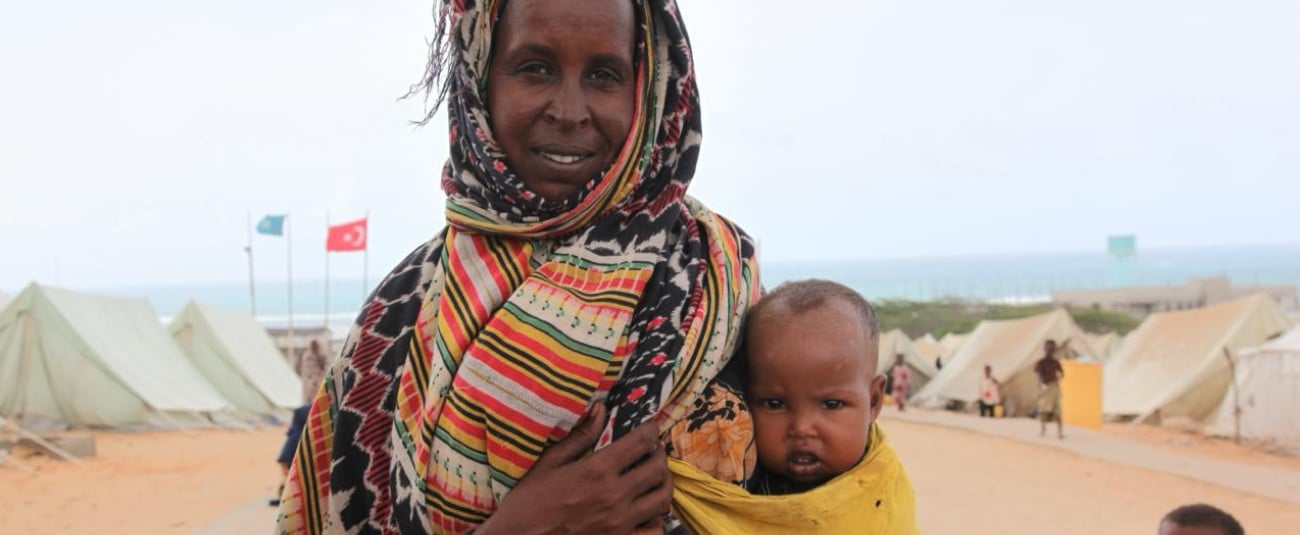
In one of the country’s most fragile border towns, Somalia has launched a transformative plan to improve the lives of more than 20,000 vulnerable households and offer meaningful integration to 128,000 internally displaced people. Backed by international funding, the initiative combines dignified housing, economic development and modern urban management to help rebuild a social fabric weakened by years of instability.
The project includes secure land allocation for 10,500 displaced people and the construction of 1,750 climate-resilient homes, marking a decisive shift for families who have spent years in informal settlements. It also prioritizes the installation of new drainage systems and the rehabilitation of irrigation channels to reduce flood risks and protect farmland—key measures for food security in a region increasingly affected by climate-related shocks.
Spain: Three women lead global innovation and communications at ReactID
In Doolow, women and young people make up the majority of the displaced population, and the project places them at the centre of economic recovery. Programmes offering vocational training, business support and start-up kits aim to generate new income-producing activities, while more than 150 Village Savings and Loan Associations will help women strengthen their financial autonomy. In parallel, around 4,500 households will have access to farmer field schools where they will learn climate-smart agricultural techniques to diversify their livelihoods.
“This project brings hope and stability to families who have endured years of uncertainty,” said Bubacarr Sankareh, Senior Operations Officer of the African Development Bank for Somalia. “By investing in housing, basic services and employment, people can rebuild their lives with dignity.”
Strengthening institutional capacity is another pillar of the project: more than 380 officials at federal, state and district levels will receive training in land administration, conflict mitigation and people-centred urban planning. The initiative forms part of Somalia’s National Action Plan for Solutions (2024–2029) and serves as the first nationwide effort to help one million Somalis move out of displacement through local integration.
“By investing in skills, safety and economic inclusion, we are breaking cycles of vulnerability and laying the foundation for lasting resilience,” Sankareh added. With this roadmap, Somalia envisions an urban future where displaced families not only find shelter but also new opportunities to lead their own recovery.