The West African Development Bank reported strong financial results for 2025 and unveiled an ambitious new five-year strategy that aims to significantly scale up development financing across West Africa, reinforcing its role as a key driver of regional growth.
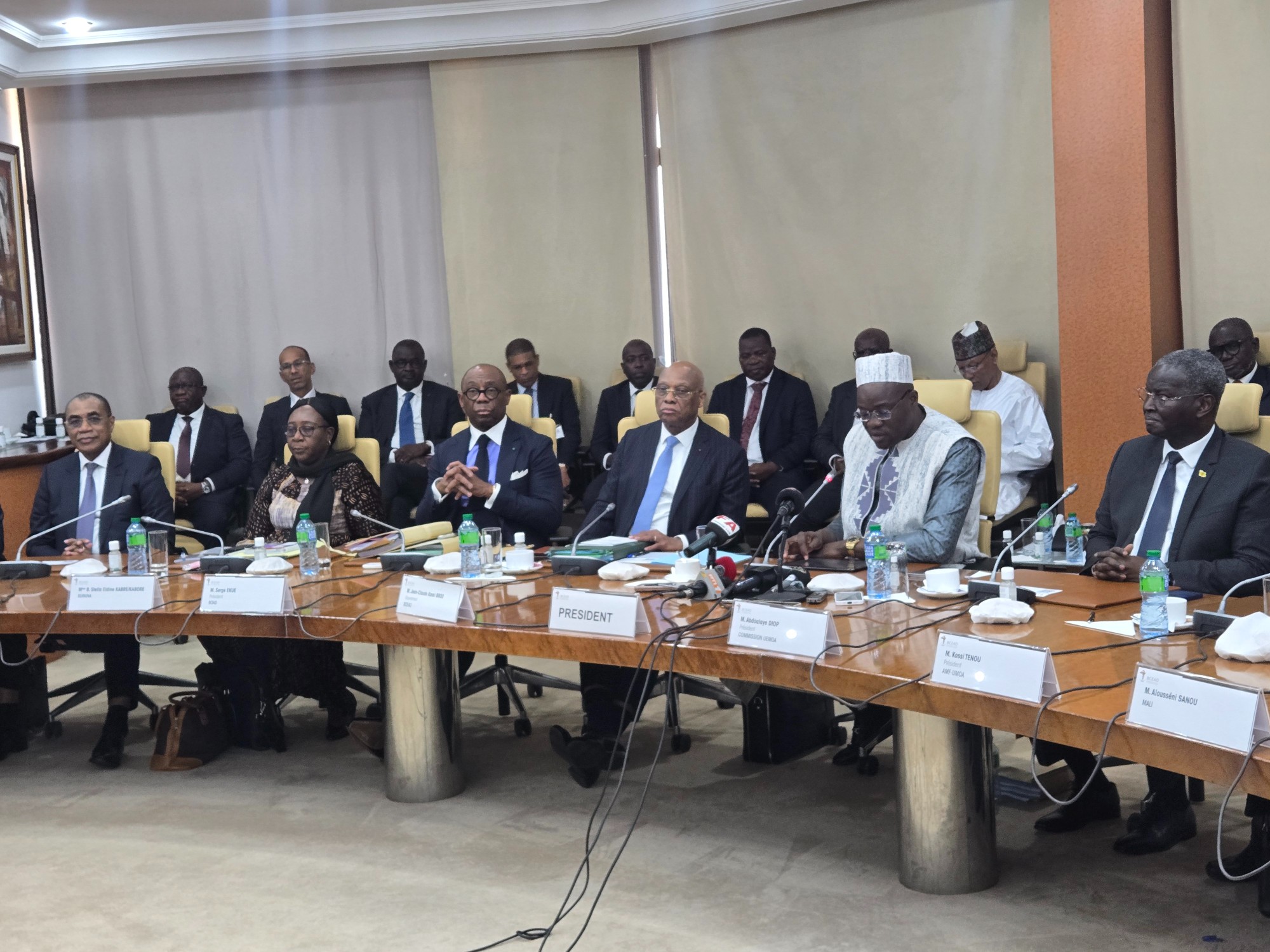
The announcements followed the bank’s 150th ordinary Board meeting held on March 25 and 26 in Dakar, chaired by its president, Serge Ekue, and the subsequent approval of its strategic proposals by the Council of Ministers of the West African Economic and Monetary Union.
Liquid Appoints New CEO to Lead Zambia Growth and Digital Expansion
The bank’s financial performance highlighted a year of sustained expansion. Total assets rose to 5,363 billion CFA francs, marking a 38 percent increase compared with 2024. Net profit reached 42.5 billion CFA francs, up roughly 8 percent, while equity strengthened to 1,780.5 billion CFA francs, representing more than one-third of the balance sheet.
The institution also retained its investment-grade credit ratings — Baa1 and BBB — signaling continued confidence from international investors at a time when many emerging markets face tighter financing conditions.
Building on this financial base, the bank launched its new strategic roadmap for 2026–2030, titled “Djoliba… The Next Step.” The plan sets a financing target of 6.5 trillion CFA francs, nearly double the scale of the previous five-year program.
To achieve this, the bank intends to mobilize 2.65 trillion CFA francs in loans, implement a securitization program valued at 1.1 trillion CFA francs and transition into a broader institutional structure as the “BOAD Group,” incorporating specialized entities. As part of its latest approvals, the board authorized 17 new projects totaling 501.6 billion CFA francs, spanning sectors central to economic development in the region.
In agriculture, the bank is supporting irrigation and dam construction in Côte d’Ivoire to improve food security and cross-border trade, alongside financing cotton production campaigns in Burkina Faso and Mali. In Togo, a smaller-scale initiative will modernize shea processing with a focus on women’s economic participation.
Energy investments include solar power expansion projects in Burkina Faso and Senegal, as well as gas infrastructure aimed at strengthening energy security. Transport projects, including road upgrades linking key corridors, are expected to reduce travel times and improve safety, facilitating regional trade.
The bank is also financing digital infrastructure in Senegal, affordable housing in Côte d’Ivoire and vocational training institutions designed to better align workforce skills with labor market needs. Additional investments target tourism development and private-sector financing through local banking partners.
Beyond project financing, the bank moved to reinforce its governance framework, adopting stricter anti-corruption measures aligned with international standards, including enhanced whistleblower protections and sanctions policies.
The board also approved external financing agreements, including a €200 million credit facility to support agricultural supply chains and energy imports, and a grant program aimed at integrating gender and climate considerations into operations.
With cumulative commitments now exceeding 10.3 trillion CFA francs since its establishment in 1976, the bank is positioning itself to play an even more central role in addressing the region’s development challenges from energy access and food security to infrastructure gaps and economic diversification. As West African economies seek to accelerate growth and resilience, the bank’s expanded strategy signals a decisive push to mobilize capital at scale and translate it into tangible development outcomes.