São Tomé and Príncipe has reported just two malaria-related deaths in the past five years. In the first quarter of 2025, the country recorded 1,293 malaria cases with zero fatalities, while the Autonomous Region of Príncipe reported only three cases through March, compared to nine cases in the same period last year.
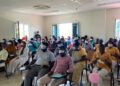
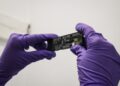
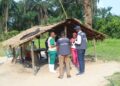
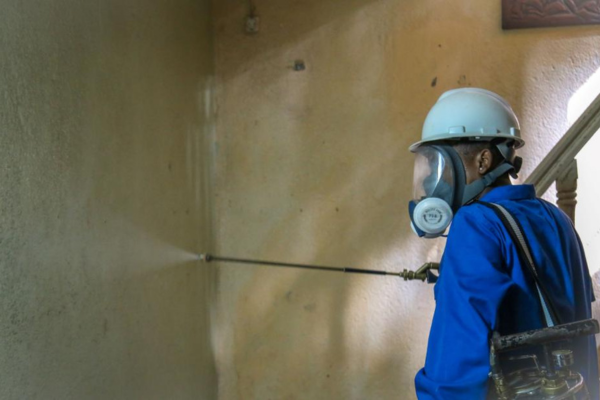
This progress stems from the National Malaria Elimination Programme (PNEP), supported by the World Health Organization (WHO), and the tireless work of community health workers like António de Oliveira in Praia das Burras. Oliveira conducts rapid diagnostic tests, treats mild cases, and refers severe cases to the regional hospital. “In January, I detected only one case in the entire community,” he says. Following a positive diagnosis, health teams inspect homes, remove mosquito breeding sites, spray houses, and administer preventive treatment to family members.
South Sudan: SYESI transforms lives and offers a promising future
Between 2018 and 2020, the Príncipe region reported zero indigenous malaria cases, setting a national benchmark. However, a slight increase in 2024—with 34 cases versus the usual annual average of 15–30—has raised concerns. “Reduced exposure has weakened immunity, and without preventive measures, malaria can resurge more intensely,” warns Dr. Didiena Vilhete, PNEP coordinator.
The 2023–2027 National Malaria Elimination Plan, developed with WHO, aims to achieve zero local malaria cases by 2027 through enhanced disease surveillance, accurate laboratory diagnostics, proper treatment, and integrated vector control interventions. “Success depends on the full engagement of authorities, health professionals, and communities,” emphasizes Jessica Veiga Soares, WHO head of public health in São Tomé and Príncipe. The program recently rebranded from the National Malaria Control Programme to the National Malaria Elimination Programme, reflecting its ambitious goal of a malaria-free future.
With strong community engagement, proactive monitoring, and continued support from WHO, São Tomé and Príncipe is emerging as a leading example in malaria elimination in Africa, demonstrating that data-driven strategies and local involvement can make malaria eradication achievable.