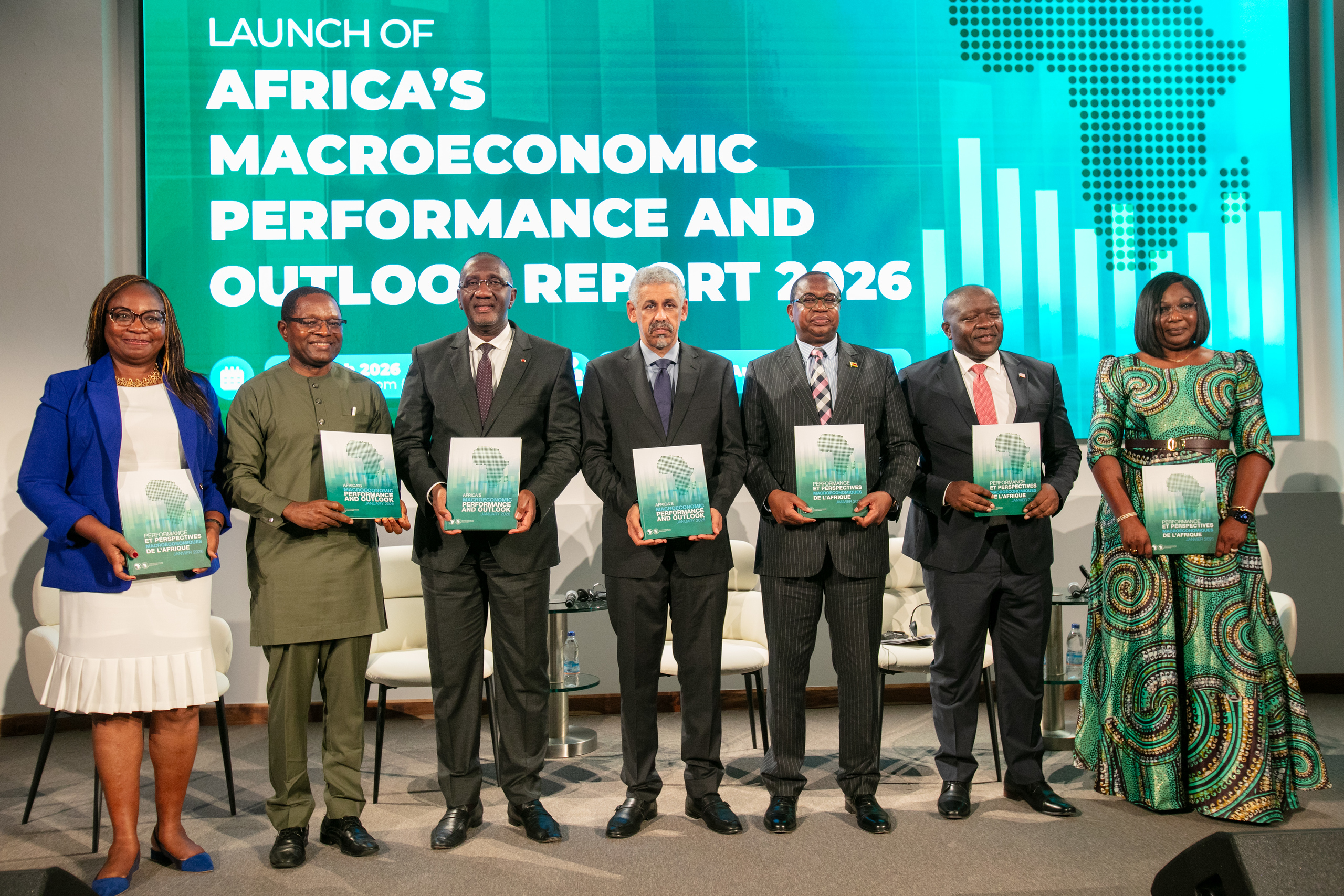
The 2026 Africa Macroeconomic Performance and Outlook report shows that the continent outperformed global averages in 2025, with real GDP growth rising to 4.2 percent, up from 3.1 percent in 2024. This exceeded the global average of 3.1 percent, reinforcing Africa’s position as a key growth frontier.
The report highlights a broad-based expansion across the continent, with 22 countries recording growth rates above 5 percent and six surpassing 7 percent. Improved macroeconomic management, easing inflation, and favorable agricultural conditions contributed to this strong performance. Looking ahead, growth is projected to stabilize at 4.3 percent in 2026 and increase to 4.5 percent in 2027. Notably, 12 of the world’s 20 fastest-growing economies in 2025 were in Africa, underlining the continent’s growing economic dynamism.
Afreximbank Launches First Accelerator to Scale Africa’s Digital Trade
Regional trends show East Africa maintaining its position as the fastest-growing region, with GDP growth of 6.4 percent. Countries such as Ethiopia, Rwanda, and Uganda led the expansion, driven by strong domestic demand and investment.
While overall growth remains robust, the report notes that GDP per capita gains are still modest, rising to 1.9 percent in 2025, which may limit rapid poverty reduction. However, inflation is on a downward trend, falling to an estimated 13.6 percent in 2025 from 21.8 percent in 2024, with further declines expected in the coming years.
External financial flows have also shown positive momentum. Foreign direct investment rebounded sharply, increasing by more than 75 percent to reach $97 billion, while remittances rose by over 14 percent to $104.6 billion, making them the largest source of external non-debt financing for the continent.
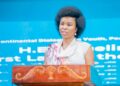
Speaking at the report’s launch, the Bank Group’s president emphasized that Africa is navigating a complex global environment marked by geopolitical fragmentation, trade tensions, and declining development finance. He described the institution’s strategic framework as essential in helping member countries respond to these evolving challenges.
The report also addressed the potential impact of the ongoing Middle East crisis, noting that its projections were prepared before the escalation. However, early assessments suggest that even if the crisis persists, the impact on Africa’s growth in 2026 could remain limited, potentially reducing growth by only a small margin.
Economists at the Bank highlighted Africa’s ability to withstand external shocks, pointing to past resilience as a key strength. They stressed that maintaining stability will depend on implementing sound fiscal policies, strengthening financial systems, and avoiding reactive decision-making.
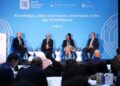
A high-level panel of African finance ministers and economic experts reinforced the need for continued reforms, particularly in domestic resource mobilization. Measures such as deepening local capital markets and expanding digital tax systems were identified as critical to sustaining growth and improving fiscal resilience. Participants also emphasized the importance of regional integration as a buffer against external shocks, noting that stronger intra-African trade and cooperation can help stabilize economies during periods of global uncertainty.
The report forms part of the Bank’s ongoing efforts to provide timely economic analysis to policymakers, investors, and development partners. As Africa continues to navigate a shifting global landscape, the findings suggest that with the right policy choices, the continent is well-positioned to sustain its growth trajectory and strengthen its economic resilience.