Senegal has unveiled one of its most ambitious agricultural development projects in recent years, signaling a renewed commitment to transforming its rural economy and strengthening food sovereignty. The inauguration of the Kolda Agro-Industrial Park, a cornerstone of the Agropole-Sud initiative, represents a major investment in the country’s agricultural future and a significant milestone in its broader industrialization strategy.
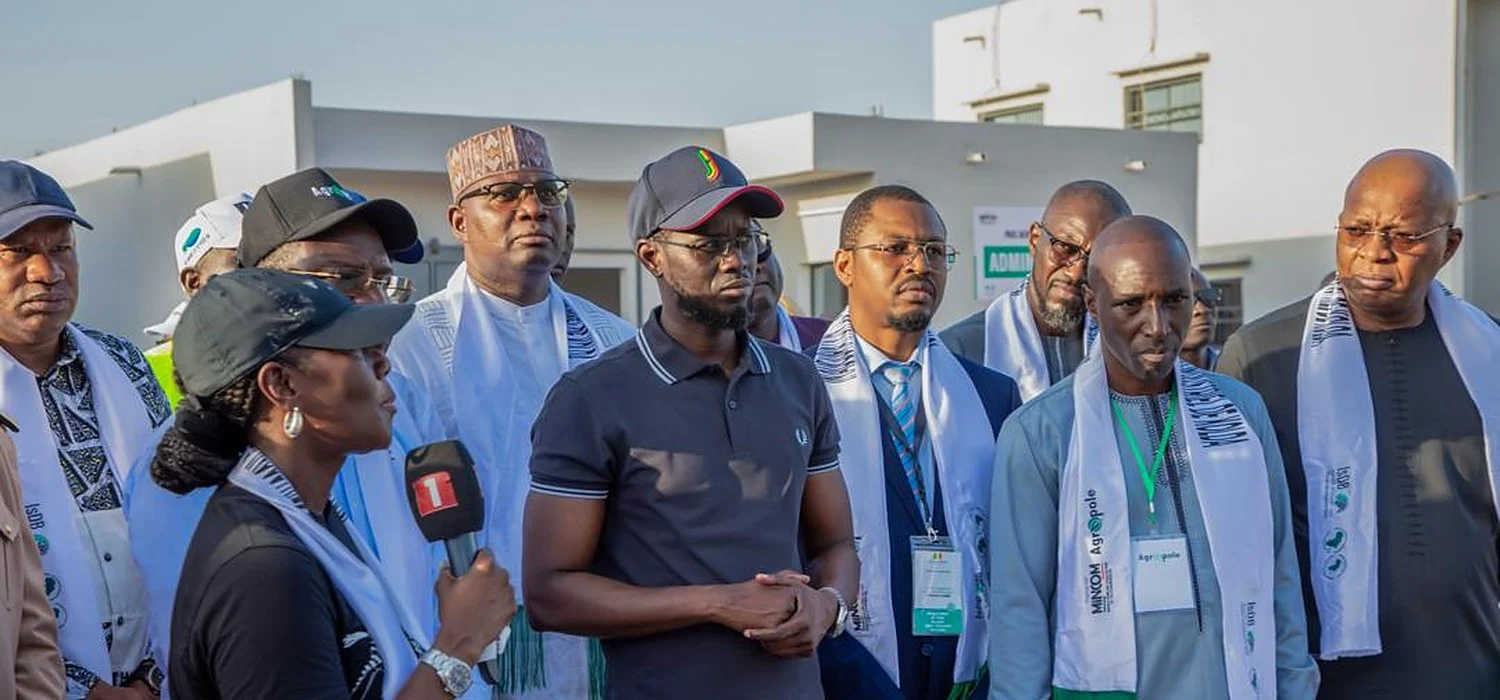
President Bassirou Diomaye Faye officially inaugurated the 15-hectare facility in Kolda on April 24, describing the project as a key component of Senegal’s vision to create a modern, competitive, and resilient agricultural sector capable of generating wealth and employment across the country.
Seminar on Standardization and Certifications Highlights Push for Global Competitiveness
“Through the agropoles, Senegal is establishing, across its eight territorial hubs, integrated infrastructure designed to make agricultural and agri-food sectors more competitive, more resilient, and more value-creating,” President Faye said during the ceremony attended by government officials, private-sector representatives, farmers, and international development partners.
The Kolda Agro-Industrial Park forms part of the Southern Agro-Industrial Transformation Zone Project, known as Agropole-Sud. The initiative is being implemented by Senegal’s Ministry of Industry and Trade and supported by international financial institutions, including the African Development Bank Group and the Islamic Development Bank.
The facility is designed to process some of the region’s most important agricultural products, including maize, mangoes, and cashew nuts. By bringing processing activities closer to production zones, authorities hope to reduce post-harvest losses, increase the value of agricultural products, improve market access, and create sustainable sources of income for farmers.
For decades, many agricultural commodities produced in Senegal have been exported in raw form, limiting opportunities for value addition and industrial development. The new agro-industrial park seeks to reverse that trend by enabling local transformation of agricultural products before they reach domestic and international markets.
The project is expected to have a profound impact on employment. Government estimates suggest that Agropole-Sud could generate up to 15,000 direct jobs and 35,000 indirect jobs over the coming years. Young people and women, who often face limited economic opportunities in rural communities, are expected to be among the primary beneficiaries.
Beyond job creation, officials believe the initiative will contribute to reducing poverty and slowing rural migration by creating economic opportunities closer to where people live. Improved infrastructure, better market linkages, and enhanced productivity are also expected to stimulate broader economic activity throughout southern Senegal.
The agro-industrial parks of Kolda and Adéane have received financing totaling approximately 28.3 billion CFA francs (about $50.5 million) from the African Development Bank Group, alongside additional support from the Islamic Development Bank. The investment reflects growing confidence among development partners in Senegal’s ability to become a regional leader in agricultural transformation.
During his visit to Kolda, President Faye also met with local elected officials, entrepreneurs, and community leaders to discuss development priorities. Conversations focused on youth employment, access to clean drinking water, healthcare services, education infrastructure, road connectivity, and support for rural communities.
Development partners have praised the project as a model for inclusive economic growth. Wilfrid Abiola, Country Office Manager for the African Development Bank Group in Senegal, reaffirmed the institution’s commitment to supporting the country’s long-term transformation agenda.
“The African Development Bank Group remains a strategic partner of Senegal and intends to continue its long-term support in order to accompany the structural transformation of its economy,” he said.
As Senegal pursues its goal of achieving greater food self-sufficiency and accelerating industrial growth, the Kolda Agro-Industrial Park stands as a symbol of a broader national ambition: building an economy where agricultural production is not only abundant but also capable of generating higher incomes, stronger industries, and greater prosperity for millions of citizens.
For many farmers across southern Senegal, the success of Agropole-Sud could mark the beginning of a new chapter—one in which agricultural products are transformed locally, jobs are created at home, and economic growth reaches communities that have long remained on the margins of development.