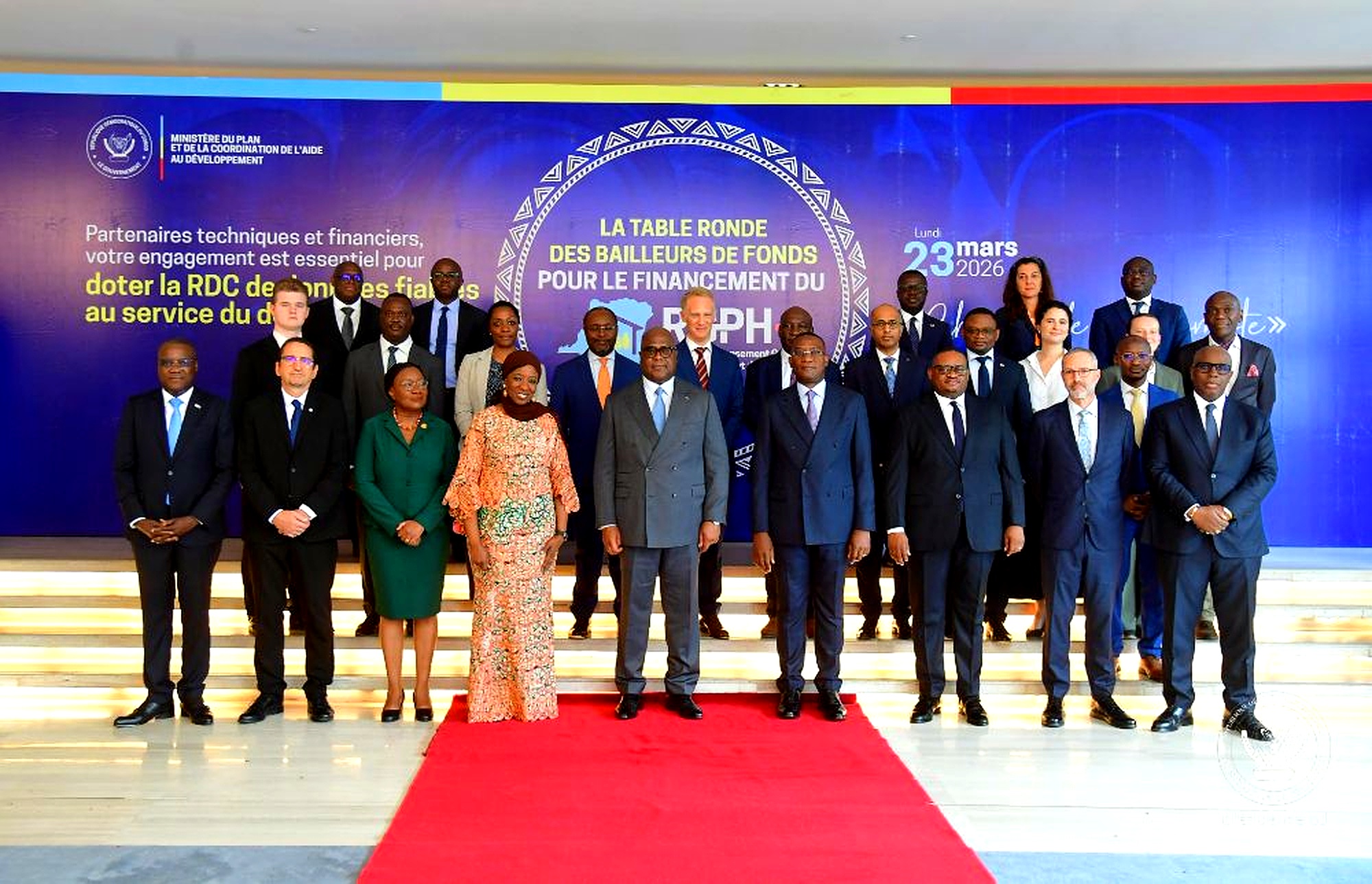
The Democratic Republic of the Congo is taking a major step toward strengthening governance and national planning, securing $80 million in funding from the African Development Bank Group to support its first population census in over 40 years. The funding will help finance the country’s second General Population and Housing Census (RGPH2), a landmark initiative aimed at providing accurate and up-to-date demographic data critical for policymaking and development planning. The last census in the country was conducted in 1984.
NFL and IFAF Host Flag Football Clinics to Grow Sport in Africa
Since then, the population of the Democratic Republic of the Congo has expanded dramatically, now estimated at more than 112 million people—nearly four times its size four decades ago. The absence of updated data has long posed challenges for effective governance, resource allocation, and economic strategy.
The African Development Bank’s contribution represents a significant portion of the $200 million pledged during a donor roundtable held in Kinshasa. Of the total, $50 million will go directly toward census operations, while $30 million is earmarked for strengthening national institutions, including the country’s statistical systems and public planning frameworks.
Congolese authorities have already committed $30 million from the national budget, signaling strong domestic ownership of the initiative. Additional support has also been pledged by international partners, including the World Bank, the International Monetary Fund, and the United Nations, as well as the Republic of Côte d’Ivoire, which will assist with equipment and technical expertise.
President Félix-Antoine Tshisekedi Tshilombo described the census as a defining moment for the nation, emphasizing its role beyond a technical exercise. He framed it as a foundation for better governance, enabling the state to understand its population more clearly and respond more effectively to citizens’ needs.
Officials say the initiative will strengthen the country’s ability to design evidence-based policies, improve public service delivery, and attract investment by providing credible and reliable data. The census is also expected to enhance transparency and accountability across government institutions.
According to representatives of the African Development Bank, the project will focus not only on data collection but also on building long-term institutional capacity. This includes reinforcing the National Institute of Statistics and improving systems for planning, budgeting, and monitoring development programs.
For the Democratic Republic of the Congo, the census marks a critical step toward modernizing its governance framework and aligning national development strategies with real demographic trends. As the country continues to grow both in population and economic potential, the availability of accurate data is expected to play a central role in shaping its future.