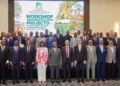
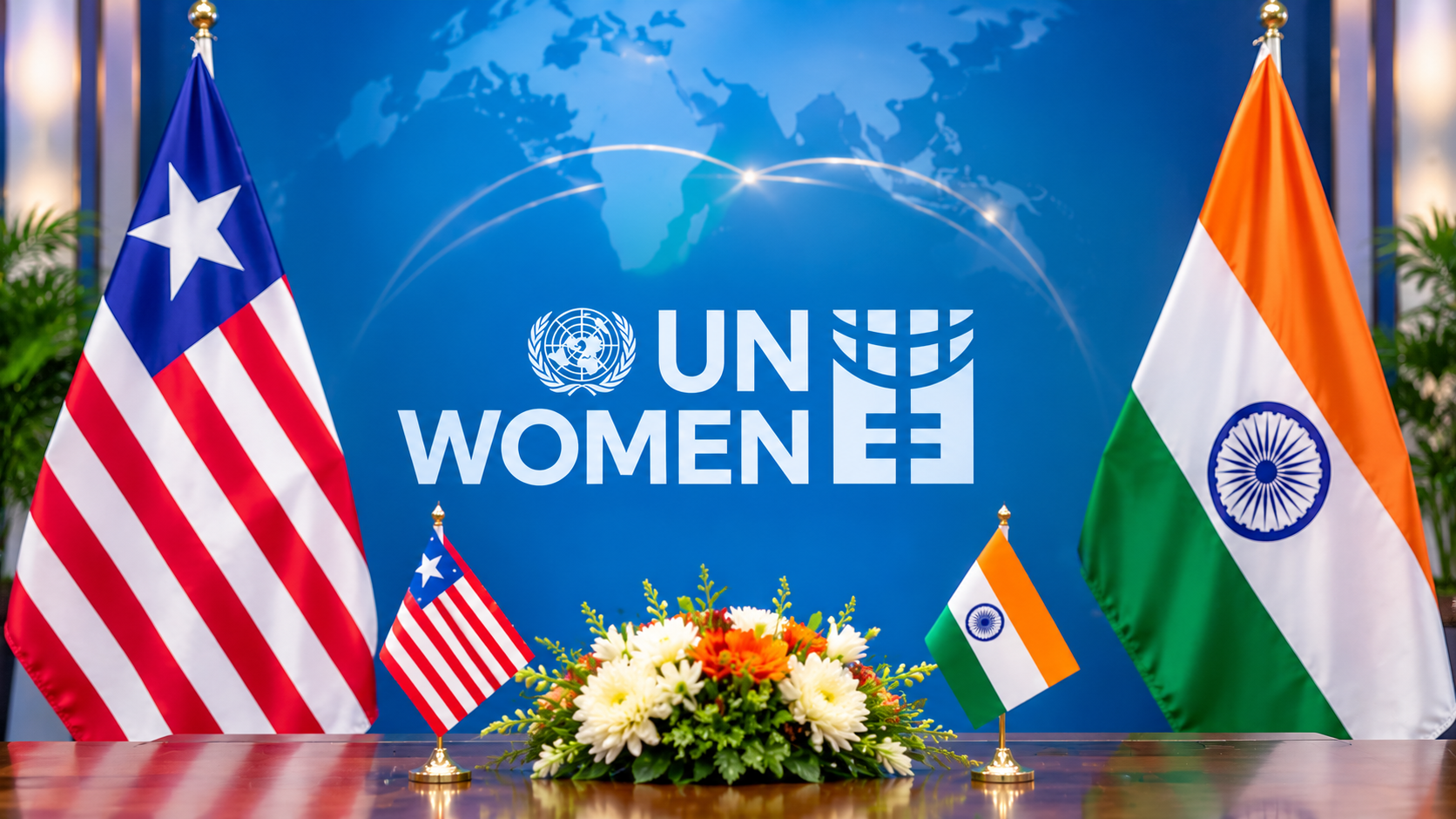
A delegation of 12 Liberian legislators has completed a South-South peer learning mission to India aimed at strengthening women’s political leadership, gender-responsive governance and economic empowerment in Liberia.
The delegation, which included nine Representatives and three Senators alongside legislative support staff and UN Women Liberia, visited India from 10 to 15 August 2026. The mission was organised under the project “Women Legislators in Liberia: Promoting Voice, Leadership and Gender-Responsive Governance for Sustainable Development,” funded by the IBSA Fund through the United Nations Office for South-South Cooperation (UNOSSC) and implemented by UN Women Liberia in partnership with the Women’s Legislative Caucus of Liberia.
South-South cooperation is a central component of the project, allowing Liberian policymakers to examine experiences from IBSA countries and identify approaches that could be adapted to Liberia’s own development priorities.
Nigeria Showcases African Fintech Innovation at RegTech Startup Pitch
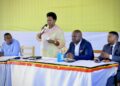
For Hon. Ellen A. Attoh-Wreh, Chairperson of the Women’s Legislative Caucus of Liberia and head of the delegation, one of the key lessons from India was its approach to women-led development. The delegation examined how women can participate as leaders, entrepreneurs, legislators and decision-makers, supported by systems that include gender-responsive budgeting, political representation, digital and financial inclusion and economic empowerment programmes.
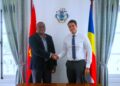
During the mission, the Liberian legislators engaged with India’s Minister of External Affairs, Dr. S. Jaishankar, and Minister of Women and Child Development, Smt. Annpurna Devi. They also visited institutions working on digital public infrastructure, gender-responsive budgeting, services for women, education and research.
The exchanges allowed the delegation to examine how political commitments can be converted into public financing, institutions and services, while considering which elements of India’s experience could be relevant to Liberia.
One of the major areas of discussion was India’s Gender Budget Statement, which tracks government spending benefiting women and girls. Liberian legislators explored how similar approaches could strengthen parliamentary budget oversight by tracking allocations, monitoring expenditure and evaluating whether programmes are producing measurable benefits for women and girls.
Digital inclusion was another important area of learning. At India’s National e-Governance Division, the delegation examined digital public infrastructure and tools such as DigiLocker, while discussing challenges including affordability, privacy, cybersecurity, limited connectivity and digital literacy.
These issues are particularly relevant to the IBSA Fund project’s economic empowerment activities targeting rural and young women in Liberia. Those activities include adult education, entrepreneurship, financial literacy, digital tools and Village Savings and Loan Associations.
The delegation also examined India’s One Stop Centre model, which coordinates medical, legal, police, counselling and referral services for women affected by violence. Discussions with Mobile Creches further highlighted the role of childcare in enabling women to participate more fully in economic activities and public life.
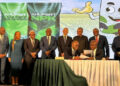
At O.P. Jindal Global University, the Liberian delegation explored opportunities for professional and academic development for young women and professionals. The discussions built on the university’s partnership with the University of Liberia and considered how opportunities through India’s ITEC Programme could complement existing initiatives.
India’s Ambassador to Liberia, H.E. Manoj Bihari Verma, highlighted the wider importance of the exchange, describing it as a reflection of the friendship and solidarity at the heart of South-South cooperation.
Dr. A. H. Monjurul Kabir, UN Women Country Representative in Liberia, said the mission provided legislators with practical insights into women-led development, political leadership, gender-responsive budgeting, economic empowerment, digitalisation and institutional responses to violence against women.
He added that the knowledge gained could support the legislators in their legislative, oversight and advocacy responsibilities as Liberia continues efforts to strengthen women’s political participation and gender-responsive governance.
As the project’s first formal South-South peer learning exchange, the mission also created new institutional connections between Liberia and India. Areas identified for continued cooperation include gender-responsive budgeting, digital and financial inclusion, women’s economic empowerment, responses to violence against women and professional and educational opportunities for young women.
UN Women Liberia and the Women’s Legislative Caucus of Liberia are expected to incorporate lessons from the mission into work already underway in Liberia, potentially strengthening policies and programmes designed to expand women’s participation in political, economic and public life.