
Zambia has reached its 1,000-megawatt solar generation target for 2026, marking a significant expansion of renewable energy capacity as the country seeks to reduce its reliance on hydropower and strengthen its position as a regional electricity hub.
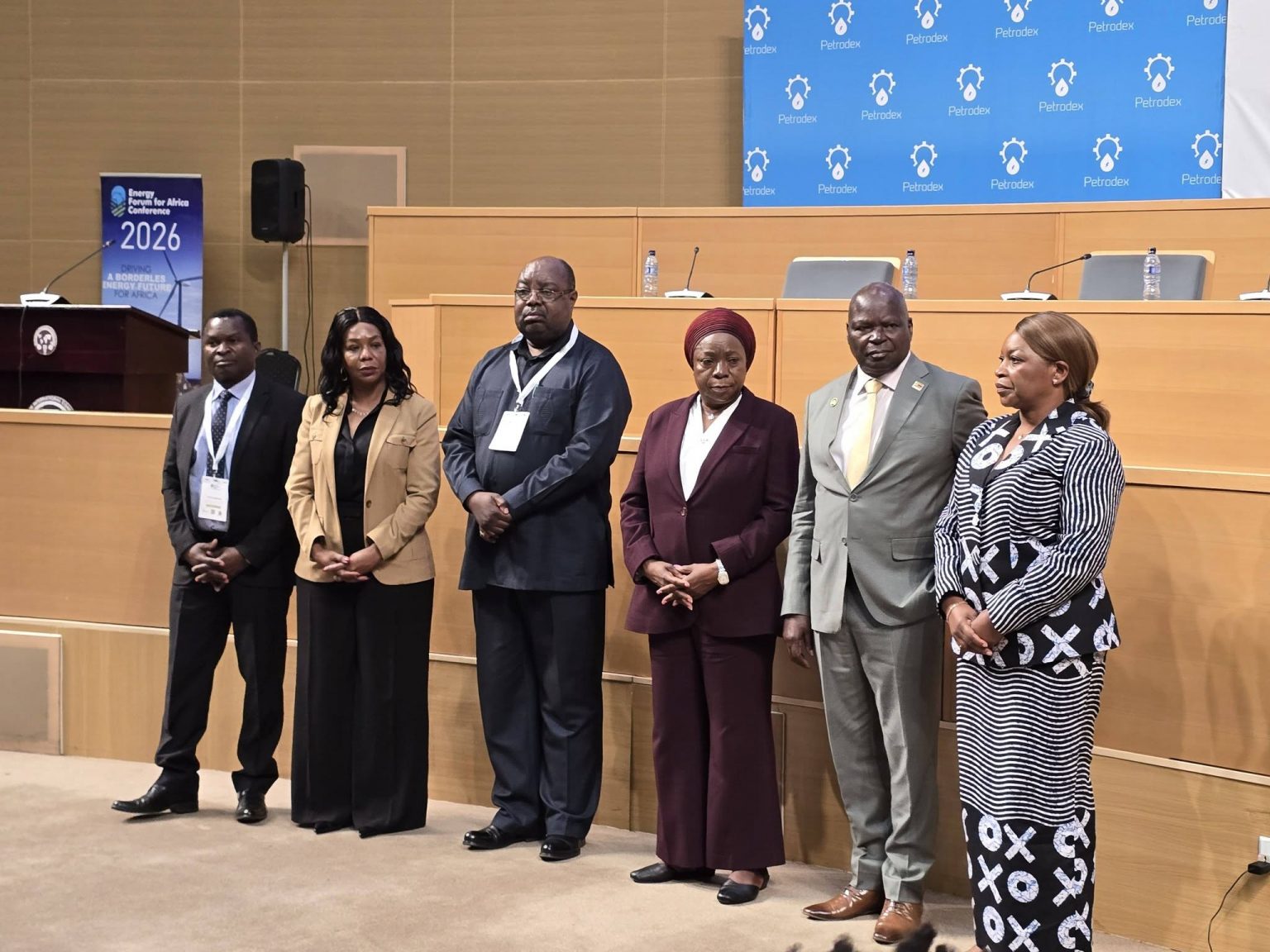
President Hakainde Hichilema announced the achievement as Zambia hosted the 2026 Energy Forum for Africa in Lusaka under the theme, “Driving a Borderless Energy Future for Africa.” The President did not attend the forum in person, but his speech was delivered by Vice President Mutale Nalumango at the official opening of the conference.
African CEOs Back Intra-African Trade Growth Despite Financing and Policy Barriers
Zambia’s installed electricity generation capacity has increased from 3,777MW in 2024 to 4,722MW, according to the President. During the same period, solar generation capacity rose from 178MW to 1,027MW, exceeding the government’s 1,000MW target for 2026.
The increase in solar generation reflects Zambia’s efforts to diversify its energy mix as climate change continues to challenge the country’s reliance on hydropower. The government has increasingly turned to solar and other energy sources as part of a broader strategy to strengthen electricity supply and support economic development.
President Hichilema said Zambia’s energy progress should not be measured solely by the number of megawatts generated, but by the sector’s ability to support economic growth and transformation. The country is now working toward an ambitious target of reaching 10,000MW of electricity generation capacity by 2031.
Achieving that target will require investment not only in generation but also in transmission and distribution infrastructure. Hichilema urged energy-sector stakeholders to prioritize transmission as new generation projects come online, warning that increased production must be matched by the infrastructure needed to deliver electricity to consumers and industries.
The President also reaffirmed the government’s commitment to creating an enabling policy environment for sustainable investment in the energy sector. He called for a borderless energy vision for Africa, emphasizing the importance of regional cooperation and cross-border electricity infrastructure.
Acting Minister of Energy Dr. Situmbeko Musokotwane said Zambia has several energy projects at different stages of development and expressed confidence that the 10,000MW target could be achieved through partnerships. He also called on investors with signed Power Purchase Agreements to move forward with implementation, stressing the need to turn existing commitments into concrete energy projects.
Zambia is seeking to position itself as an electricity hub in the region, with the Grow Zambia Agenda focusing on the development of generation, transmission and distribution infrastructure. The strategy comes as demand for reliable electricity continues to grow across sectors including mining, agriculture and manufacturing.
Zimbabwean Minister of Energy July Moyo also highlighted the importance of regional cooperation, saying a borderless electricity system was both possible and necessary to support growing industries. Zambia and Zimbabwe are working on an electricity interconnector intended to strengthen regional energy security and improve cross-border electricity connectivity.
Moyo urged African countries to invest in regional energy infrastructure before electricity shortages develop into wider economic crises. Greater interconnection between national electricity systems could allow countries with surplus generation to supply neighboring markets experiencing shortages while supporting regional electricity trade.
In a vote of thanks, Permanent Secretary-Energy Prof. Ephraim Munshifwa said African countries needed to work together to develop energy projects capable of strengthening energy security and regional integration. He also called for stronger integration between the electricity and petroleum sectors as African countries seek to build more resilient energy systems.
Zambia’s achievement of more than 1,000MW of solar capacity represents a major step in its effort to diversify electricity generation. The country’s next challenge will be ensuring that the rapid growth in generation is matched by sufficient transmission and distribution capacity. As Zambia works toward its 10,000MW target by 2031, the government is increasingly positioning energy infrastructure as a foundation for industrial development, economic growth and deeper regional integration across Africa.