
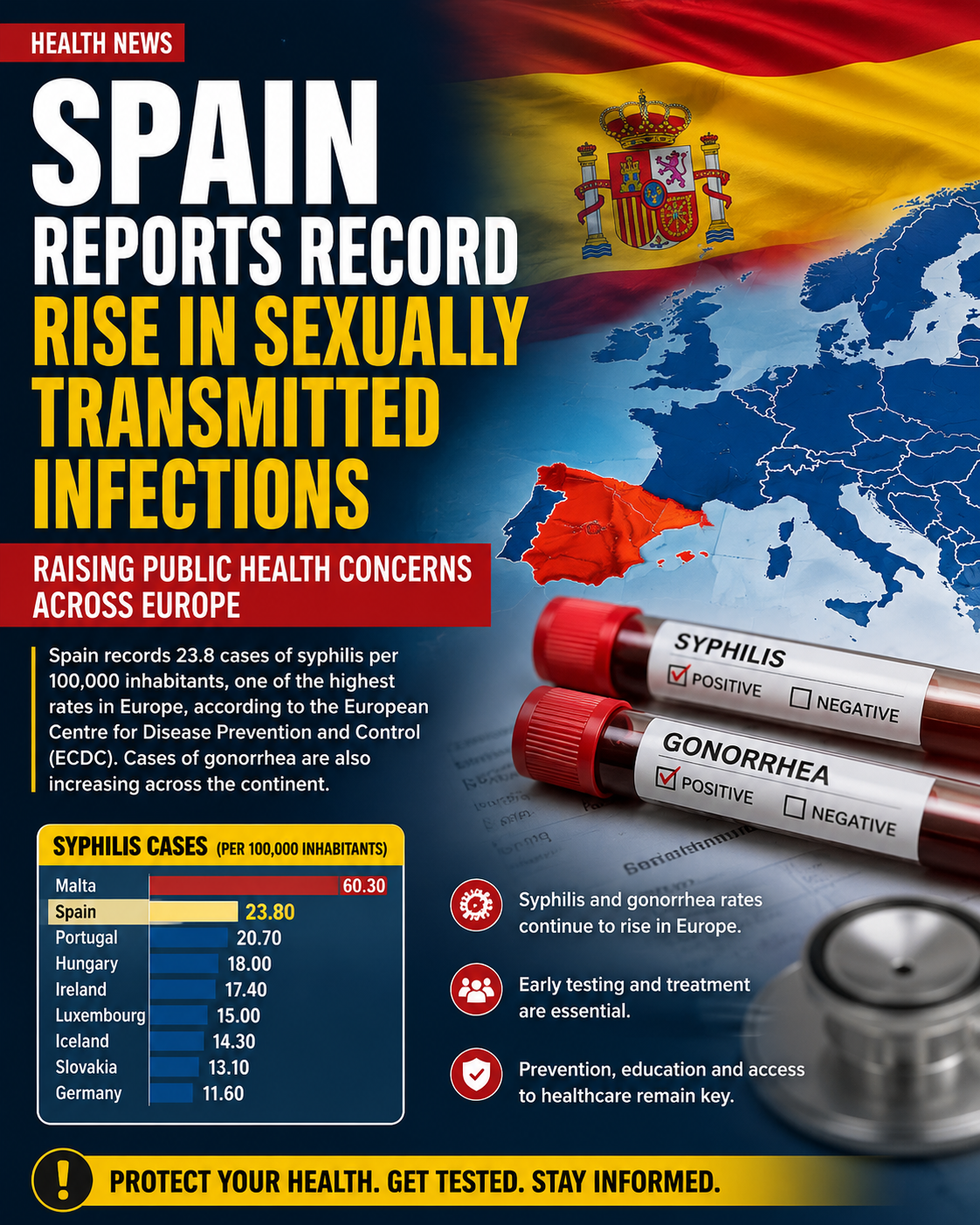

Spain is facing a significant increase in sexually transmitted infections (STIs), according to recent data highlighted by the European Centre for Disease Prevention and Control (ECDC). Health authorities are warning that the country now ranks among the European nations with the highest reported rates of syphilis, reflecting a broader trend of rising infections across the continent.
Figures cited by Spanish broadcaster La Sexta show that Spain recorded approximately 23.8 cases of syphilis per 100,000 inhabitants, placing it ahead of several neighboring countries in the latest European comparisons. The increase has renewed concerns among public health experts, who have observed a steady growth in STI cases throughout Europe over recent years.
A New Push to Map Africa, This Time at Continental Scale
Medical professionals note that sexually transmitted infections remain a major health challenge despite advances in treatment and prevention. Syphilis and gonorrhea, two bacterial infections that can be effectively treated when detected early, have shown particularly sharp increases in several European countries. Experts attribute the trend to a combination of factors, including reduced condom use, changes in sexual behavior, increased mobility, and greater access to testing services.
The latest figures suggest that Spain has become one of the countries most affected by the resurgence of syphilis. While improved screening programs have contributed to the identification of more cases, health officials warn that the numbers also reflect ongoing transmission within the population. Increased testing may partly explain the rise, but authorities stress that prevention efforts must also be strengthened.
Health specialists emphasize that untreated syphilis can lead to severe complications affecting the brain, heart, nervous system, and other organs. In pregnant women, the infection can be passed to unborn children, potentially resulting in serious medical consequences. Gonorrhea, another infection experiencing growing rates, can cause infertility and other long-term reproductive health issues if left untreated.
Of particular concern to health authorities is the emergence of antibiotic-resistant strains of gonorrhea. The World Health Organization and European health agencies have repeatedly warned that antimicrobial resistance could make certain infections increasingly difficult to treat in the future, creating new challenges for healthcare systems.
Public health experts continue to advocate for preventive measures, including comprehensive sexual education, regular health screenings, increased access to sexual health services, and consistent condom use. They also stress the importance of reducing stigma surrounding STI testing, arguing that many infections continue to spread because individuals delay seeking medical attention.
The rise in sexually transmitted infections is not limited to Spain. Several European countries have reported similar increases, suggesting that the issue represents a broader continental challenge rather than an isolated national problem. Health agencies are urging governments to invest in awareness campaigns and strengthen disease surveillance systems to better understand transmission patterns and respond effectively.
As infection rates continue to climb, health authorities are calling for a coordinated response involving healthcare providers, educational institutions, policymakers, and community organizations. Experts warn that without sustained prevention efforts, the upward trend could place additional pressure on public health systems and increase the long-term burden of preventable diseases.
The latest data serves as a reminder that sexually transmitted infections remain a significant public health concern in Europe. While modern medicine provides effective treatments for many of these diseases, experts agree that prevention, early diagnosis, and public awareness remain the most effective tools for limiting their spread and protecting public health.