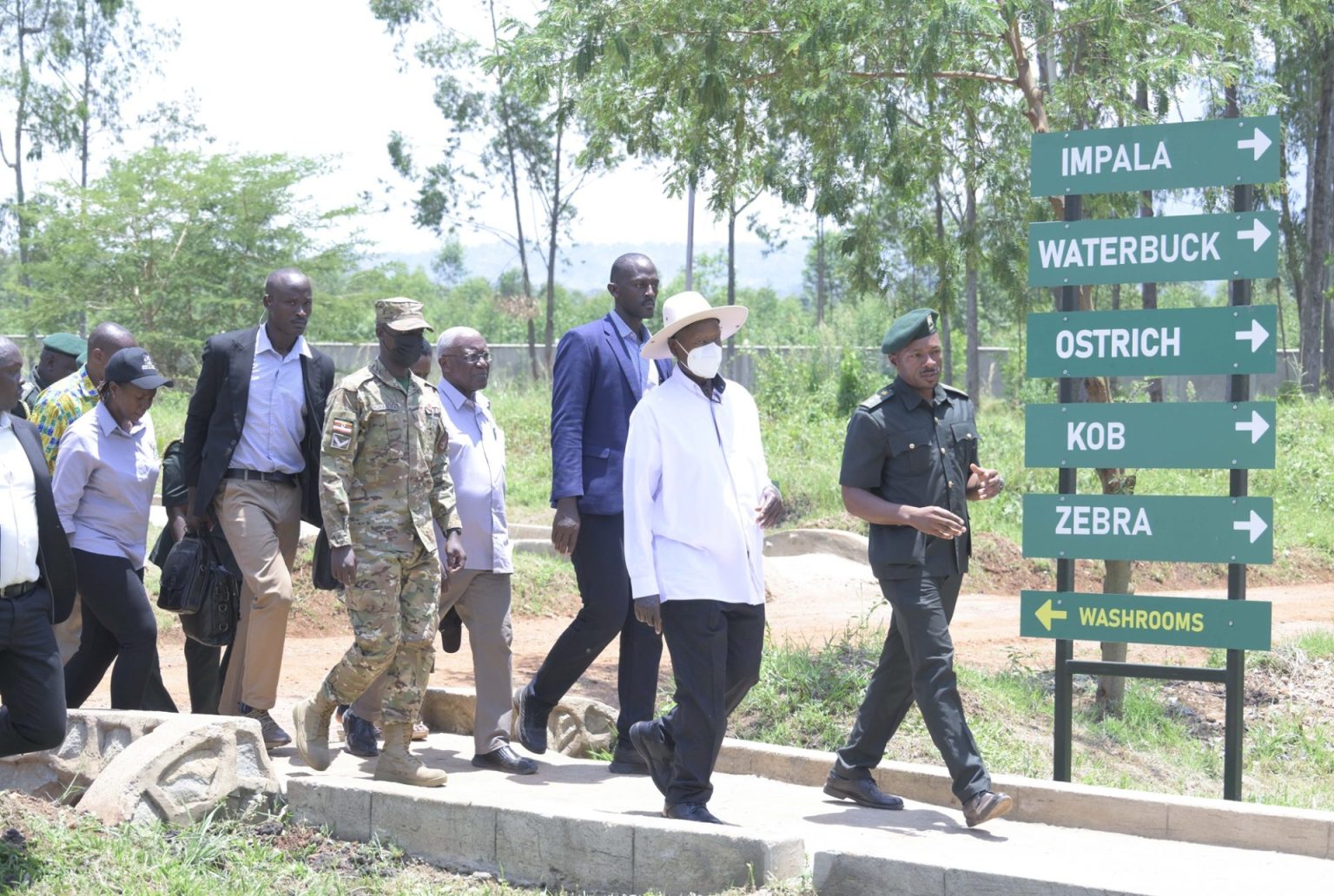
Uganda is positioning tourism as a stronger driver of household incomes and regional development as President Yoweri Museveni commissioned the Mbale Wildlife Conservation Education Centre, commonly known as Mbale Zoo, during the country’s World Tourism Day 2026 celebrations in Mbale City.
The facility, established by the Uganda Wildlife Authority (UWA), is designed to promote wildlife conservation education while adding a new tourism attraction to the Elgon Sub-region. Museveni said the centre could help raise awareness about Uganda’s wildlife while creating opportunities for communities and businesses connected to the tourism sector.
Kenya Equips 330 Young People With Digital Skills for the Next Economy
Speaking at celebrations held at Mbale Secondary School Grounds under the theme “Digital Agenda and Artificial Intelligence to Redesign Tourism,” Museveni described tourism as one of Uganda’s lucrative service industries and encouraged communities to participate more actively in the sector.
He highlighted the broad economic network created by tourism, which extends beyond attractions themselves to accommodation, transportation, food, entertainment, tour guiding, cultural enterprises and other services.
For communities with limited land for commercial agriculture, the President said tourism can provide an additional pathway to income generation, particularly when local businesses are integrated into the tourism value chain.
The commissioning of Mbale Zoo comes alongside the launch of a Tourism Conservation Strategy for the Elgon Sub-region, placing environmental protection at the heart of the region’s tourism ambitions.
The strategy focuses on protecting forests and wetlands from encroachment and degradation, as Uganda seeks to preserve the ecosystems that support its wildlife, landscapes and tourism attractions.
Museveni warned that environmental destruction could undermine tourism by damaging forests, wetlands and wildlife habitats. He called for stronger conservation measures across the Elgon region while urging communities to make productive use of Uganda’s geographical advantages.
The President also reaffirmed the Government’s commitment to improving infrastructure around tourism destinations. He said extending roads, electricity, water, telecommunications and other essential services to tourism sites would make attractions more accessible while allowing communities surrounding them to benefit from increased visitor activity.
The Government’s approach links tourism development with four broader areas of wealth creation: commercial agriculture, manufacturing and artisanship, services, and information and communication technology.
Uganda is also looking to technology and artificial intelligence to strengthen the way its tourism industry reaches visitors. Tourism, Wildlife and Antiquities Minister Col. (Rtd) Tom Butime said digital technologies could transform how Uganda markets its destinations and delivers information to tourists.
Among the opportunities highlighted were digital booking platforms, smart park gates and AI-supported safari planning, technologies that could make tourism services more accessible while improving the visitor experience.
Butime also pointed to the distinctive tourism products of Mbale and the wider Elgon Sub-region, including Mount Elgon’s landscapes, local cuisine, cultural heritage and hospitality.
Greater promotion of these attractions, he said, could encourage Ugandans to explore their own country while creating employment and business opportunities for communities.
The minister also identified investment, access to capital, tourism infrastructure and visa-related challenges as areas requiring attention if the region is to fully realise its tourism potential.
European interest creates new investment possibilities
International partnerships are also emerging around Uganda’s tourism ambitions.
Netherlands Ambassador to Uganda Angèle Samura highlighted opportunities for cooperation between Uganda and European partners in hospitality, skills development, sustainable tourism and the adoption of AI and other digital technologies.
According to figures cited by the ambassador, tourist arrivals from Europe increased from about 38,000 in 2024 to approximately 150,000 in 2025.
Samura said Uganda’s combination of wildlife, natural landscapes, wellness experiences, food, culinary traditions and cultural attractions provides a broad foundation for further international tourism growth.
She also emphasised the importance of ensuring that increasing visitor numbers translate into greater opportunities for local businesses and communities.
For Mbale City, digital tourism is emerging as another tool for strengthening the region’s position on Uganda’s tourism map.
Mayor Joyce Matuka Kidulu said digital platforms could improve the visibility of Mbale’s attractions and connect the city and wider Bugisu region with visitors from Uganda and abroad.
The celebrations also featured a cultural dimension, with Museveni proposing that the Bugisu Anthem could be considered as a possible anthem for the proposed East African Federation should regional political integration advance.
As Uganda marks World Tourism Day 2026, the development of Mbale Zoo, conservation initiatives, digital innovation and planned infrastructure improvements reflect a broader effort to connect the country’s natural and cultural assets with economic opportunities.
For the Elgon Sub-region, the ambition is increasingly clear: protect its ecosystems, showcase its culture and landscapes, embrace technology and ensure that tourism growth creates opportunities for the communities that host Uganda’s attractions.