
Africanian
  • Home
  • News
  • News 24/7
  • Business
  • Sports
  • World
    • US
    • Russia
    • Europe
    • Asia
    • America
  • Events
No Result
View All Result
Africanian
  • Home
  • News
  • News 24/7
  • Business
  • Sports
  • World
    • US
    • Russia
    • Europe
    • Asia
    • America
  • Events
No Result
View All Result
Africanian
Home Business

Kenyan Women Harness Prickly Pear for Biogas and Economic Empowerment

Beyond biogas, the women at Laikipia Permaculture utilize all parts of the prickly pear fruit, creating products like jams, which are sold

Kenyan Women Harness Prickly Pear for Biogas and Economic Empowerment
Share on FacebookShare on TwitterShare via Whatsapp

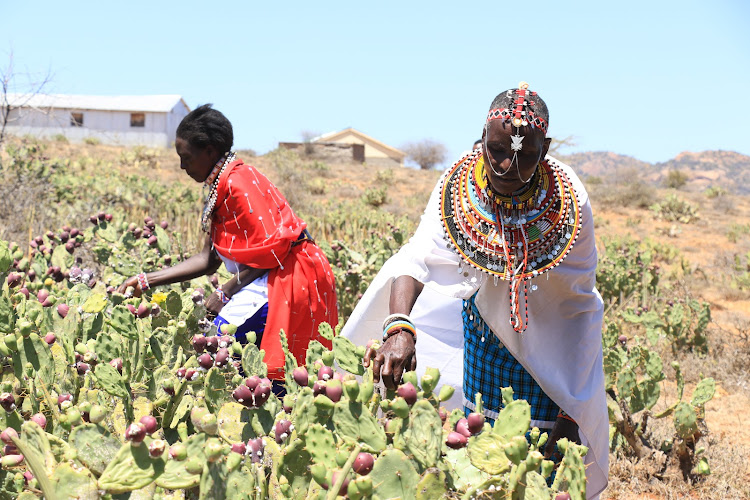
A group of women in central Kenya is taking on the prickly pear, an invasive cactus species that disrupts the ecosystem, hindering wildlife navigation and reducing grazing areas. This initiative, spearheaded by the Iloplei Twala Cultural Manyatta Women Group in Laikipia County, is converting the prickly pear into biogas. The cactus, introduced in Kenya in the early 1900s, spread rapidly due to various factors, including animal dispersal.

Read More: Top 10 African Nations Saving in Dollars – Deciphering Why?

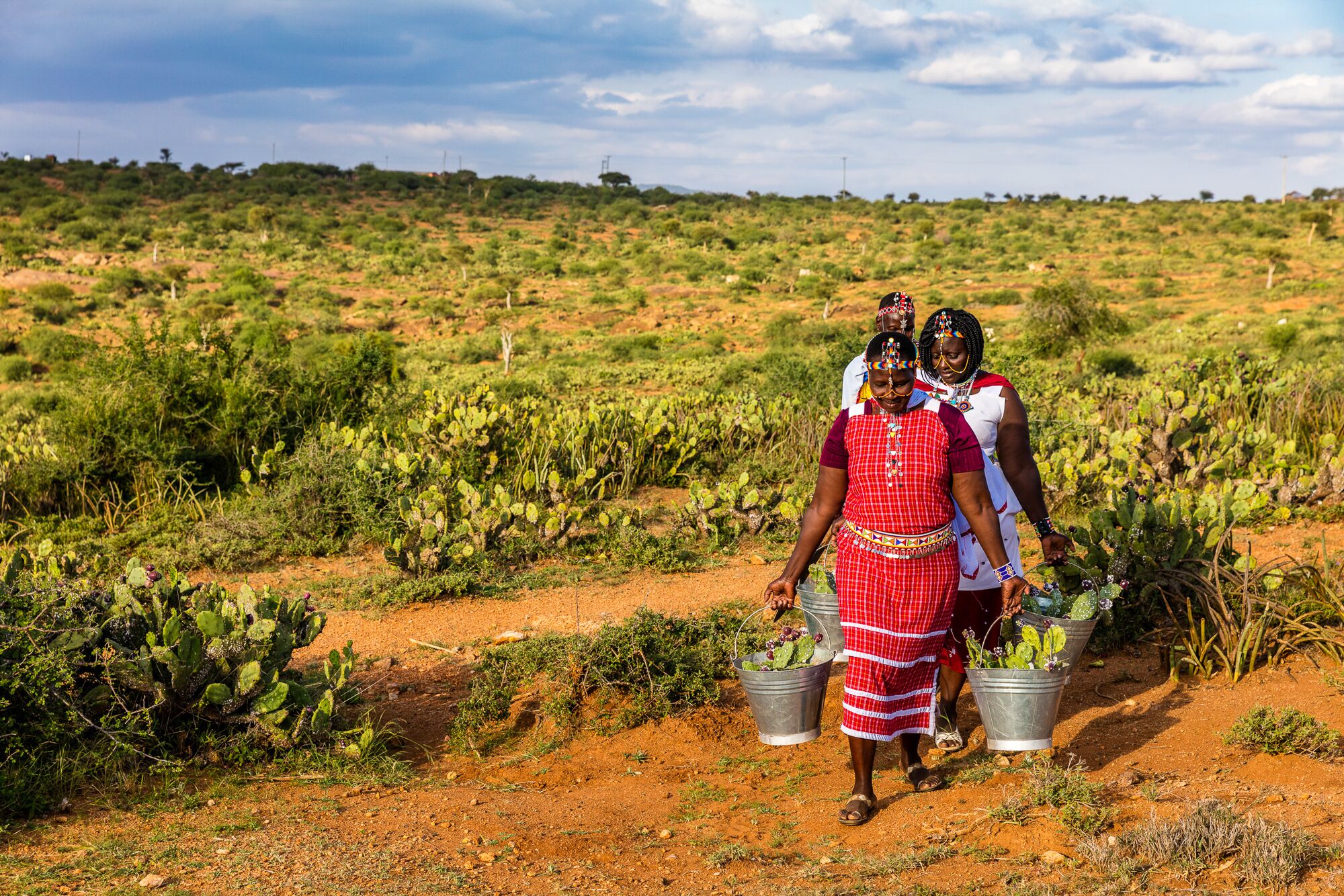
The women’s group, consisting of 203 members, has found an innovative solution to the prickly pear problem by converting its pulp into biogas, which they use for their homes and sell. Their initiative also empowers the women economically and socially, allowing them to manage communal land and resources.

Beyond biogas, the women at Laikipia Permaculture utilize all parts of the prickly pear fruit, creating products like jams, which are sold. This approach not only tackles the cactus invasion but also provides a sustainable source of income.
The invasive nature of the prickly pear poses a significant threat to the ecosystem, with uncontrolled cacti overtaking natural pasture and limiting livestock access to rangelands. Organizations like Loisaba Conservancy have employed heavy machinery to uproot and manage the cactus effectively. This strategy creates fertile zones where native plants can regenerate.

Read More: Investing in African Green Solutions

As of June 2023, Loisaba Conservancy had successfully cleared 3,100 acres of prickly pear, marking a significant step in the fight against this invasive environmental menace. Research scientist Winnie Nunda from the Centre for Agriculture and Bioscience International emphasized the importance of such efforts in preserving biodiversity, as the cactus’s spread disrupts native species, hinders access to pasture, and reduces pasture carrying capacities in affected landscapes.


RelatedPosts

Somalia transforms Doolow with a plan to support vulnerable households

Somalia transforms Doolow with a plan to support vulnerable households

December 4, 2025
Spain: Three women lead global innovation and communications at ReactID

Spain: Three women lead global innovation and communications at ReactID

November 28, 2025
Visa boosts global payments in USDC through Aquanow integration

Visa boosts global payments in USDC through Aquanow integration

November 28, 2025
Algeria: $2.8 Billion and 495 km to transform the Sahara

Algeria: $2.8 Billion and 495 km to transform the Sahara

November 20, 2025
Ghana transforms its agriculture thanks to Joshua Toatoba’s Model

Ghana transforms its agriculture thanks to Joshua Toatoba’s Model

November 20, 2025
Clean water restores dignity to rural communities in The Gambia

Clean water restores dignity to rural communities in The Gambia

November 10, 2025
DRC: Maluku, the new industrial zone driving resilience

DRC: Maluku, the new industrial zone driving resilience

November 7, 2025
Afriex and Visa Direct accelerate $669B in Remittances with Real-Time Payments

Afriex and Visa Direct accelerate $669B in Remittances with Real-Time Payments

November 6, 2025
NEPAD-IPPF: 20 years connecting Africa and transforming lives

NEPAD-IPPF: 20 years connecting Africa and transforming lives

November 5, 2025
Africanian News Is a dedicated project aimed at amplifying the voices of the African Ecosystem and Diaspora. We actively collaborate with initiatives to improve access to education and digital inclusion, both in traditional schools and through digital platforms, for African children.

It’s crucial to emphasize that none of the articles or images featured on our platform are intended for copyright infringement, neither now nor in the future.
If you believe that any information, text, image, etc., may be subject to copyright and should be removed, please notify us by sending an email to: [email protected]

News Categories

  • America (39)
  • Asia (131)
  • Business (1,232)
  • Culture (227)
  • Destinations (210)
  • Europe (153)
  • Food and Drink (14)
  • Guides & Tips (20)
  • Health (629)
  • Hotels (5)
  • Meetings and Tech (349)
  • News (2,534)
  • Opinion Piece (12)
  • Russia (73)
  • Science (62)
  • Sports (311)
  • Style (4)
  • Travel (145)
  • US (107)
  • World (422)

Your dreams matter; your stories matter.

Feel free to explore collaboration opportunities with us. Share your articles, thoughts, interviews, experiments, or no-comment videos by reaching out to [email protected].

You can also subscribe to our mailing list to receive the latest updates from Africanian News.

Newsletter

© 2025 Africanian News.

Log In

Sign In

Forgot password?

Don't have an account? Register

Forgot password?

Enter your account data and we will send you a link to reset your password.

Back to Login

Your password reset link appears to be invalid or expired.

Log in

Privacy Policy

Accept

Add to Collection

  • Public collection title

  • Private collection title

No Collections

Here you'll find all collections you've created before.

No Result
View All Result
  • Home
  • News
  • Business
  • Sports
  • Meetings and Tech
  • World

© 2025 Africanian News.