
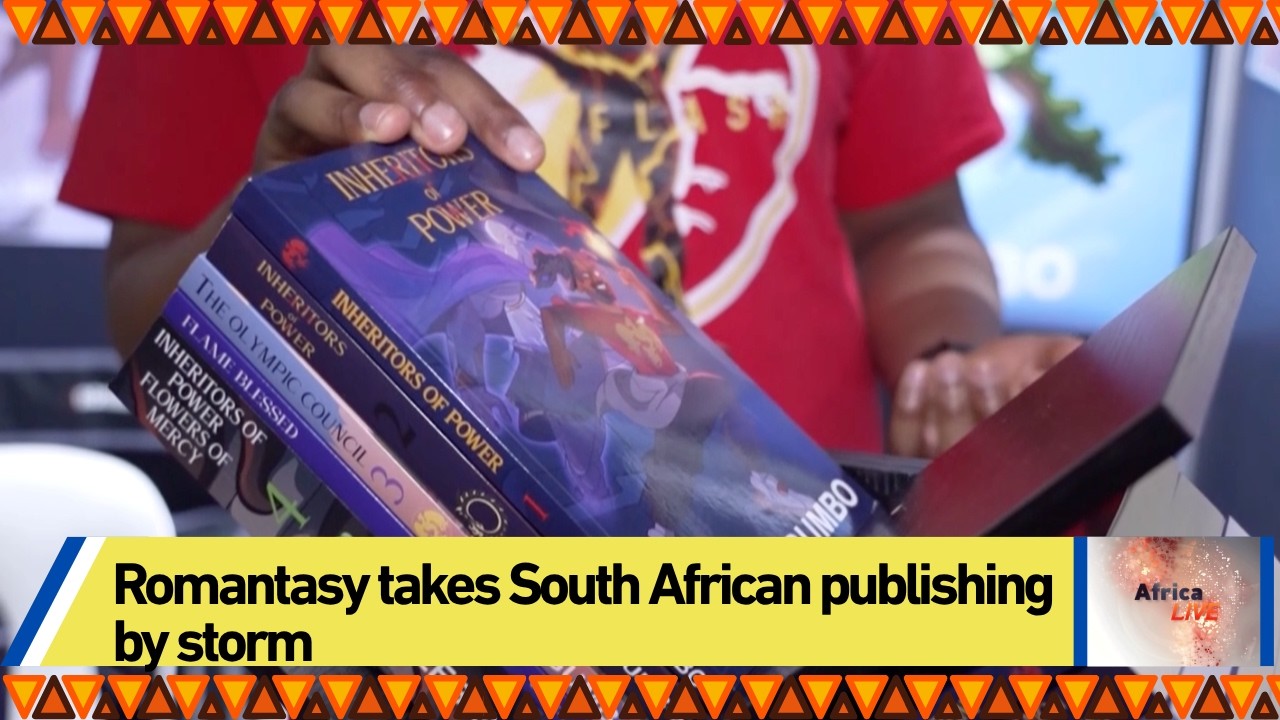
African storytelling is entering a new creative chapter as writers increasingly turn to fantasy, romance and speculative fiction to reinterpret the continent’s mythology, cultures and histories for contemporary audiences.
The trend builds on decades of African speculative fiction, with writers such as Nnedi Okorafor and Tade Thompson demonstrating how African cultures, histories and traditions can provide the foundations for imaginative worlds that resonate far beyond the continent.
Now, a rapidly growing genre known as “romantasy” is adding another dimension to that movement, particularly in South Africa.
Combining romance and fantasy, romantasy has gained significant attention through social media platforms such as TikTok, where readers and authors share recommendations, reviews and creative communities. The trend has also created new opportunities for African writers to bring local folklore and mythology into stories designed for contemporary global audiences.
Ghana Opens New Channel for SME Financing Through Crowdfunding
South African author Caleb Gumbo said TikTok has played an important role in the genre’s growth. He pointed to the platform’s role in helping books such as Fourth Wing reach large audiences and contributing to the growing visibility of fantasy romance in publishing.
For Soweto-born author Thandi Moagi, African mythology offers an especially rich creative foundation.
Moagi is developing stories inspired by Thaba Bosiu, the historic mountain in Lesotho surrounded by generations of myths and oral traditions. For her, the stories she encountered growing up provide a starting point for imagining new fictional worlds.
“It was a mythology growing up, but now I know that there’s caves and mystical things happening,” Moagi said. “Me being a romance writer and a fiction writer, I let my mind run wild with the possibilities.”
Her approach reflects a wider creative movement in which African writers are not simply reproducing traditional stories but reimagining elements of folklore through contemporary genres.
Other authors are experimenting with darker fantasy. Amanda Holly and Ryleigh Sloan have developed a vampire series built around the concept of the seven deadly sins, with individual characters representing different sins, beginning with envy.
The growing interest in romantasy demonstrates how African storytelling traditions can intersect with international publishing trends without losing their cultural foundations.
For writers, mythology provides more than historical material. Mountains, ancestral stories, supernatural beliefs, traditional characters and oral histories can become building blocks for fictional worlds spanning romance, fantasy, horror and speculative fiction.
Social media is also changing how these stories find readers. Platforms such as TikTok allow emerging authors to reach audiences directly, build communities around their books and participate in global conversations about fantasy literature.
The opportunities extend beyond publishing. African-inspired fantasy can potentially move across books, film, television, animation and gaming, creating new spaces for African characters, settings and mythological traditions in global entertainment.
As young readers increasingly discover fantasy through digital communities, African writers are demonstrating that the continent’s folklore and mythology can provide endless possibilities for contemporary storytelling.
From the mountains of Lesotho to the creative communities of South Africa, Africa’s stories are being reimagined for a new generation — not as relics of the past, but as foundations for entirely new fictional worlds.