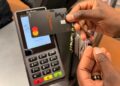
Mozambique is using mobile money technology to transform the way health workers and volunteers are paid during large-scale public health campaigns, strengthening efficiency, transparency and financial inclusion across the country’s healthcare system.
Since 2024, the World Health Organization (WHO) Mozambique has been using Mobile Money (MOMO) to pay workers involved in vaccination campaigns, emergency interventions and other public health activities.
Amputee Football Helps Rwandan Women Rebuild Confidence
More than $14.4 million has been transferred through the system to nearly 246,000 beneficiaries across Mozambique, demonstrating how digital financial services can support the delivery of healthcare programmes in a country where distance and logistics can make cash-based payments challenging.
Digital payments support polio vaccination campaign
The system was used again during Mozambique’s second national polio vaccination campaign of 2026, held in June.
Thousands of vaccinators, supervisors, community mobilisers and support personnel involved in the campaign received their payments through MOMO, allowing health workers to focus on reaching children and communities rather than dealing with the logistical difficulties associated with cash distribution.
MOMO focal points based at health centres play a key role in the process. They register campaign workers on the digital platform, monitor attendance and ensure that information is accurate before payments are processed.
At the Luia Health Centre in Chifunde District, MOMO focal point Manansses Rosário carries out these responsibilities using an Android mobile phone with support from the provincial Super Trainer.
Rosário said the system has made her role straightforward, allowing her to register colleagues and monitor their participation after receiving training.
WHO highlights transparency and accountability
For WHO Mozambique, the digitalization of payments represents more than a technological upgrade. It is also part of efforts to strengthen health systems and improve the operational capacity of large-scale health campaigns.
Gwinyayi Chikonzo, WHO Acting Operations Officer in Mozambique, said digital payments are making campaign processes more efficient, transparent and inclusive while creating a complete digital record of transactions. Replacing cash payments with mobile transfers reduces the risks and logistical challenges associated with transporting and distributing large amounts of money during nationwide health interventions.
The system also provides benefits for organizations and partners financing health programmes by improving the traceability of funds, strengthening monitoring mechanisms and increasing accountability.
As Mozambique expands Mobile Money across additional health activities, the experience demonstrates how digital financial technology can help overcome geographical and logistical barriers while bringing resources closer to health workers and communities.
The initiative highlights the growing role of digital solutions in strengthening healthcare delivery and improving the efficiency of public health programmes across Africa.